Tell us about the job
Takes about a minute. No obligation.
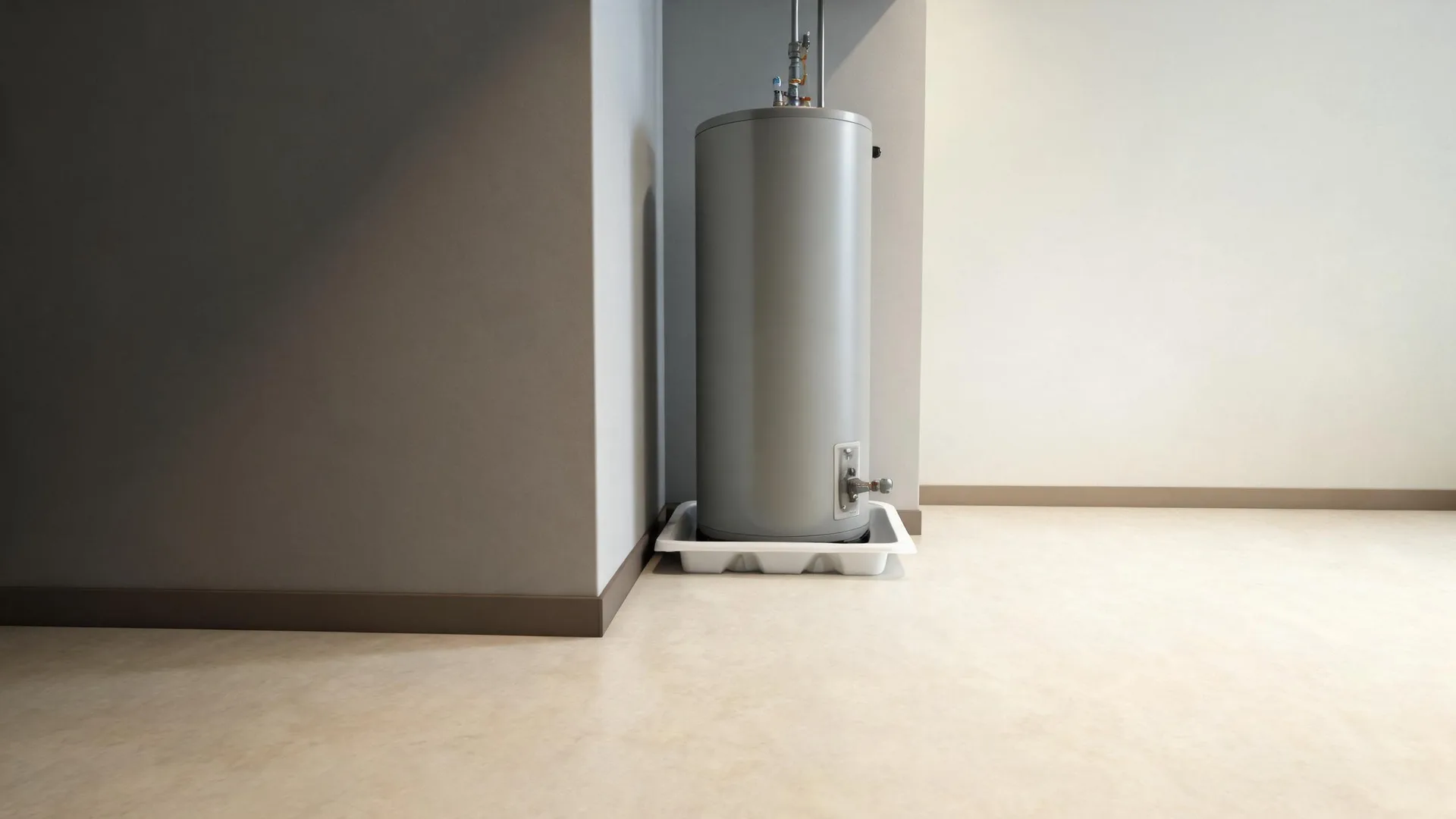
Electric water heaters run on a short list of parts that fail in predictable order: heating elements go before thermostats, thermostats go before the tank itself. Electricity heats more occupied homes in Snohomish County, Washington than any other fuel, at 52.8% (2020-2024 ACS 5-year). That share of homes means a contractor repairing water heaters here works on electric units most days, and reads a no-hot-water call differently than they would on a gas system. The anode rod, the elements, and the high-limit switch each leave their own marks, and an experienced tech checks them in sequence before recommending a new unit.
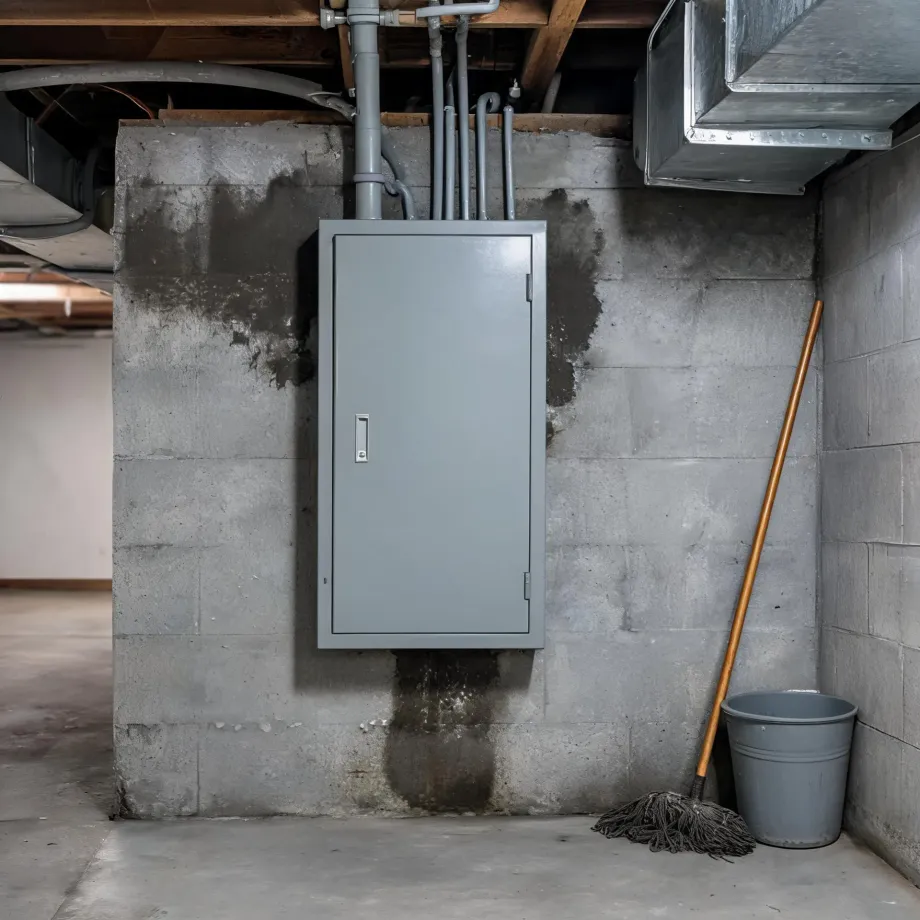
A water heater sitting in housing stock this old has usually outlasted at least one owner's awareness of it. Half the homes in Snohomish County, Washington were built in 1990 or earlier (2020-2024 ACS 5-year). That matters for repair work because what a contractor finds once the unit is open or the connections are pulled reflects years of sediment accumulation, corrosion on fittings that were never replaced, and anode rods that were never serviced. The complaint that brought the call, a leak, a pilot that won't stay lit, water that runs lukewarm, is rarely the only thing a contractor has to price out.
The Parts of a Water Heater a Contractor Checks During a Repair
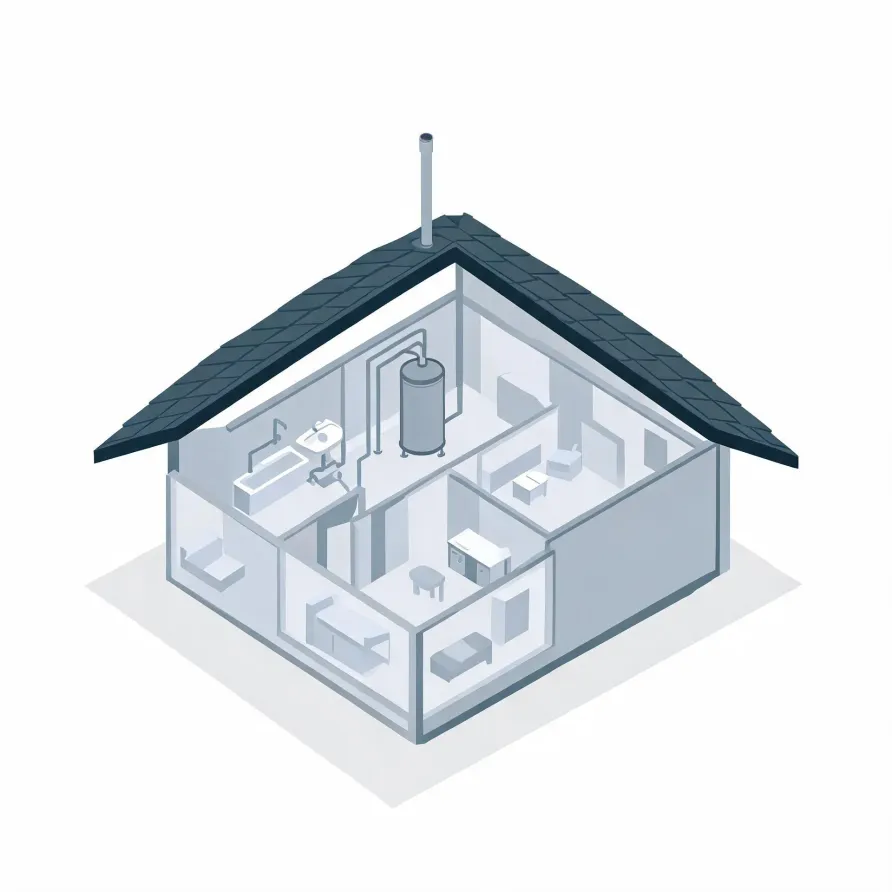
The tank is what most homeowners notice first, a large insulated cylinder that sits in a utility room, basement, or garage and holds the supply of hot water for the house. The burner assembly or heating element lives at the base or interior of the tank and is the piece that does the actual heating. Both are common starting points when something stops working.
The thermostat controls the target temperature and sits against or inside the tank wall. The pressure relief valve mounts near the top and opens if internal pressure climbs too high. Connecting these pieces to the rest of the house are the cold inlet and hot outlet lines, along with the flue or venting pipe that carries combustion gases outside on gas-fired models.
The drawing shows a general layout, and a licensed contractor determines which parts and conditions apply to the specific unit in your home.
Find a contractor in Snohomish CountySnohomish County, by the numbers
Half the homes in Snohomish County, Washington were built in 1990 or earlier (2020-2024 ACS 5-year).
U.S. Census Bureau, 2020-2024 American Community Survey 5-Year EstimatesSnohomish County, Washington holds 331,530 housing units (2020-2024 ACS 5-year).
U.S. Census Bureau, 2020-2024 American Community Survey 5-Year EstimatesOwners occupy 68.2% of the occupied homes in Snohomish County, Washington (2020-2024 ACS 5-year).
U.S. Census Bureau, 2020-2024 American Community Survey 5-Year Estimates