Tell us about the job
Takes about a minute. No obligation.
Electric water heaters run every day regardless of season, but the fuel mix in a county tells a contractor what to expect from the equipment sitting in front of them. Electricity heats more occupied homes in Wahkiakum County, Washington than any other fuel, at 72.7% (2020-2024 ACS 5-year). With electricity doing the work in so many homes here, heating elements and thermostats are what fail most often, and a contractor doing a repair diagnosis starts there. Sediment buildup on an electric element accelerates the failure, and in a house with no gas connection, a failed element leaves the household without hot water entirely until the part is replaced.
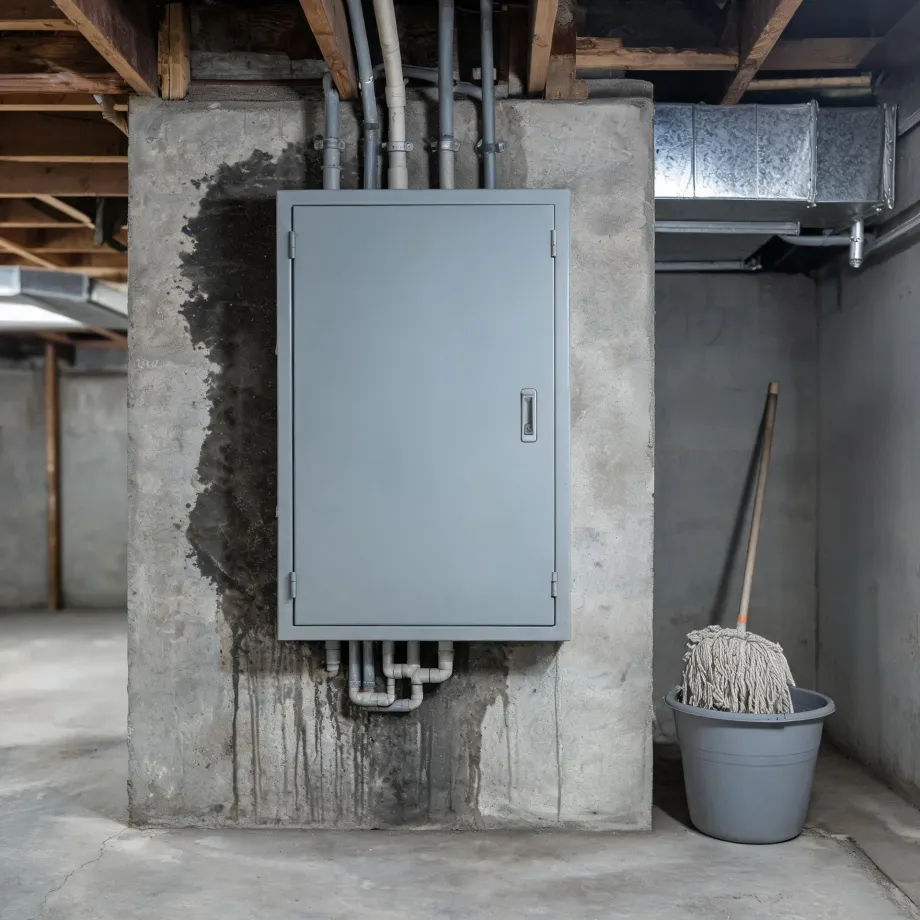
The water heater a contractor opens in Wahkiakum County may share almost nothing with the plumbing the house was originally roughed in for. Half the homes in Wahkiakum County, Washington were built in 1978 or earlier (2020-2024 ACS 5-year). That depth of housing age means a system has likely been replaced or patched more than once, and what the opened unit contains, valves, fittings, controls, can fall into a gap where the original parts are discontinued and the current replacements do not seat cleanly against older supply lines. A contractor working a repair here prices what is actually inside first, then works outward to what the surrounding plumbing will accept.
The Parts of a Water Heater a Contractor Checks During a Repair
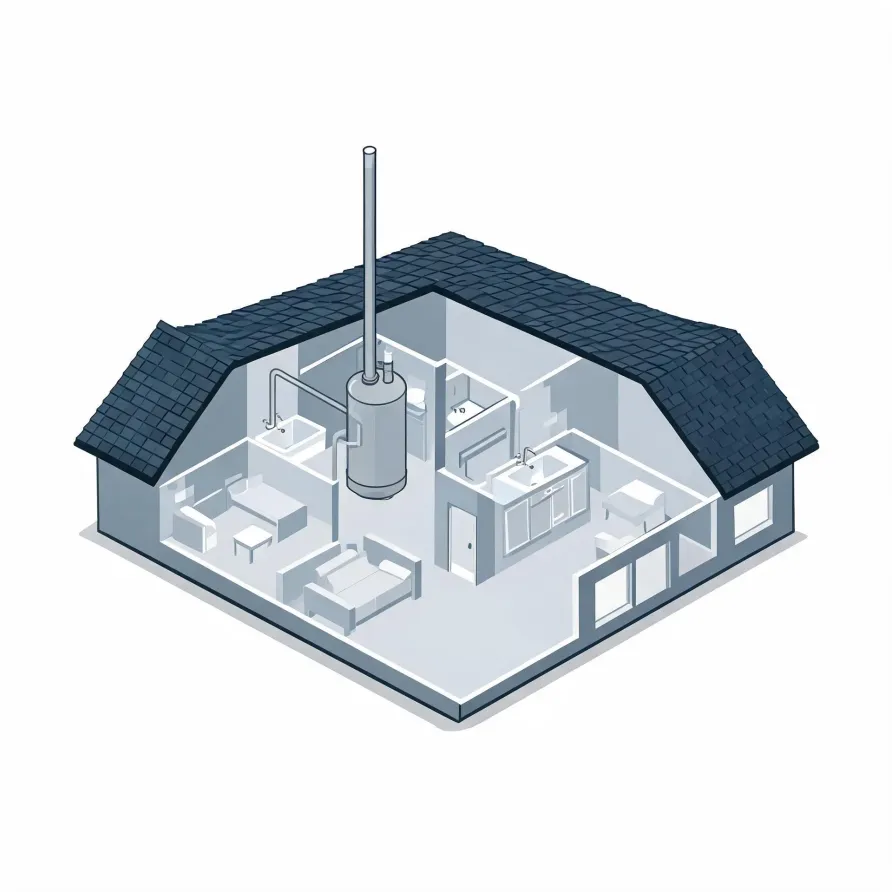
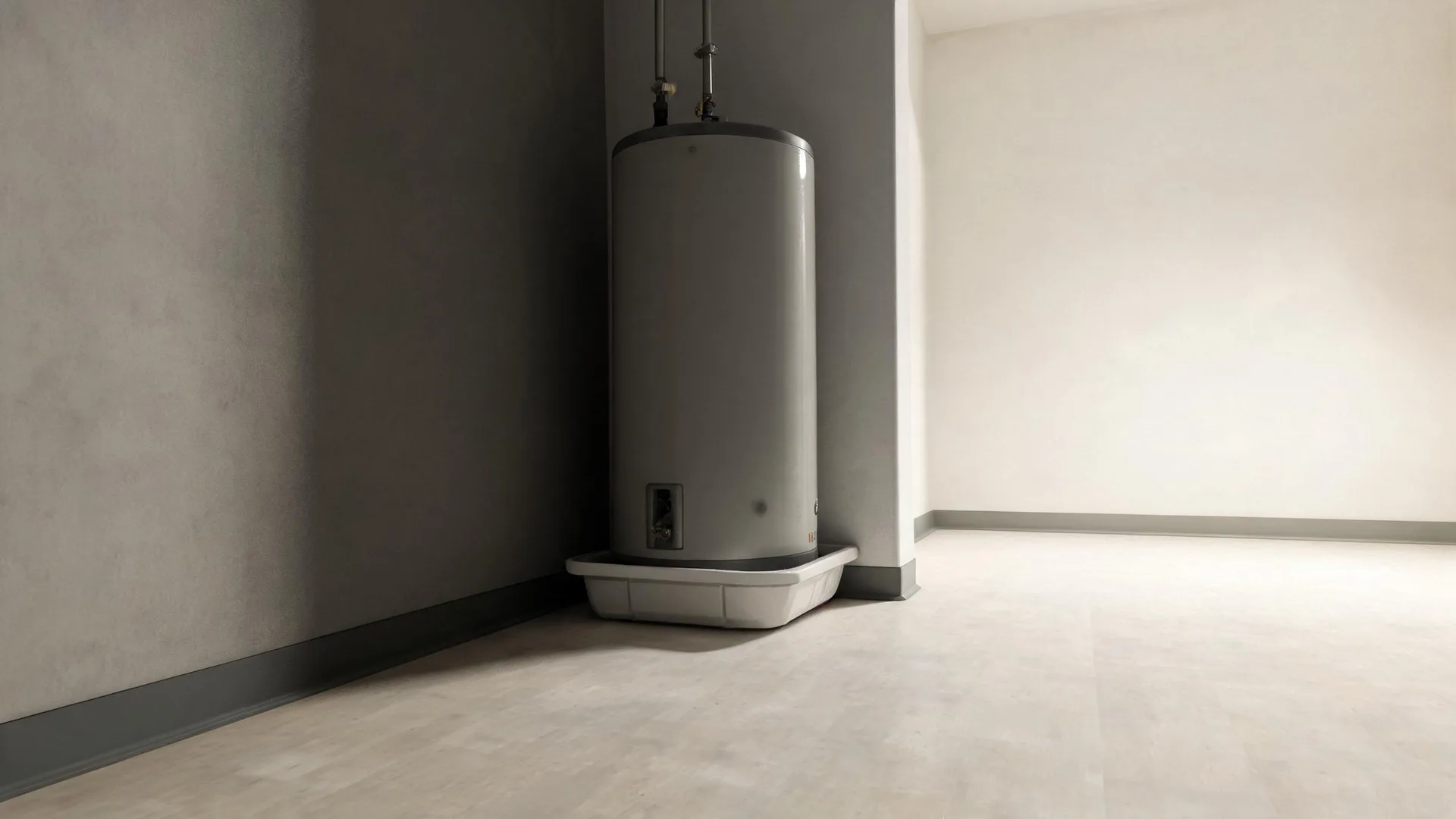
The tank is what most homeowners see: a tall insulated cylinder that sits in a utility room, basement, or garage and holds a supply of heated water ready for use. Attached to its top or side are the inlet and outlet pipes, which bring cold water in and send hot water out. When something feels off about hot water pressure or delivery, these are the first places a contractor looks.
The heating element or burner assembly sits inside or beneath the tank and is what actually raises the water temperature. A gas unit has a burner, a thermocouple, and a gas valve at the base; an electric unit carries one or two heating elements threaded through the tank wall. The pressure relief valve mounts to the side of the tank and opens if internal pressure builds beyond a safe point, making it a priority check on any repair call.
The drawing shows a typical water heater layout, and a licensed contractor determines which parts apply to the specific unit and setup in your home.
Find a contractor in Wahkiakum CountyWahkiakum County, by the record
5 severe weather events were recorded in Wahkiakum County, Washington between 2015 and 2024.
NOAA National Centers for Environmental Information, Storm Events Database, bulk CSV export, events 2015-01-01 through 2024-12-31.Half the homes in Wahkiakum County, Washington were built in 1978 or earlier (2020-2024 ACS 5-year).
U.S. Census Bureau, 2020-2024 American Community Survey 5-Year EstimatesWahkiakum County, Washington holds 2,250 housing units (2020-2024 ACS 5-year).
U.S. Census Bureau, 2020-2024 American Community Survey 5-Year EstimatesOwners occupy 83.2% of the occupied homes in Wahkiakum County, Washington (2020-2024 ACS 5-year).
U.S. Census Bureau, 2020-2024 American Community Survey 5-Year Estimates