Tell us about the job
Takes about a minute. No obligation.
A contractor quoting a water heater installation here starts with the electrical service, not the water heater itself. Electricity heats more occupied homes in Wahkiakum County, Washington than any other fuel, at 72.7% (2020-2024 ACS 5-year). With electricity running the heating system in most homes, the panel is already carrying a significant load, and a new electric water heater draws hard on the same circuits. The installer has to confirm the panel can absorb that demand before the equipment is ever selected, because undersizing the breaker or sharing an overloaded circuit shortens the element's life.
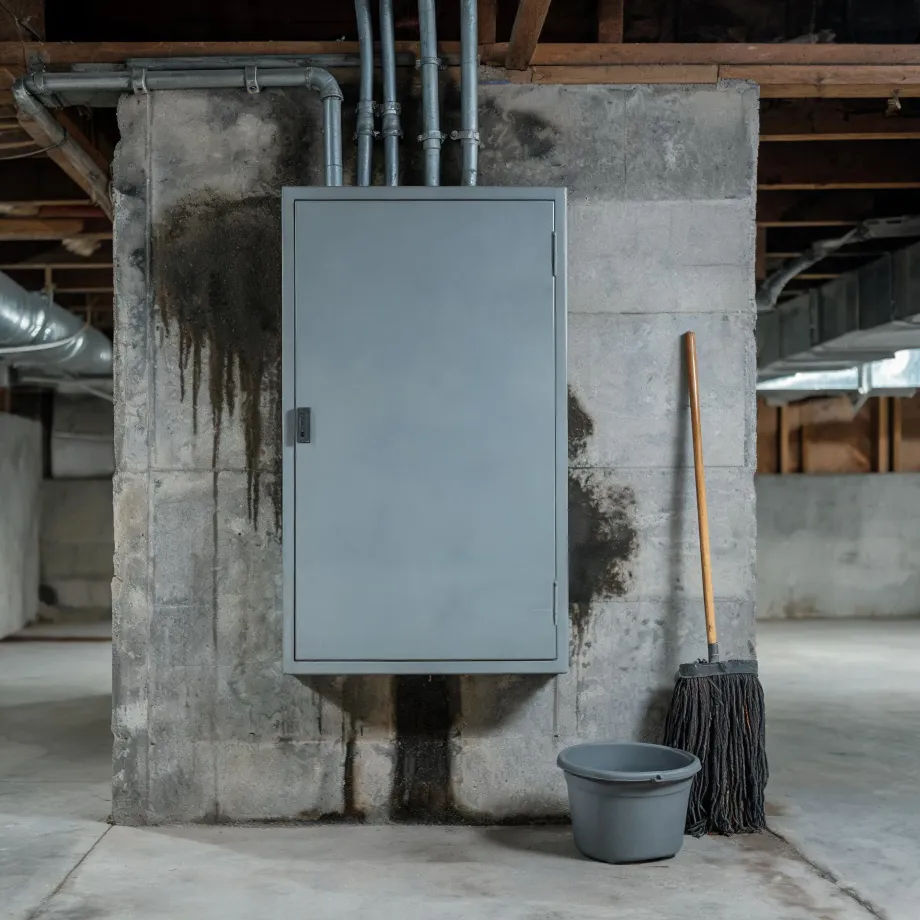
Older electrical service panels are the variable that shapes a water heater install here more than the unit itself. Half the homes in Wahkiakum County, Washington were built in 1978 or earlier (2020-2024 ACS 5-year). A house built in that era was wired around appliances with different load demands than a modern water heater carries, and the panel that made sense then does not always have the headroom a new unit needs. A contractor will open the electrical panel before anything else gets priced, because whether the existing service supports the new load is what the job actually turns on.
What a Water Heater Installation Covers
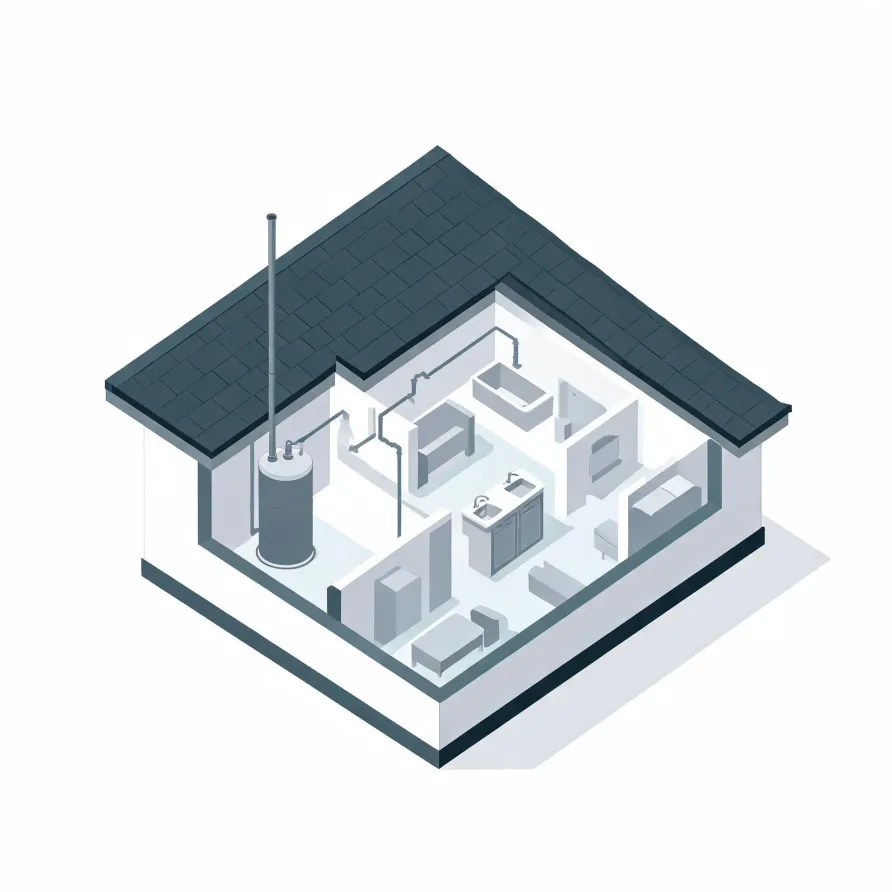
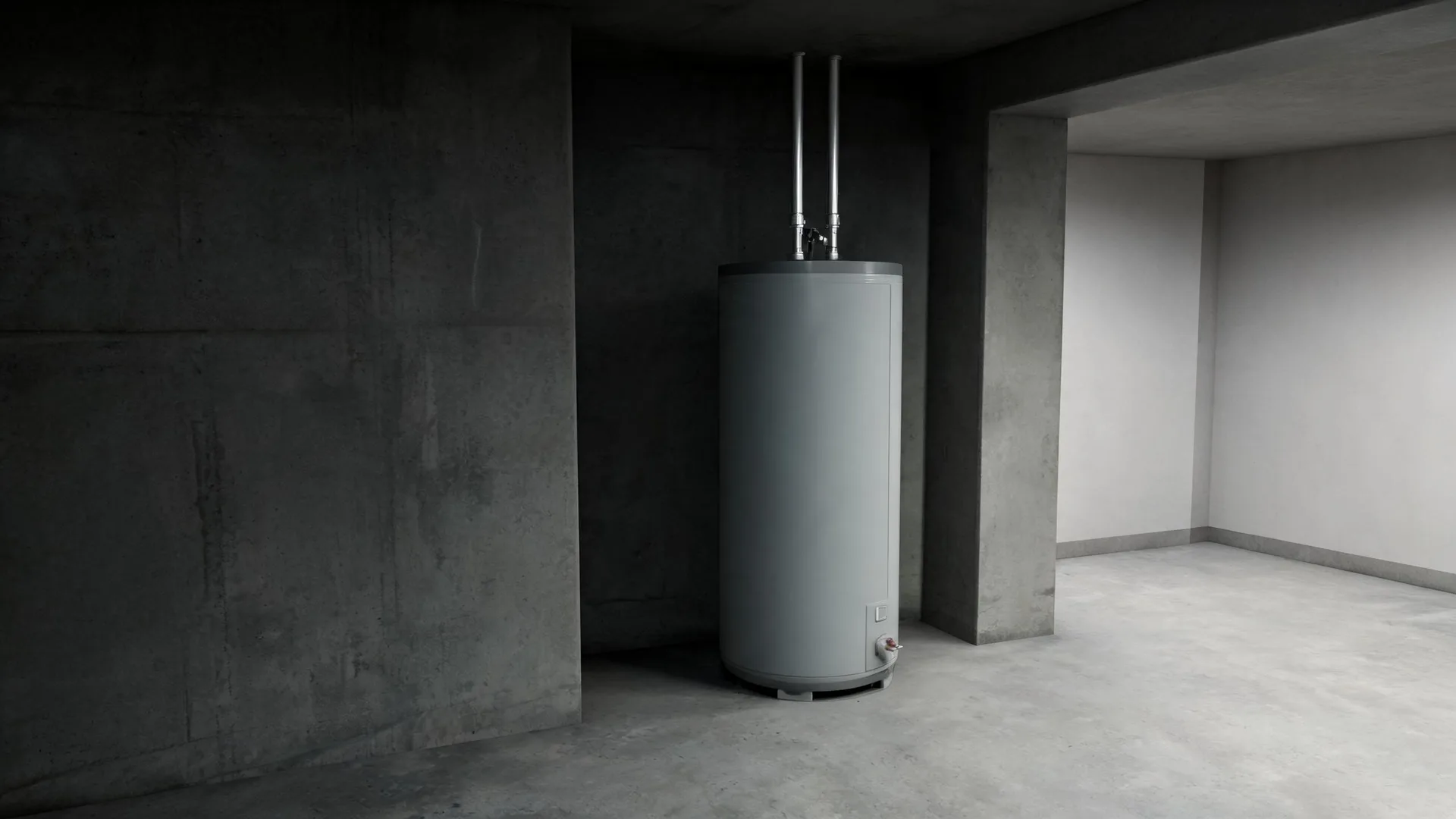
The tank or tankless unit is the centerpiece of the system, sitting in a utility closet, basement, or garage and holding or heating the water your household draws on every day. Attached to it are the inlet and outlet pipes that bring cold water in and carry hot water out to every fixture in the house.
A pressure relief valve mounts directly on the unit and releases pressure if it climbs beyond a safe point. The flue or exhaust vent runs from the unit to an exterior wall or roofline, carrying combustion gases out. A drain pan sits underneath to catch any leaks before they reach the floor.
The drawing shows a typical layout, and a licensed contractor determines what applies to your specific home and its existing setup.
Find a contractor in Wahkiakum CountyWahkiakum County by the Numbers
5 severe weather events were recorded in Wahkiakum County, Washington between 2015 and 2024.
NOAA National Centers for Environmental Information, Storm Events Database, bulk CSV export, events 2015-01-01 through 2024-12-31.Half the homes in Wahkiakum County, Washington were built in 1978 or earlier (2020-2024 ACS 5-year).
U.S. Census Bureau, 2020-2024 American Community Survey 5-Year EstimatesWahkiakum County, Washington holds 2,250 housing units (2020-2024 ACS 5-year).
U.S. Census Bureau, 2020-2024 American Community Survey 5-Year EstimatesOwners occupy 83.2% of the occupied homes in Wahkiakum County, Washington (2020-2024 ACS 5-year).
U.S. Census Bureau, 2020-2024 American Community Survey 5-Year Estimates