Tell us about the job
Takes about a minute. No obligation.
Electricity heats more occupied homes in Yakima County, Washington than any other fuel, at 68.3% (2020-2024 ACS 5-year). That share tells a contractor something concrete before they set foot in the utility room: most homes here already run on electric resistance, which means the service panel, the breaker capacity, and the existing wiring were built around that load. A new electric water heater has to fit what the panel can carry. If the breaker capacity is short, the installer has to price the electrical upgrade alongside the unit, and a quote that skips that step will be wrong.
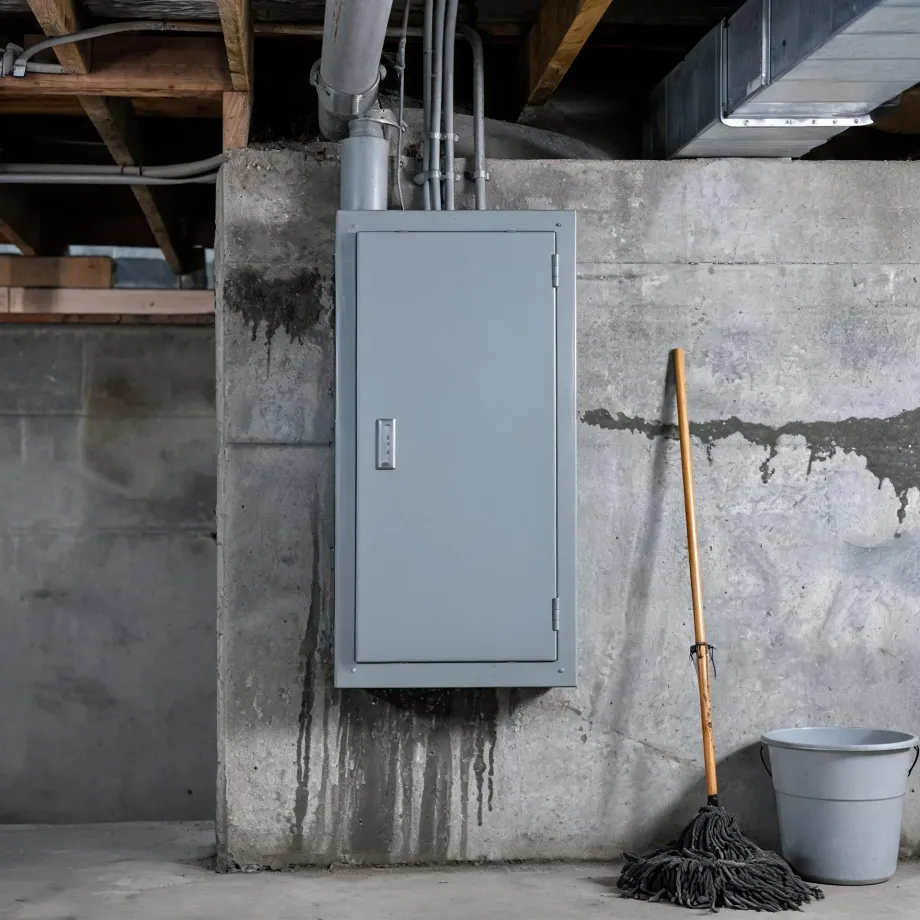
Ductwork and electrical service in a house are sized for whatever was running when the house was built. Half the homes in Yakima County, Washington were built in 1977 or earlier (2020-2024 ACS 5-year). That gap between what the structure was designed for and what a contractor is putting in now is where water heater installations get complicated. A contractor working in stock like this checks what the existing plumbing and panel actually support before anything else, because the house may be carrying assumptions that do not match the new unit's requirements. Some jobs go straightforwardly. Others turn on what the walls already contain.
What a Water Heater Installation Involves
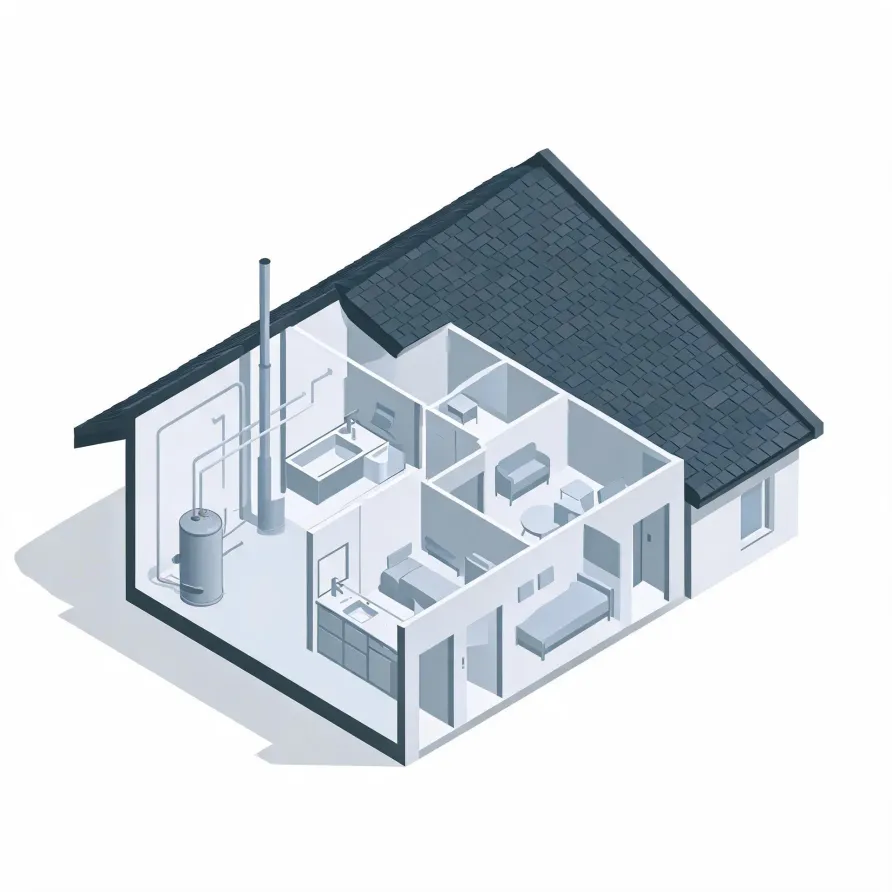
The tank or tankless unit is the heart of the system. A storage tank sits in a utility closet, basement, or garage and holds a reserve of heated water ready for use. A tankless unit mounts to a wall and heats water on demand as it passes through.
The pressure relief valve attaches directly to the tank and releases pressure if it climbs too high. The cold-water inlet and hot-water outlet lines connect the unit to the rest of the house's supply, while the drain valve at the base lets a contractor flush sediment and service the unit over time.
The drawing shows a typical layout, and a licensed contractor determines what applies to your specific home and its existing plumbing and venting configuration.
Find a contractor in Yakima CountyYakima County, by the numbers
84 severe weather events were recorded in Yakima County, Washington between 2015 and 2024.
NOAA National Centers for Environmental Information, Storm Events Database, bulk CSV export, events 2015-01-01 through 2024-12-31.Half the homes in Yakima County, Washington were built in 1977 or earlier (2020-2024 ACS 5-year).
U.S. Census Bureau, 2020-2024 American Community Survey 5-Year EstimatesYakima County, Washington holds 92,432 housing units (2020-2024 ACS 5-year).
U.S. Census Bureau, 2020-2024 American Community Survey 5-Year EstimatesOwners occupy 61.8% of the occupied homes in Yakima County, Washington (2020-2024 ACS 5-year).
U.S. Census Bureau, 2020-2024 American Community Survey 5-Year EstimatesSevere Weather Events in Yakima County
Water heaters work harder when outdoor conditions swing hard, and those swings are not the same in every part of Washington. How often Yakima County sees severe weather shapes how much stress local water heaters carry, which makes it a relevant part of sizing and installing equipment here.
84 severe weather events, 2015–2024. Source: NOAA National Centers for Environmental Information, Storm Events Database.