Tell us about the job
Takes about a minute. No obligation.
A contractor quoting a gas water heater replacement in Spokane County starts with the venting run and the combustion air supply before they price a unit. Utility gas heats more occupied homes in Spokane County, Washington than any other fuel, at 49.7% (2020-2024 ACS 5-year). That share of the housing stock means most existing installations were built around gas from the beginning, so the flue size, draft hood, and gas line diameter are already in place. A replacement that does not match those conditions requires modifications a homeowner does not always see on an initial quote, and the cost of those modifications can change the job significantly.
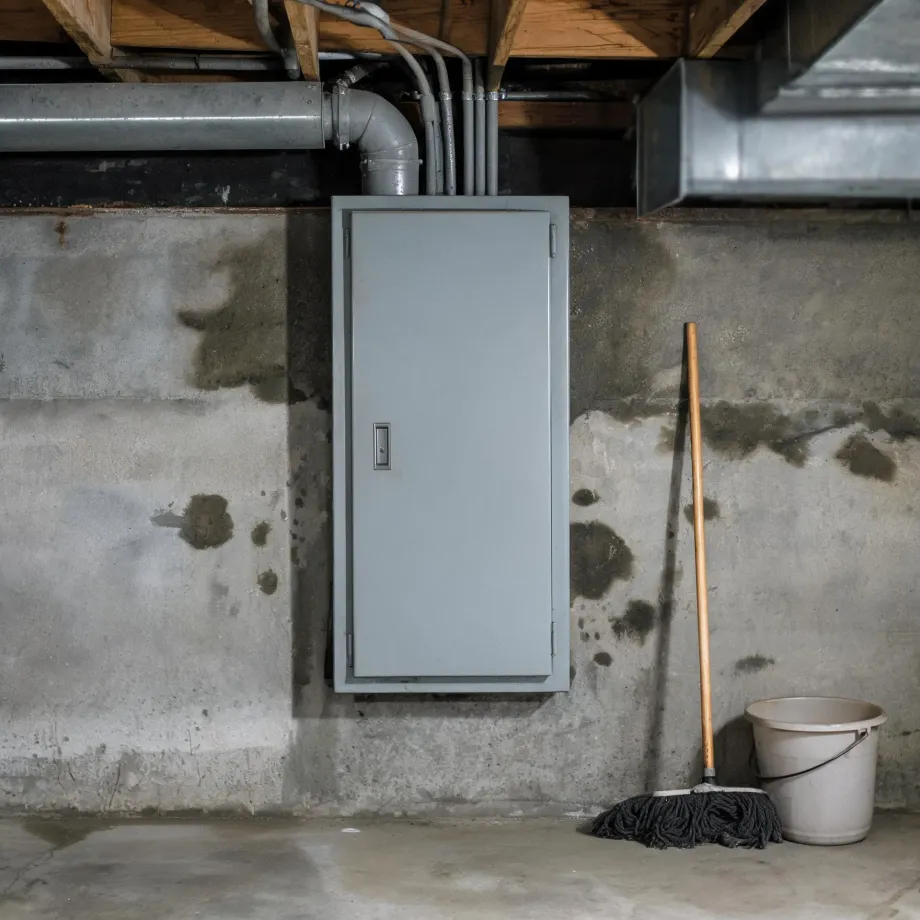
Electrical service is where many water heater installations in Spokane County hit their first real constraint. Half the homes in Spokane County, Washington were built in 1978 or earlier (2020-2024 ACS 5-year). Houses built in that era were wired for equipment with lower draw requirements than what a contractor installs today, and the panel that was adequate then may not be. A contractor pricing a water heater replacement will open the electrical panel before quoting the unit, because what that panel actually holds determines whether the job is a straightforward swap or involves an electrician first.
What a Water Heater Installation Involves
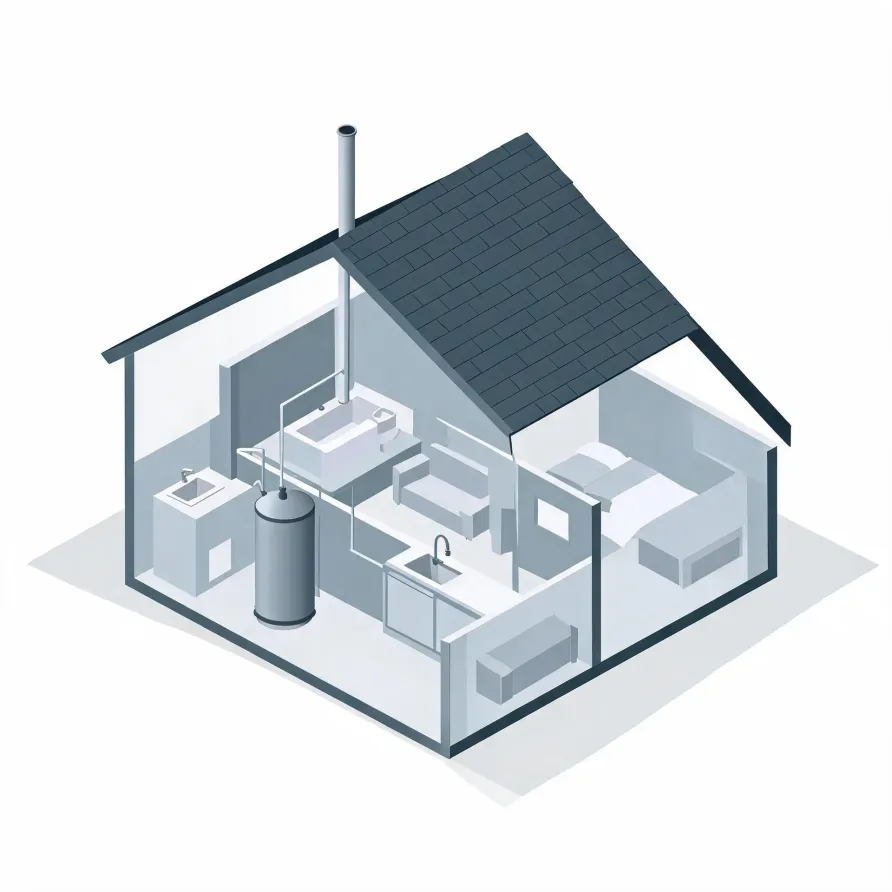
The tank or tankless unit is the heart of the system. A storage-tank water heater sits in a utility room, basement, or garage and holds a ready supply of heated water. A tankless unit mounts to a wall and heats water only when a tap opens.
The cold-water supply line feeds into the unit, and a separate hot-water line carries heated water out to every fixture in the house. A pressure-relief valve mounts directly on the tank as a safety device, and the flue or venting pipe runs from the unit to an exterior wall or the roof to carry combustion gases out.
The drawing shows the general layout of these components, and a licensed contractor determines exactly what the work involves in your particular house.
Find a contractor in Spokane CountySpokane County, by the numbers
663 severe weather events were recorded in Spokane County, Washington between 2015 and 2024.
NOAA National Centers for Environmental Information, Storm Events Database, bulk CSV export, events 2015-01-01 through 2024-12-31.Half the homes in Spokane County, Washington were built in 1978 or earlier (2020-2024 ACS 5-year).
U.S. Census Bureau, 2020-2024 American Community Survey 5-Year EstimatesSpokane County, Washington holds 231,205 housing units (2020-2024 ACS 5-year).
U.S. Census Bureau, 2020-2024 American Community Survey 5-Year EstimatesOwners occupy 64.5% of the occupied homes in Spokane County, Washington (2020-2024 ACS 5-year).
U.S. Census Bureau, 2020-2024 American Community Survey 5-Year EstimatesSevere Weather Events in Spokane County
Extreme weather puts water heaters under real strain, and the demands on a unit in Spokane County differ from those in milder parts of the state. A contractor sizing and installing equipment here works from local conditions, not a national average.
663 severe weather events, 2015–2024. Source: NOAA National Centers for Environmental Information, Storm Events Database.