Tell us about the job
Takes about a minute. No obligation.
Electricity heats more occupied homes in Whitman County, Washington than any other fuel, at 56.9% (2020-2024 ACS 5-year). That share tells a contractor something specific before they pull a permit: the service panel in most homes here is already carrying water heating on electricity, which means a replacement unit has to fit what the panel can actually supply. Electric water heaters draw a fixed, sustained load, and a panel that was wired for an older resistance tank may not have the capacity headroom a heat pump water heater needs. The contractor checks amperage and breaker size before the new unit goes in.
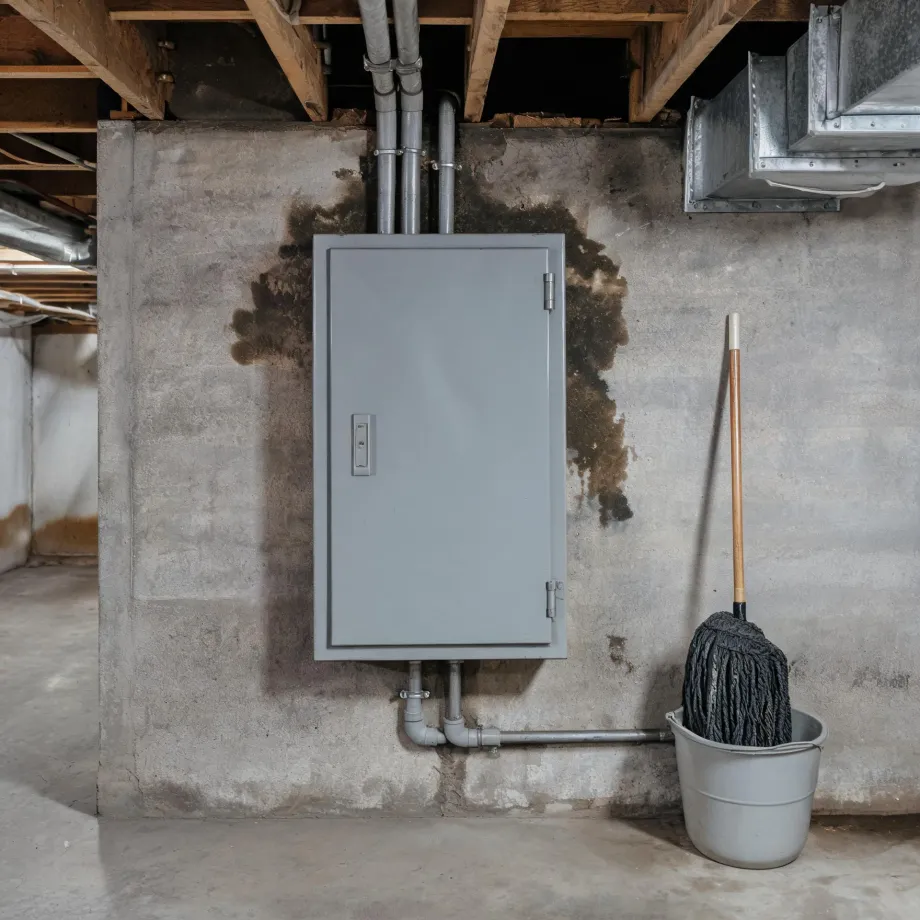
Ductwork and electrical service sized for equipment that has long since been replaced set the terms for what a new water heater installation actually requires in this county. Half the homes in Whitman County, Washington were built in 1977 or earlier (2020-2024 ACS 5-year). That depth of history in the housing means a contractor working on a water heater here is checking whether existing connections, venting runs, and service capacity can carry what the new unit demands, before the unit itself is even priced. Where they cannot, the scope of the job expands beyond the appliance.
What a Water Heater Installation Covers
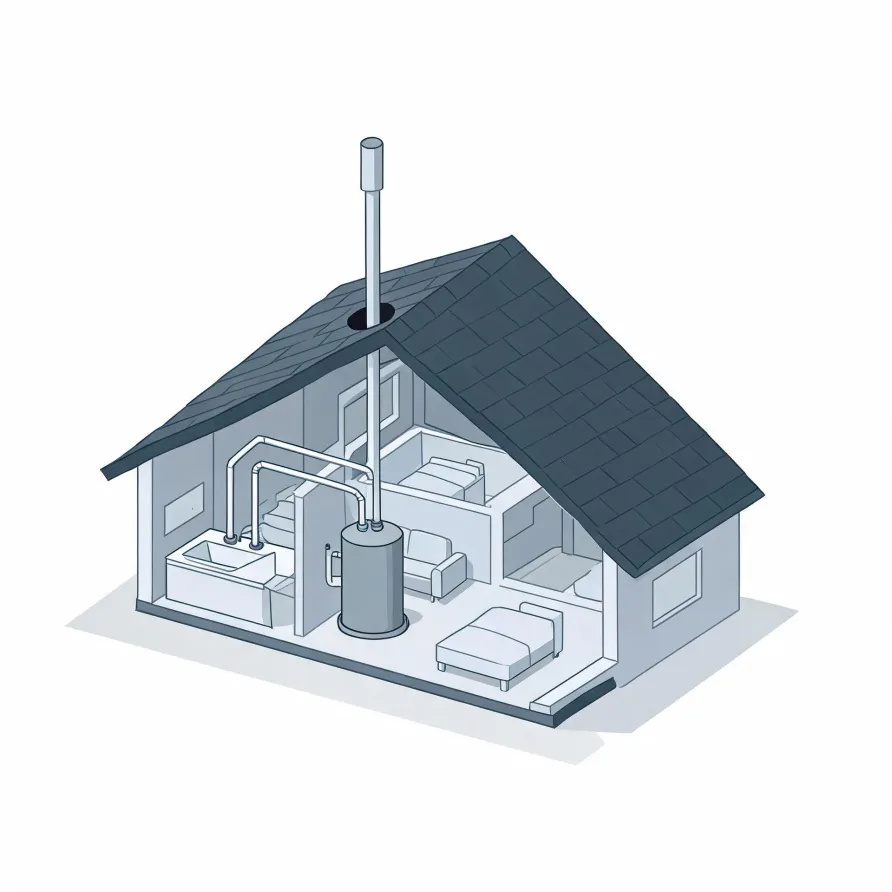
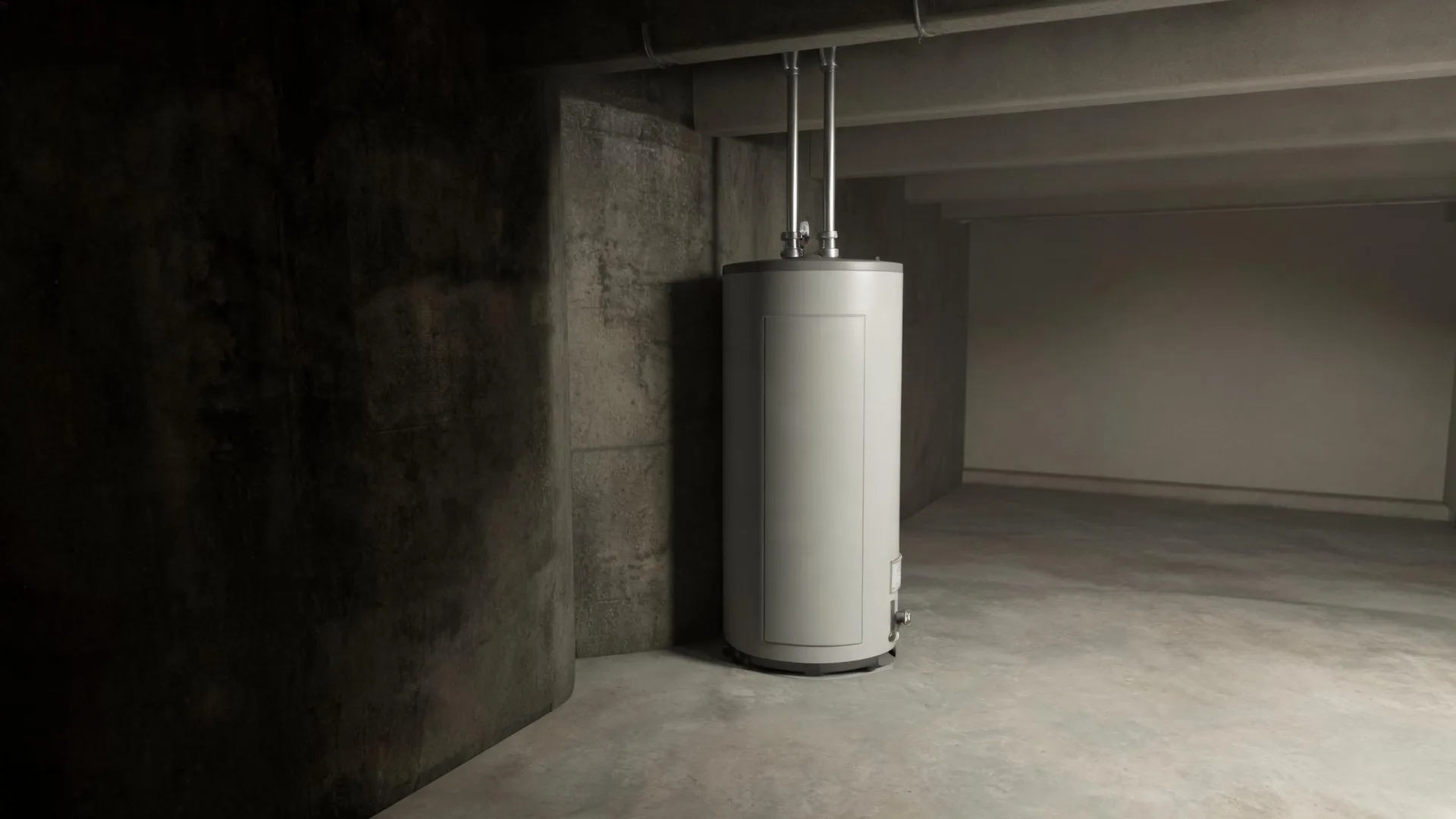
The tank or tankless unit is the core of the system. A storage-tank unit sits in a utility closet, basement, or garage and holds a ready supply of hot water. A tankless unit mounts on a wall and heats water on demand as it passes through.
The cold-water supply line feeds into the unit, and the hot-water outlet line carries heated water to every fixture in the house. A pressure-relief valve sits on the side of the unit as a safety device, and the flue or exhaust vent runs from the top of a gas unit to the outside of the house.
The drawing shows a typical layout, and a licensed contractor determines what applies to your specific home.
Find a contractor in Whitman CountyWhitman County, by the numbers
90 severe weather events were recorded in Whitman County, Washington between 2015 and 2024.
NOAA National Centers for Environmental Information, Storm Events Database, bulk CSV export, events 2015-01-01 through 2024-12-31.Half the homes in Whitman County, Washington were built in 1977 or earlier (2020-2024 ACS 5-year).
U.S. Census Bureau, 2020-2024 American Community Survey 5-Year EstimatesWhitman County, Washington holds 22,091 housing units (2020-2024 ACS 5-year).
U.S. Census Bureau, 2020-2024 American Community Survey 5-Year EstimatesOwners occupy 46.8% of the occupied homes in Whitman County, Washington (2020-2024 ACS 5-year).
U.S. Census Bureau, 2020-2024 American Community Survey 5-Year EstimatesSevere Weather Events in Whitman County
Whitman County's climate puts real demands on water heating equipment, and those demands shift with how hard each year hits. Understanding local weather patterns is part of sizing and installing a system that holds up over time.
90 severe weather events, 2015–2024. Source: NOAA National Centers for Environmental Information, Storm Events Database.