Tell us about the job
Takes about a minute. No obligation.
Electric water heaters dominate Kitsap County homes, so when a unit fails, the replacement path is clear in one respect and still has real decisions inside it. Electricity heats more occupied homes in Kitsap County, Washington than any other fuel, at 60.1% (2020-2024 ACS 5-year). A contractor sizing a new electric unit reads the household's actual draw pattern, not just the old tank's label capacity, because an undersized heater runs its elements hard and wears them faster. Getting that load calculation right at installation is what sets how the unit performs over its service life.
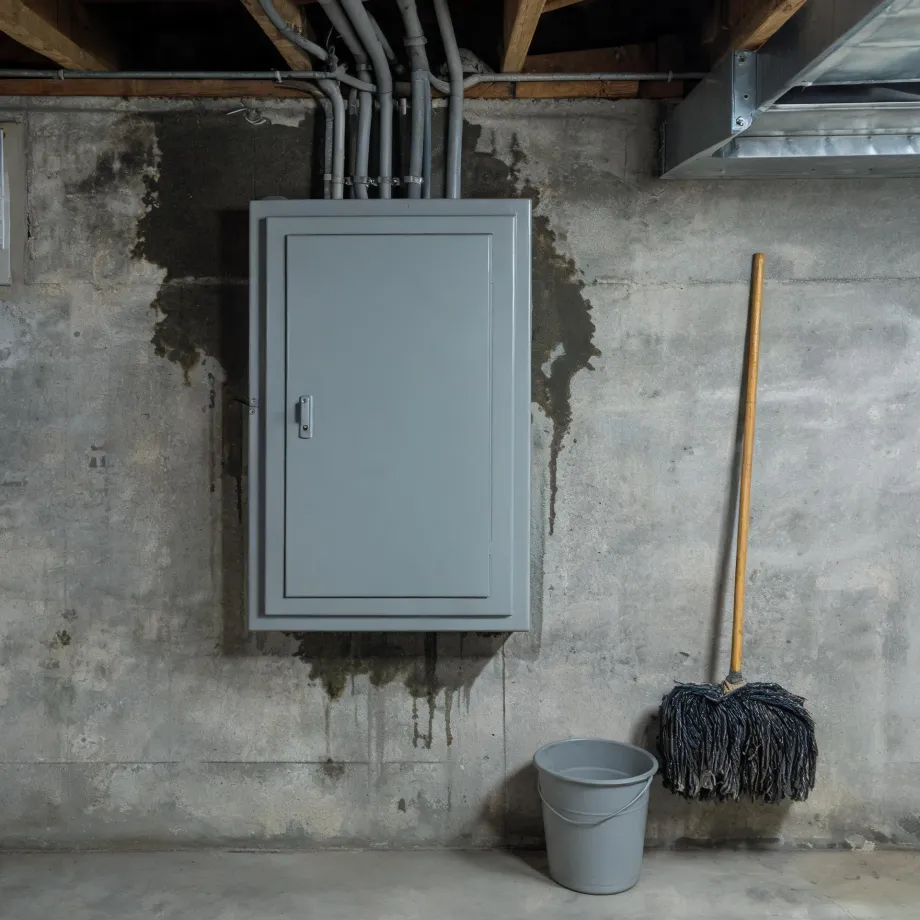
Service panels in a large share of Kitsap County homes were sized for loads that modern water heaters draw more from than the original wiring was planned to carry. Half the homes in Kitsap County, Washington were built in 1986 or earlier (2020-2024 ACS 5-year). That gap between what the house was wired for and what a new unit pulls is where the installation work actually lives. A contractor pricing a water heater replacement here has to read the panel before the quote means anything, because a heater that fits the space may not fit the electrical.
What a Water Heater Installation Covers
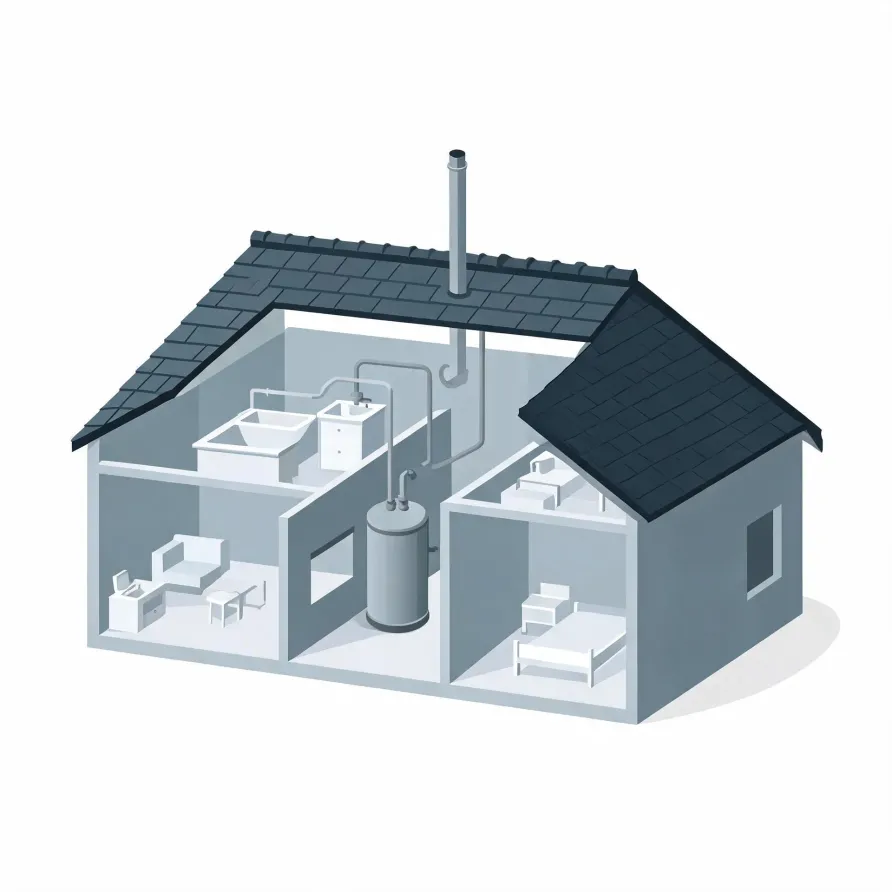
The storage tank is the piece a homeowner sees first, sitting in a utility closet, basement, or garage. It holds the water supply and contains the heating element or burner assembly that brings water up to temperature. A pressure relief valve mounts on the side of the tank as a safety device.
The cold water inlet line and hot water outlet line connect the tank to the rest of the house plumbing. A drain valve sits near the base of the tank. Where gas is the fuel source, a gas supply line and flue pipe also tie into the unit, with the flue running up and out of the house.
The drawing shows a typical layout, and a licensed contractor determines exactly what applies to your house.
Find a contractor in Kitsap CountyKitsap County, by the numbers
1 severe weather event was recorded in Kitsap County, Washington between 2015 and 2024.
NOAA National Centers for Environmental Information, Storm Events Database, bulk CSV export, events 2015-01-01 through 2024-12-31.Half the homes in Kitsap County, Washington were built in 1986 or earlier (2020-2024 ACS 5-year).
U.S. Census Bureau, 2020-2024 American Community Survey 5-Year EstimatesKitsap County, Washington holds 116,970 housing units (2020-2024 ACS 5-year).
U.S. Census Bureau, 2020-2024 American Community Survey 5-Year EstimatesOwners occupy 70.1% of the occupied homes in Kitsap County, Washington (2020-2024 ACS 5-year).
U.S. Census Bureau, 2020-2024 American Community Survey 5-Year Estimates