Why your water heater is slow to recover in Washington

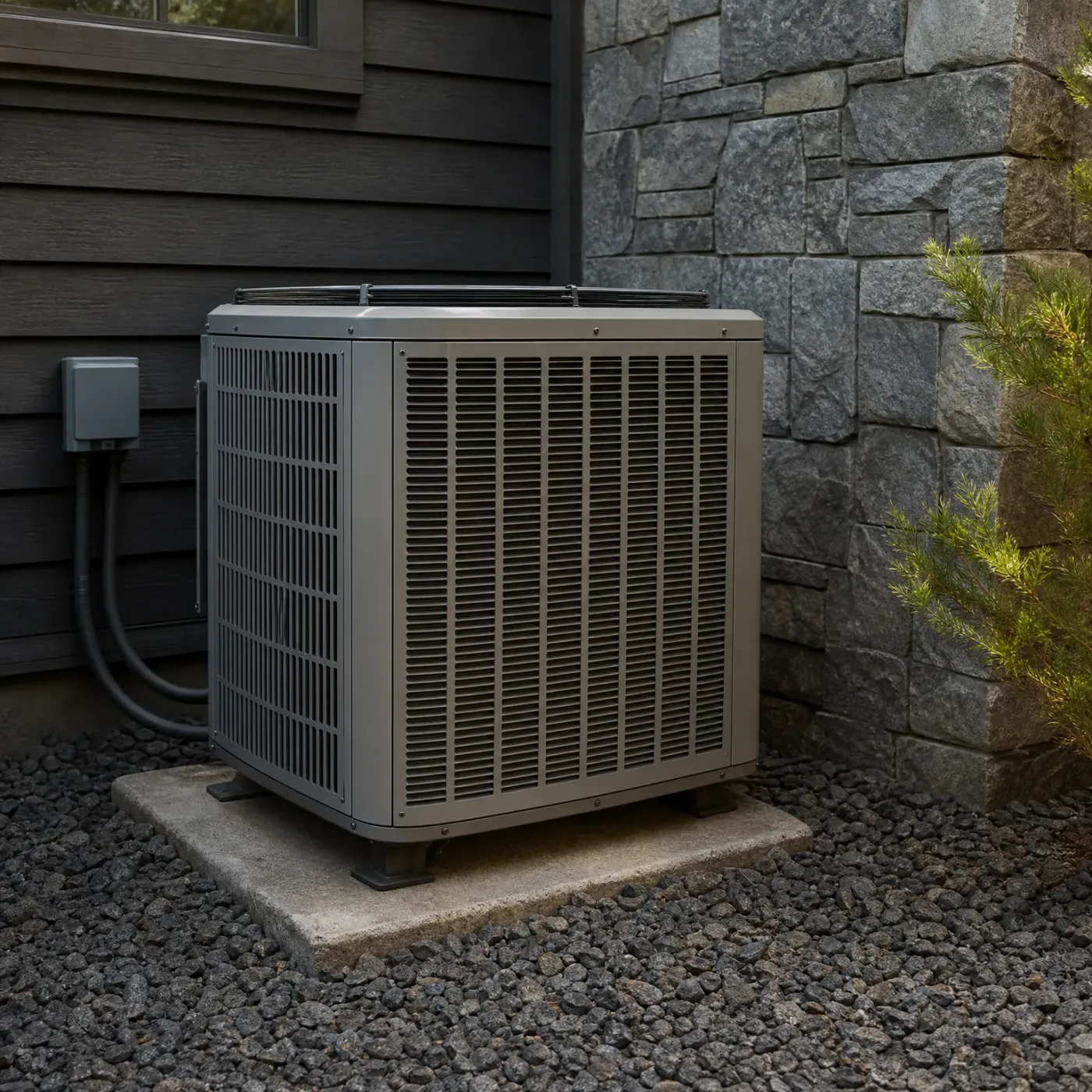
A gray cylindrical water heater with two access panels, a brass side valve, a bottom drain valve, and a metal vent cap on top, photographed against a plain light background.
Find a pro near me

Why is my water heater taking so long to heat up again?

You hop in the shower after someone else in the house just finished, or you run a sink full of hot water for dishes, and the water heater can't keep up. It worked fine when the house was new to you. Now it seems to lag behind, leaving you waiting on hot water that used to be there right away. With most homes in Washington running electric water heaters, this kind of slowdown usually points to something specific going on inside the tank.

A failing lower heating element is the usual cause

Electric water heaters use two elements, one near the top of the tank and one near the bottom. The lower element does most of the work heating the bulk of the water, so when it weakens or fails, the tank only partly heats and recovery between uses gets slow. Since most homes in Washington run on electric water heaters, this is the most common reason for a slow recovery here. Sediment buildup on that lower element can cause the same lag, insulating it from the water it's supposed to heat. Either way, the tank is working harder and slower to do what it used to do quickly, and that strain tends to get worse rather than correct itself.

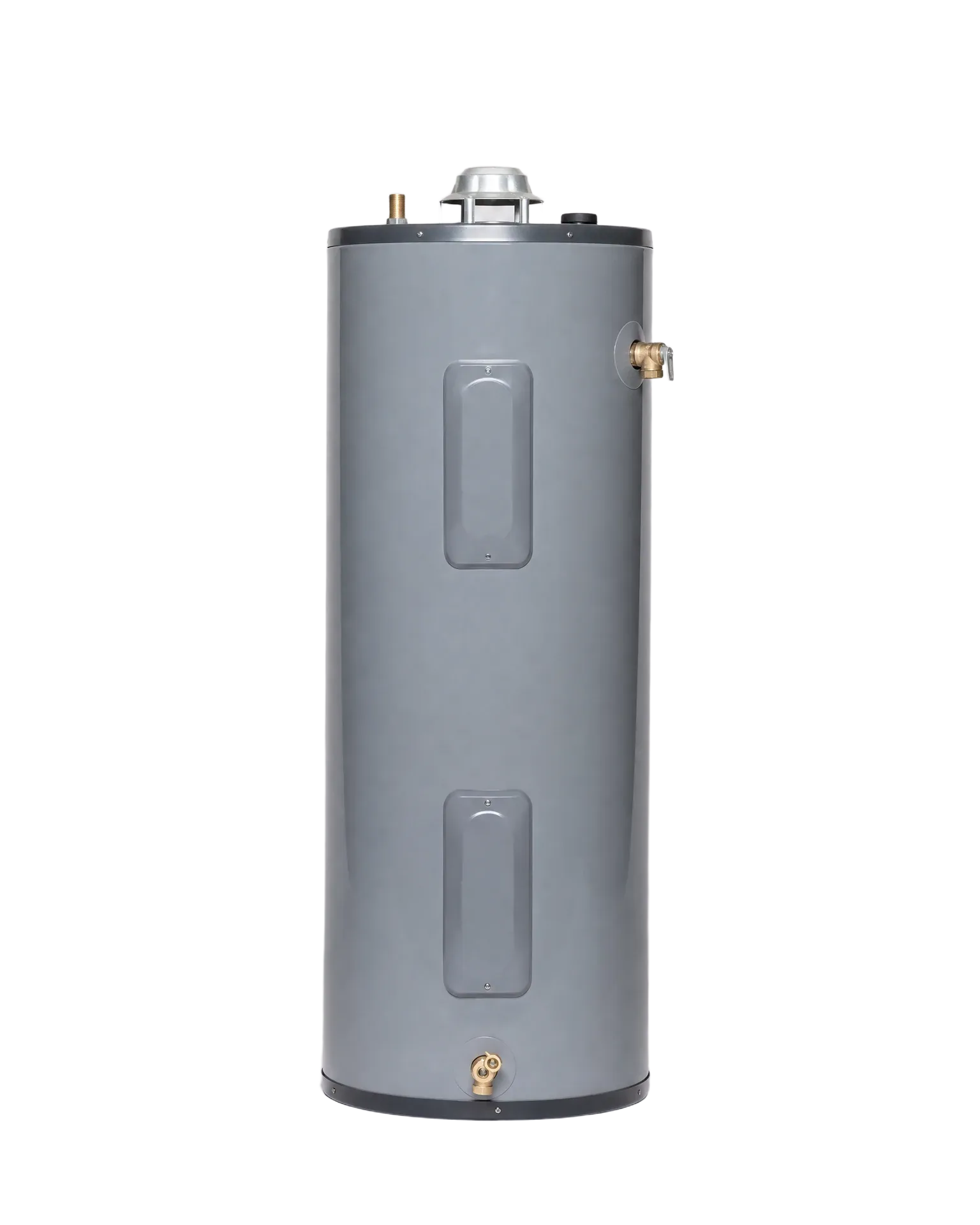
A white cylindrical water heater with two dark access panels stands on a concrete basement floor against a concrete block wall, with copper pipes, a flue duct above, and sheet metal ductwork at right.

Recovering the way it should

A water heater in good shape brings a full tank back up to temperature on a predictable schedule, even with an electric system working off two heating elements. The connections stay tight, the tank holds pressure, and hot water comes back within an hour or so of a big draw.

A white cylindrical water heater with copper piping and a gas control valve stands against a stained concrete basement wall on a bare concrete floor.

Recovering slower every month

Rust on the tank and corroded wiring connections are signs the elements underneath are working harder to do the same job. Sediment can build on the bottom of an electric tank over the years and the lower element has to heat through it. That's often what turns a thirty minute recovery into an hour or more.

A gray-haired man in a dark sweater sits on a light gray sofa in a living room, looking toward a sunlit window with trees outside.
A gray-haired man in a dark blue sweater sits on a light gray sofa in a sunlit living room, looking off to the side, with a potted plant, shelving unit, and large glass doors behind him.
A bearded man with graying hair in a dark green sweater sits on a sofa in a living room, looking off to the side, with a sliding glass door and a dim kitchen doorway behind him.
A gray-haired man in a dark knit sweater sits on a light gray sofa in a living room, looking toward a sunlit window, with houseplants, a lamp, and framed art in the background.

How electric water heaters recover

  • Most electric water heaters use two elements, an upper and a lower, and they don't run at the same time.
  • The upper element heats the top of the tank first, then shuts off so the lower element can finish the rest.
  • A thermostat on each element controls when it switches on, and if one thermostat fails the other element has to do the whole job alone.
  • A bad lower element is the one that shows up as slow recovery, since it's the one responsible for heating most of the tank.
  • Sediment settling on the bottom of the tank sits right on top of the lower element and makes it work through a layer of grit before it reaches the water.
  • A failing element can still draw power and feel warm to the touch while barely raising the water temperature at all.

An electric water heater splits the work between two elements instead of running one burner the whole time, the way gas does. The upper element fires first, since it only has to heat the top section of the tank before the thermostat above it clicks off. Once that happens, control passes to the lower element, and that one has the bigger job, bringing the rest of the tank up to temperature before the next draw starts pulling hot water out the top. Each element answers to its own thermostat, so the system depends on both switching at the right point. If the upper thermostat fails, the lower element ends up carrying the full tank by itself, and recovery slows down even though nothing looks obviously broken. Sediment adds to the problem in a specific spot. It settles on the tank floor, right where the lower element sits, and the element has to push heat through that layer before it ever reaches the water above it. None of this always shows up as a dead element. A lower element can still pull a normal amount of power and feel warm if you touched it, while barely moving the water temperature at all. That's the part a homeowner usually can't see from outside the tank, and it's why slow recovery doesn't always mean the same thing twice.

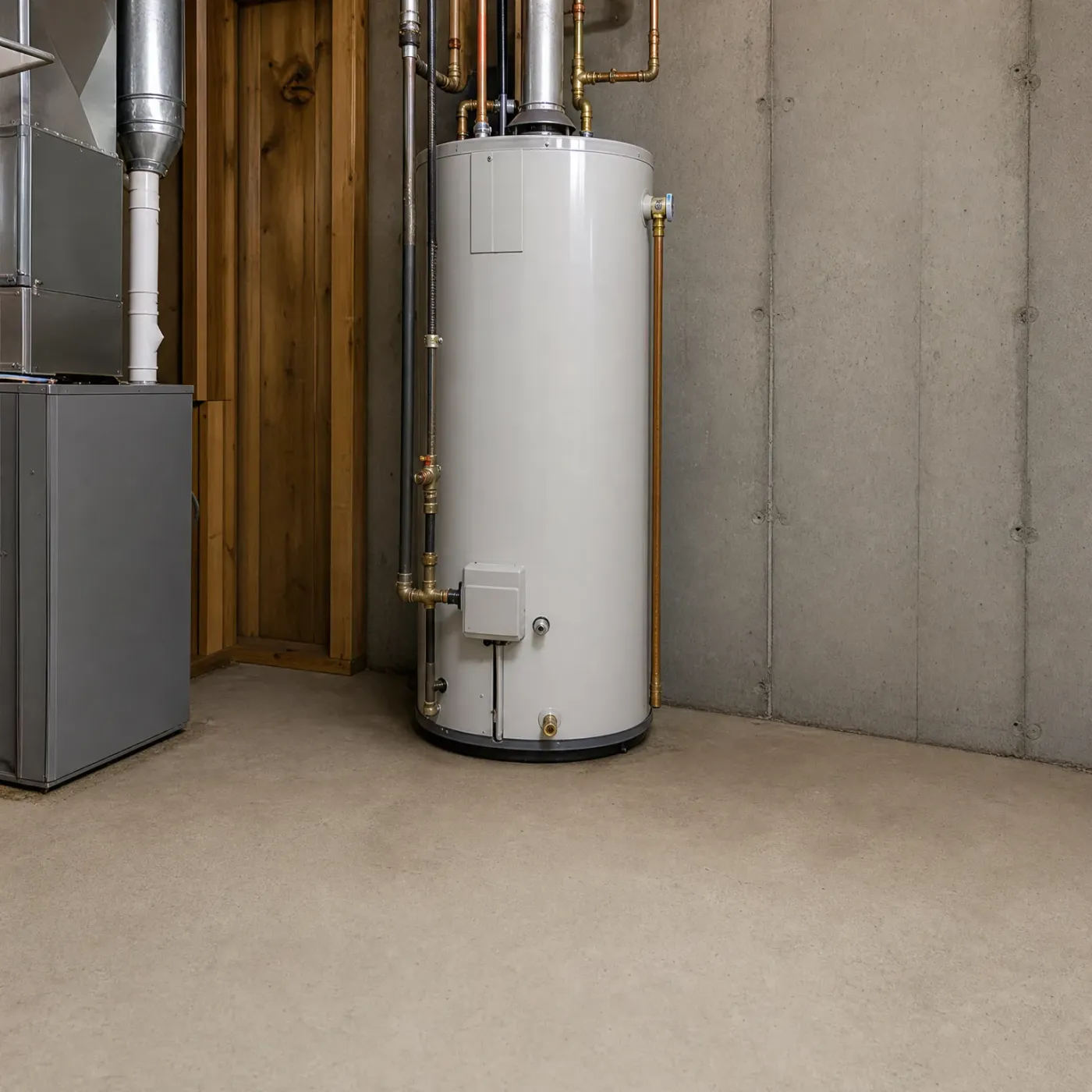
A white cylindrical gas water heater with copper and steel pipes stands against a concrete basement wall beside a gray furnace and wood-paneled wall.
A gas water heater working as it should sits level and dry, with the copper fittings tight and no scale built up around the base.
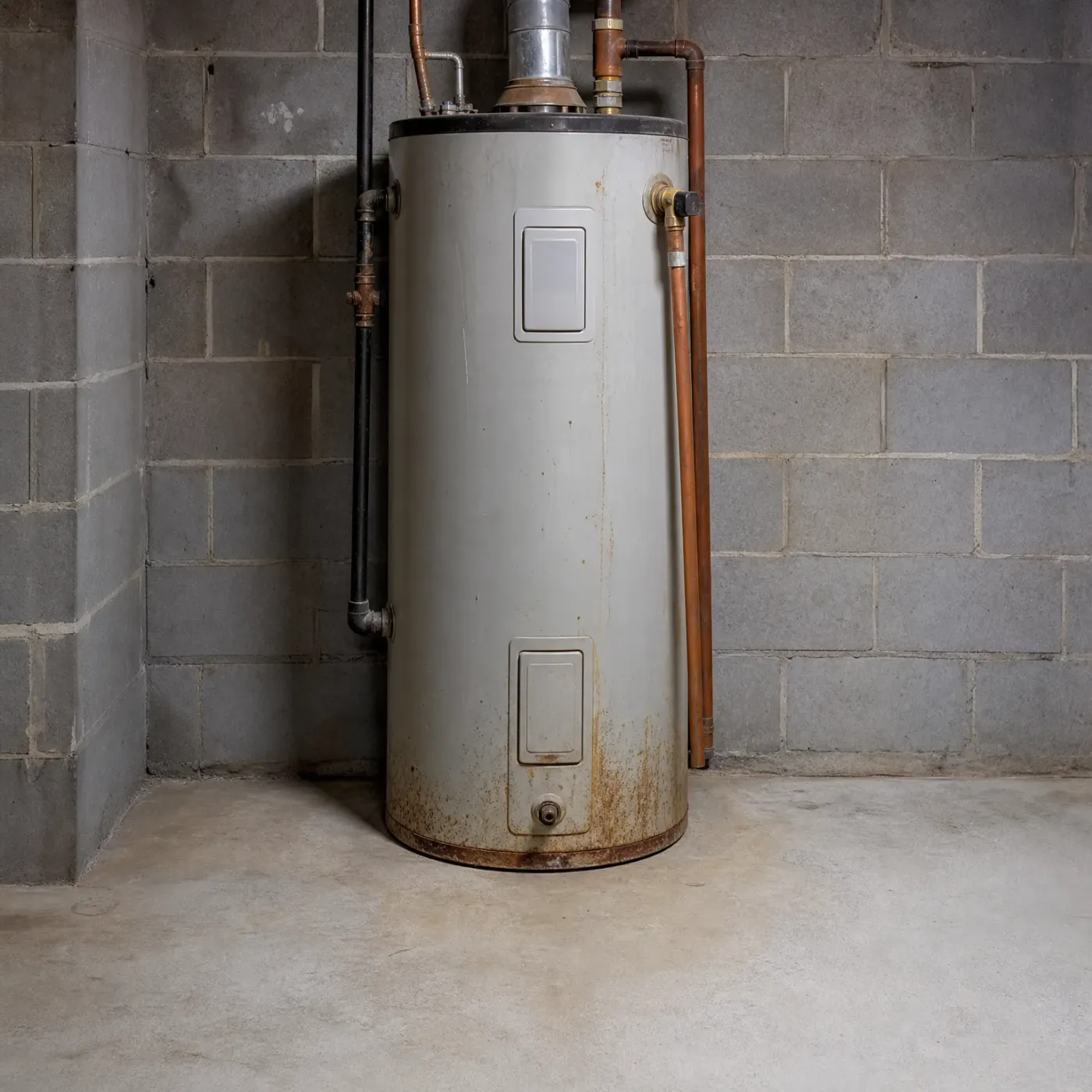
A rust-streaked cylindrical water heater with copper and black metal pipes stands in a concrete-block basement corner on a bare concrete floor.
Rust climbing the seams and tank base like this means the steel is failing underneath, and heating elements can't make up for that.
A middle-aged woman with shoulder-length dark hair, wearing a gray cardigan over a cream top, sits in an upholstered armchair and looks toward a sunlit window, with a shelf holding framed pictures and a plant behind her.
A woman and a child wrapped together in a knitted gray blanket on a couch, with the child's head resting on her shoulder and a lit table lamp and houseplant in the background.
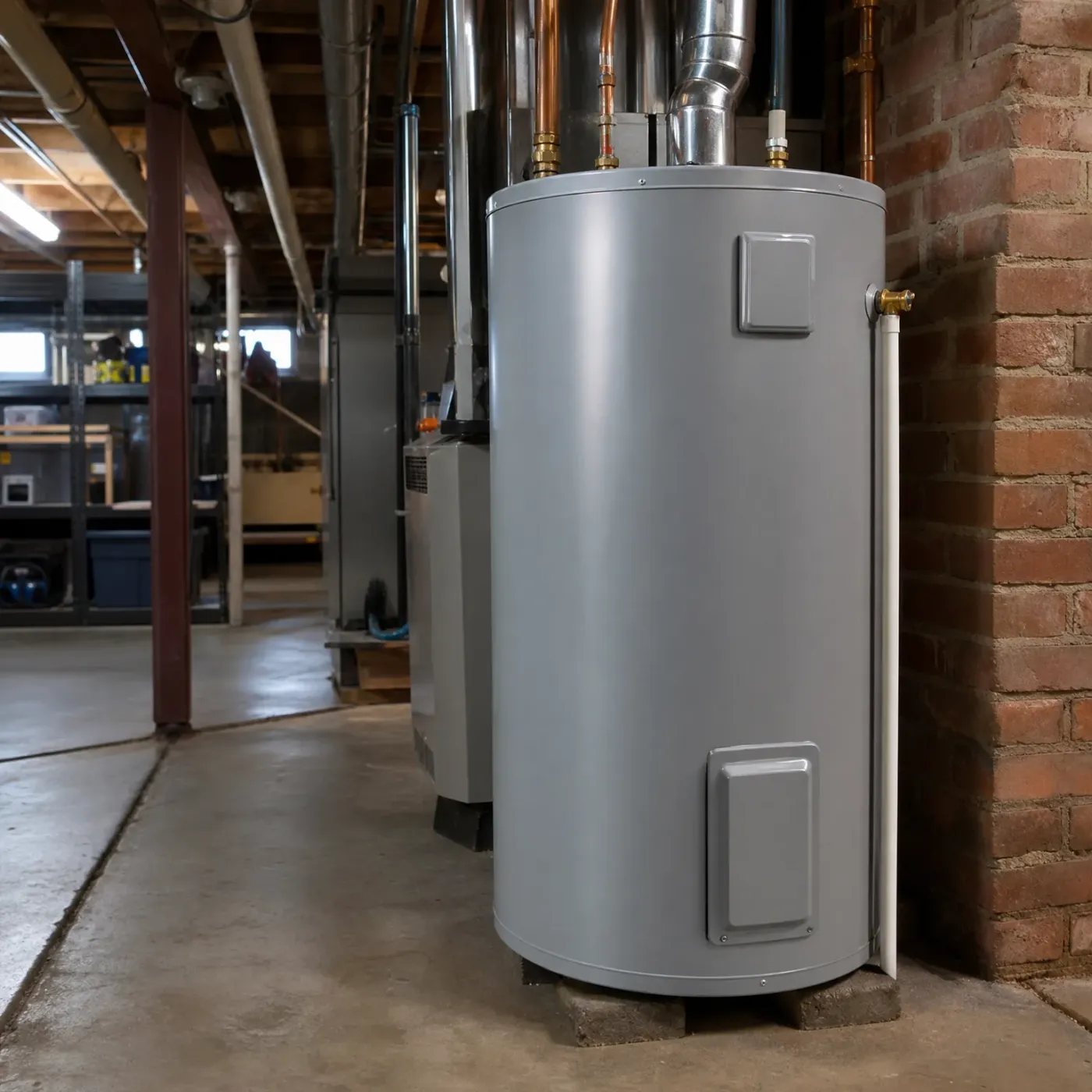
A gray cylindrical water heater with two access panels stands on concrete blocks beside a brick wall in a basement, with copper and metal pipes above and shelving visible in the background.

A local pro for your water heater repair

Only one pro gets your request, so you hear from one company.

Say what's going on with your water heater, and a pro who works on them reaches out.

Get my match

You only hire the pro if you want to.

Is this your water heater right now

You turn the tap and it takes longer than it used to for the water to go from warm to actually hot. Two showers back to back and the second one runs lukewarm halfway through. The tank might make a low rumble or popping sound you haven't noticed before. Dishes in the sink don't get the grease cut the way hot water should. None of this means the tank is about to fail, but a water heater that's struggling to keep up and gets left alone usually struggles more as time goes on, and a tank that's starting to corrode internally can eventually leak into the space around it.

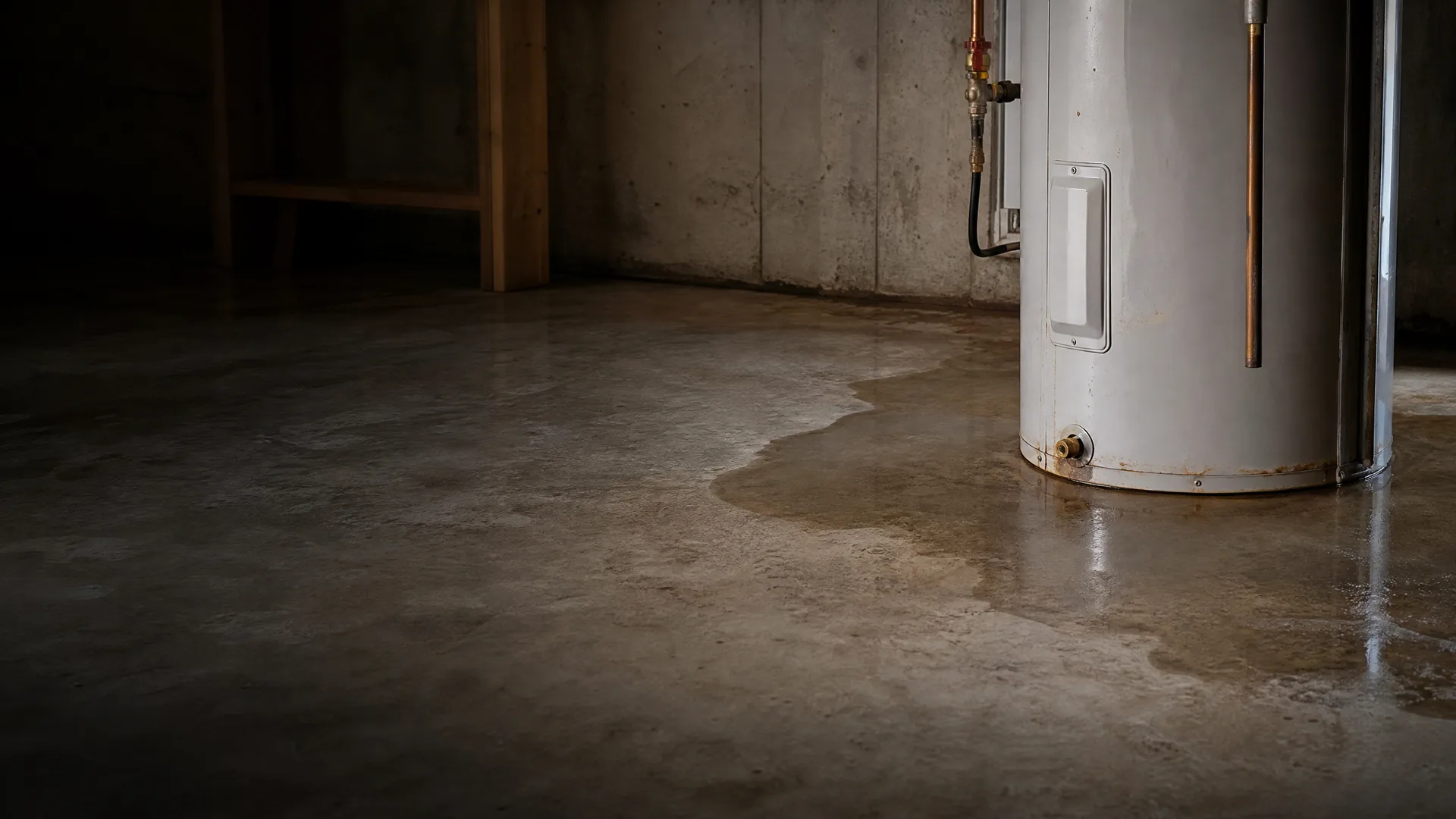
A white cylindrical water heater with copper pipes stands against a concrete basement wall, with water pooled across the surrounding concrete floor.

Saturday morning, and the house is still waking up. You head down to the basement to grab something off the shelf near the water heater, and your socks go wet before you see why. A pool has spread out from the base of the tank, soaking into the concrete, already reaching the cardboard box you keep old paint cans on. The tank itself looks normal from the top, no hissing, no smell, just quiet. You crouch down and feel along the bottom seam where the steel meets the base, and it's wet there too, not just dripping from a fitting above. Upstairs the shower was running warm twenty minutes ago. Down here, water keeps finding its way to the drain in the floor, slow and steady, like it's been going for a while before you noticed.
58.6% of homes statewide heat with electricity

Most houses in Washington run on electric heat, and that includes the water heater. An electric tank leans entirely on its two elements to do the work, so when one starts failing, recovery slows down and there's no gas burner to pick up the slack.

ACS 2020-2024 5-year B25040

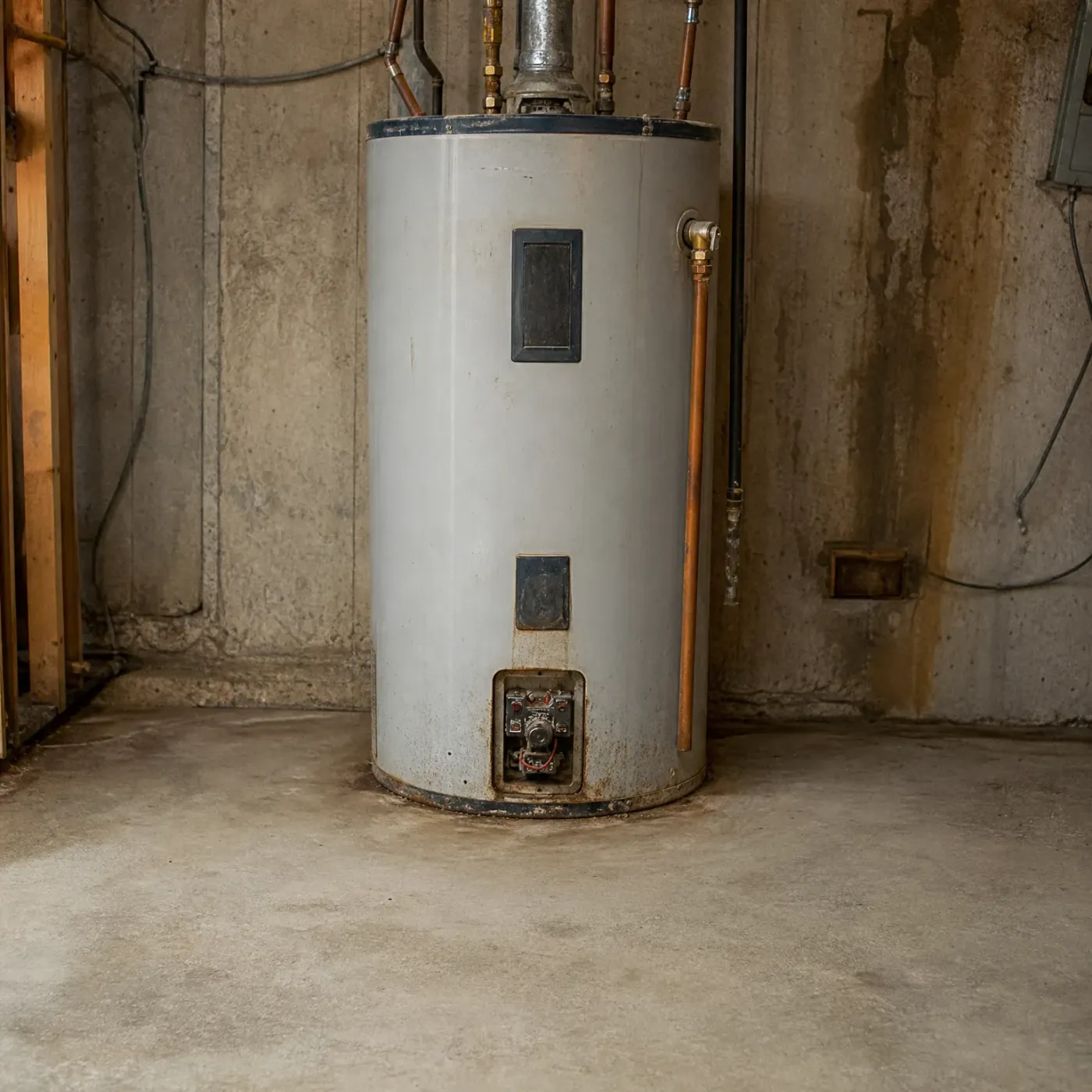
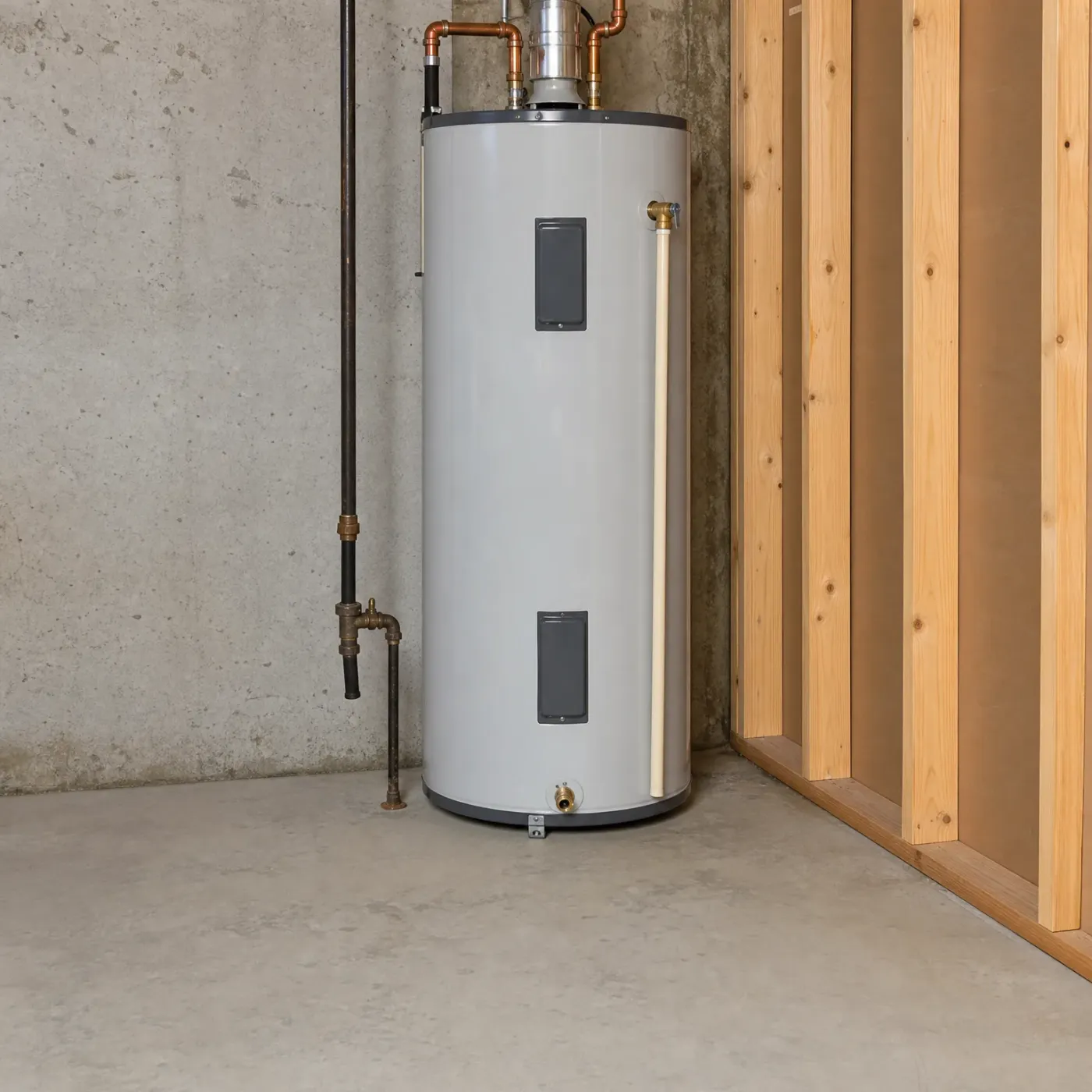
A light gray cylindrical water heater with two access panels stands on a concrete floor against a concrete wall, with copper and black pipes beside it and an unfinished wood stud wall to the right.

Working the way it should

This is what a healthy setup looks like: copper lines tight at the top, both access panels sealed, the relief valve and drain valve doing nothing but sitting ready. A tank in this shape heats on schedule because the elements inside are clean and the thermostats are reading right.

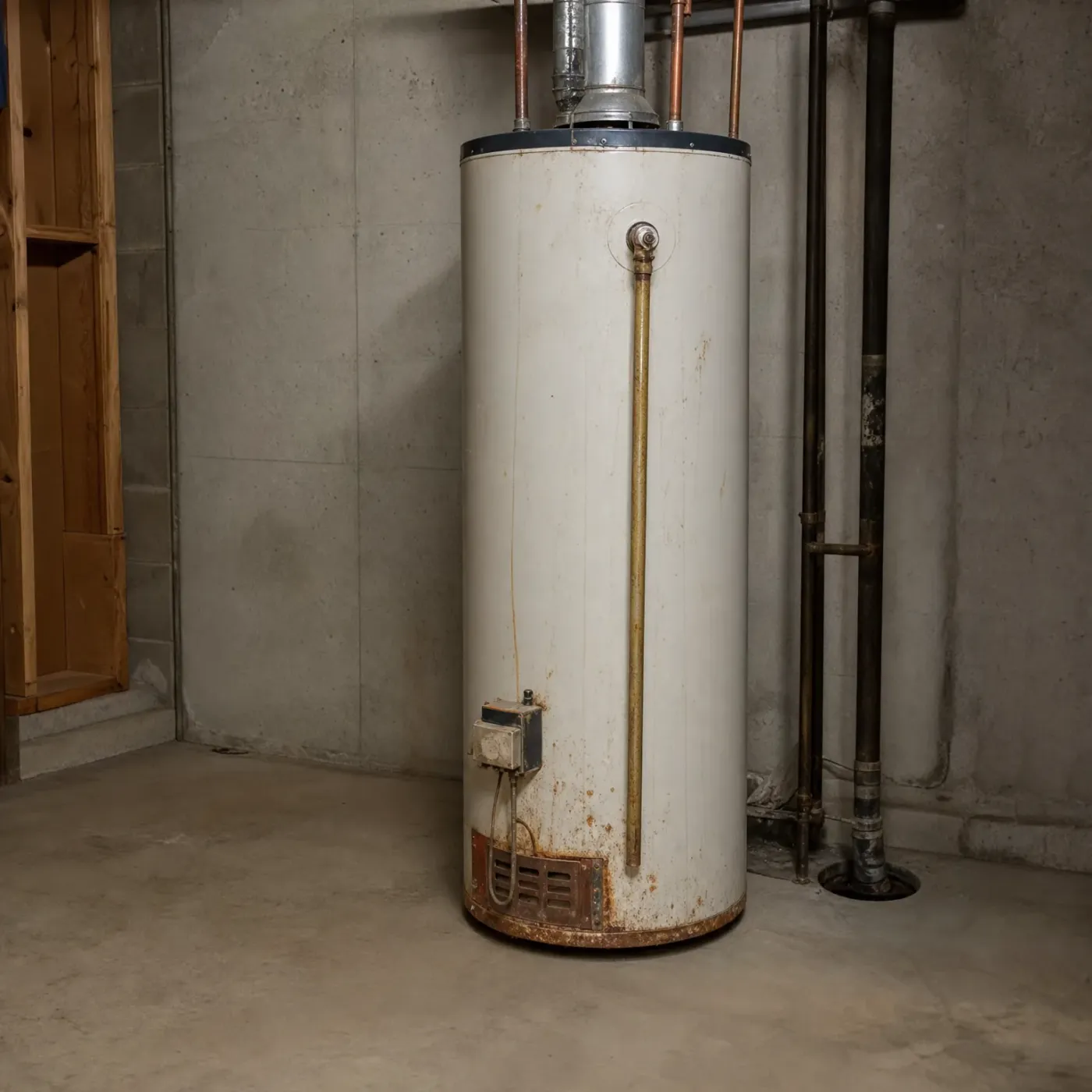
An older white gas water heater with rust staining and an exposed vertical pipe stands against a concrete block basement wall, with a metal flue above and black vertical pipes to the right.

Rust at the base

This is further along than slow recovery. Rust climbing the bottom of the tank means the steel itself is wearing through, not just the heating element inside it. Once a tank looks like this, a repair buys time at best, and that time is short.

A water heater that falls behind on recovery is telling you something specific: an element has failed, a thermostat is misreading the tank, or scale has built up around the heating elements enough to slow the transfer. None of that fixes itself, and running the tank this way just leaves you with longer waits and higher bills until the part that's actually failing gets replaced. A licensed contractor who works on electric water heaters all year in Washington has seen this exact pattern enough times to know where to look first, and you'll be matched with one contractor, not a handful calling you back at once. They can look at your tank, tell you which element or thermostat is behind it, and get the recovery time back to where it should be.

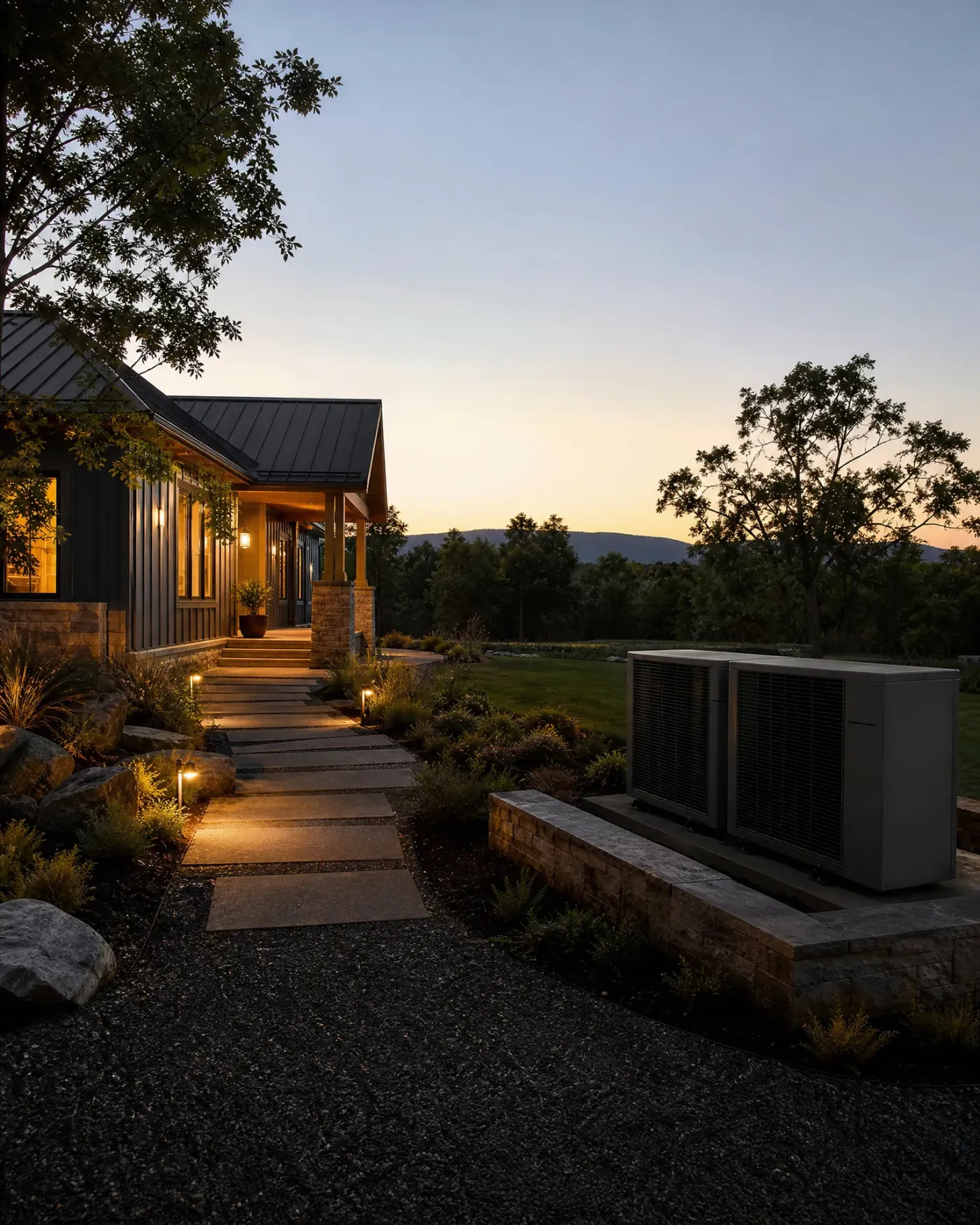
At dusk, a dark board-and-batten house with a standing-seam metal roof and lit entry walkway of stone pavers, with two large outdoor heat pump units on a stone-walled pad at right and trees and hills in the background.

Water Heater Repair

Get the right pro for your water heater

Step 1 of 3: Equipment
  • A beige upholstered armchair with an olive cushion sits in a sunlit corner beside a wooden side table holding a ceramic vase with leafy branches, under a framed abstract artwork, on a woven rug over a wood floor.
    • Describe your water heater job, and a local pro who handles it gets in touch.
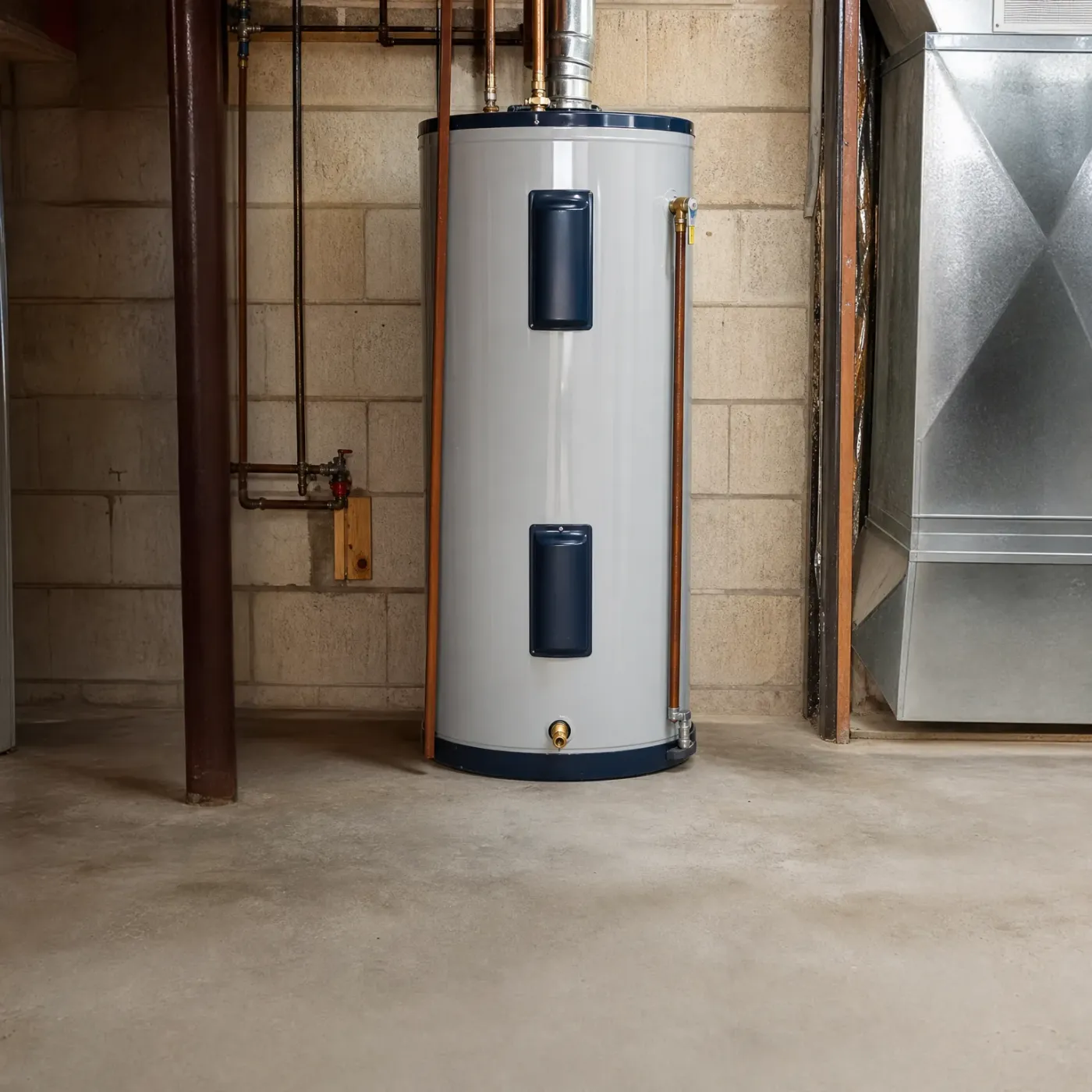
  • A gray outdoor condenser unit on a concrete pad surrounded by dark gravel, beside a dark wood-sided wall with an electrical disconnect box and a stone veneer wall with a small evergreen shrub.
    • Send the request today and stop worrying about who to call.
    • Send the request today and let a water heater pro reach out to you.
  • A beige upholstered oversized armchair with a matching cushion and a knit throw draped over one arm, beside a round wooden side table holding a vase of greenery near a curtained window, with a framed landscape print on the wall and a woven rug on a wood floor.
    • One form replaces the calls you'd make to find a water heater pro.
    • Describe what your water heater is doing once, in one form.
  • Sunlit living room corner with a beige upholstered sofa, cushion and knitted throw, a round wooden side table holding a white ceramic vase of leafy branches and a small wooden bowl, a framed landscape painting on the wall, and a window at right.
    • Your request goes to one pro, not a list of companies.
    • The pro who reaches out is licensed in Washington.