

Profile view of a bearded man wearing a dark baseball cap and a dark gray T-shirt against a plain off-white background.

What temperature to set a water heater in Washington

Step 1 of 3: Equipment

120 degrees is the right setting for most water heaters in Washington. That's hot enough for showers and dishes without wasting energy heating water past what anyone uses, and it cuts down on standby heat loss, which matters more here since most homes heat with electricity. Going higher doesn't get you hot water faster, it just means the tank holds more heat it has to keep paying to maintain. It also raises the risk of scalding at the tap, especially for kids or older adults. If you've got a dishwasher without its own heating booster, or someone in the house needs hotter water for medical reasons, 130 might make sense, but that's the exception, not the rule. Check the dial on the tank itself rather than guessing. Some read in plain numbers, some have a warm to hot gauge with no markings at all, and either way it's worth confirming where 120 actually falls before you leave it alone.

A woman wrapped in a thick beige fleece blanket sits on a sofa with an open book on her lap, beside a lit table lamp, with a frost-covered window behind her.
A smiling older woman with gray hair in a cream knit sweater stands in a dimly lit kitchen beside a window showing snow outside, with a round loaf of bread on the counter in the foreground.
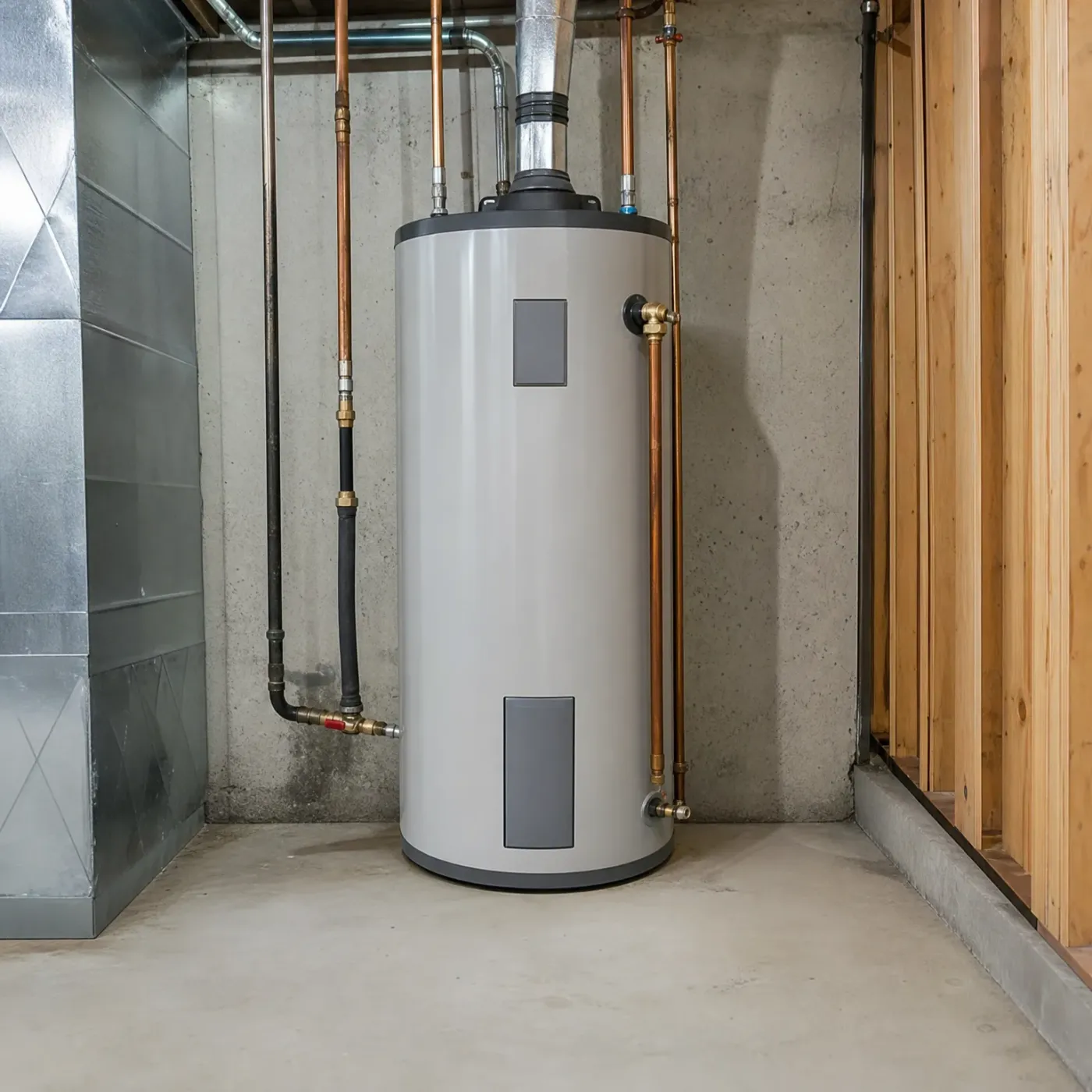
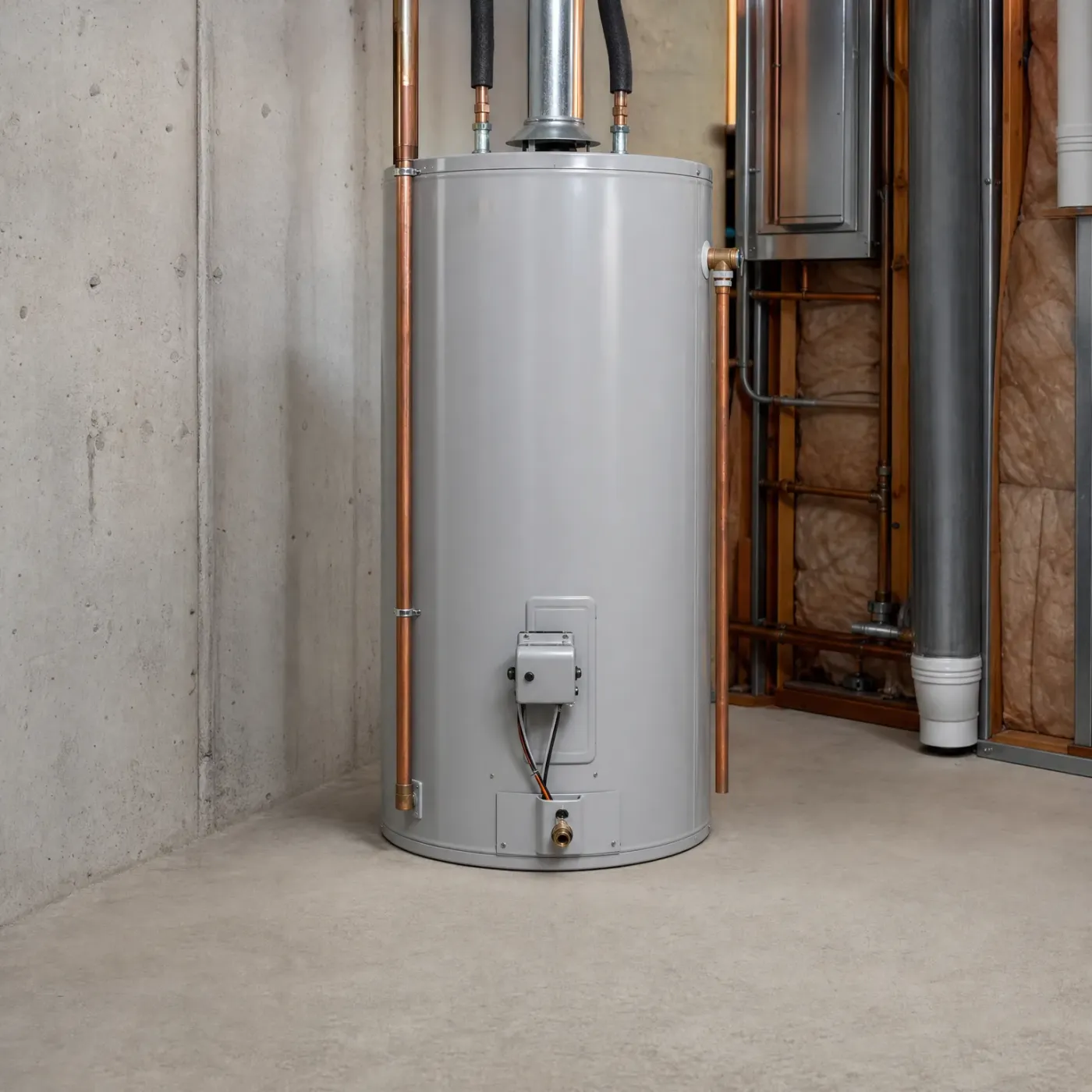
A gray cylindrical water heater stands in a basement corner against a concrete wall, with copper pipes, insulated flex lines, a metal flue, and insulated wall framing with ductwork to the right.

Set correctly

At 120 degrees, a water heater does its job and nothing more. The tank cycles less, the pipes carry water you can use straight out of the tap, and the parts inside aren't working harder than they need to. This is what a well kept unit looks like.
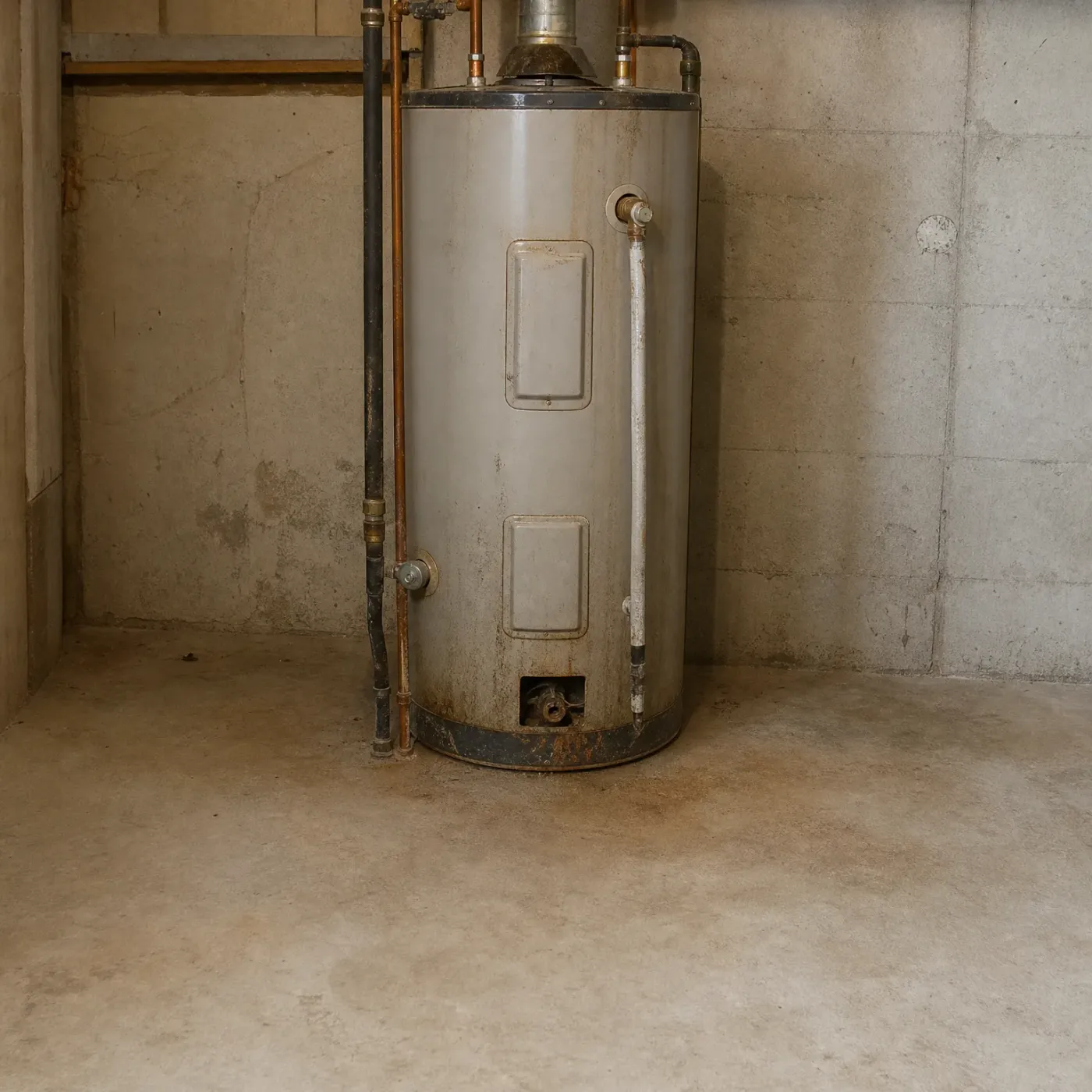
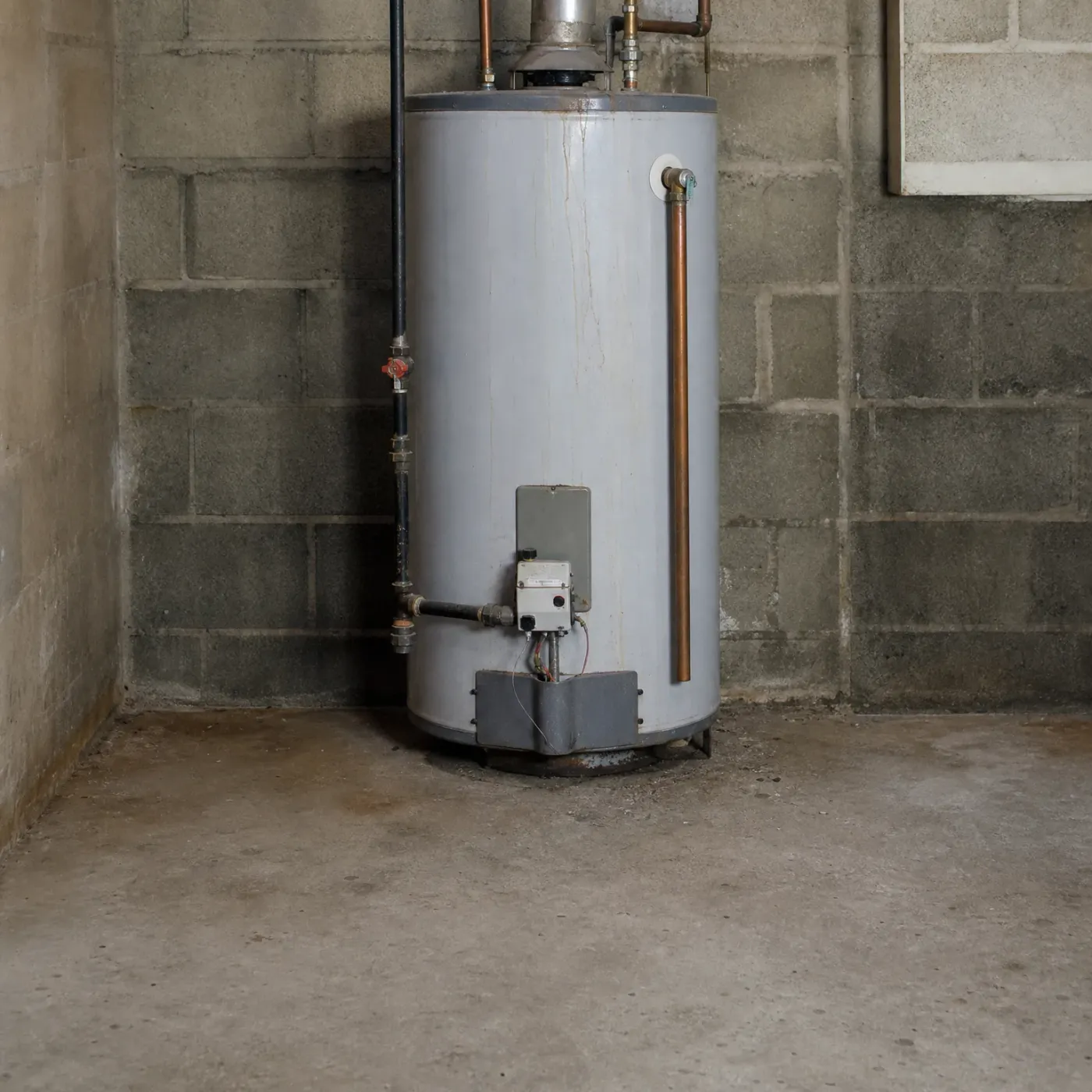
A rusting gas water heater with copper and steel pipes stands against a concrete block wall on a bare concrete floor.

Left too high

Push the thermostat past 120 and the tank works overtime, and the water coming out can scald. Over years, that extra heat adds to wear at the bottom of the tank, where sediment settles and corrosion starts. Rust like this at the base usually means the heat was never dialed back.

A woman in a cream sweater and jeans stands in the open doorway of a white stucco house, holding the dark door, while a man in a dark quilted jacket seen from behind walks toward the entry past potted plants.

What 120 degrees looks like in your house

Turn the dial up past 120 and you won't see it on a bill labeled "water heater." You'll see it as a slightly higher electric bill every month, since that's how most homes here heat water. Turn it down and showers run cooler than they should, which is usually what sends people checking the setting in the first place.

The dial on the tank isn't always accurate, and a setting that reads 120 can deliver water that's hotter or cooler at the tap. If yours has drifted, or you're not sure it was ever checked, that's worth having a local contractor look at along with the rest of the tank. Someone who works on water heaters around Washington every week knows which models run hot at the dial and which ones run cold, and can set yours to match what it actually puts out.

A living room corner with a beige sofa and cushion, a round wooden coffee table holding a pale ceramic vase of eucalyptus stems and a wooden bowl, and a curtained window with a potted plant above a latticed radiator cover in the background.
A gray cylindrical water heater standing in a basement corner against a concrete wall, with copper and black pipes, a metal flue, and ductwork nearby, next to wood framing on the right.

Running the way it should

This is a tank set where it should be. The pipes run warm, not hot to the touch, and the gas valve and control cycle on for a while, then shut off and leave it alone. Nothing at the base is working harder than it has to.

A gray cylindrical gas water heater with copper and black pipes stands in the corner of a basement with concrete block walls and a bare concrete floor.

Running too hot

Push the setting too high and the control unit near the base calls for heat more than it should. Iron and copper pipes carry water hotter than anyone needs for a shower or a sink, and the tank holds that heat around the clock, waiting for someone to turn on a tap.

120 Degrees or 140 Degrees

120 degrees

  • Water at the tap comes out hot enough for a shower or a full sink of dishes without needing to add cold.
  • The tank cycles on, heats the water, and shuts off instead of holding a higher temperature all day.
  • A child or a pet in the house isn't at risk of a scald if they turn the hot tap on by themselves.
  • Since most homes in Washington heat water with electricity, less time spent heating shows up as a smaller bill.
  • The anode rod and the tank lining wear at the normal rate instead of breaking down faster under extra heat.

140 degrees

  • Water out of the tap can scald skin in seconds, which matters if there are young kids or older adults in the house.
  • The tank holds a higher temperature around the clock, so it draws power more often even when nobody's running hot water.
  • Mineral buildup inside the tank forms faster at the higher heat, which is part of what shortens a water heater's life.
  • Pipes carrying water from the tank run noticeably hot to the touch, not just warm.
  • Some people set it there to stretch a smaller tank further, but 120 degrees already meets what a household actually uses.
A gray-haired bearded man in a dark coat and scarf dusted with snow stands smiling in a dimly lit entryway with a white front door, a side table with a lit lamp, an oval mirror, and a patterned rug.
An older bearded man in a dark snow-dusted coat and gray scarf stands just inside a dimly lit home entry, with a framed picture, lit table lamp, and an adjoining room with a fireplace behind him, and snow visible through the open door.
A gray-haired, bearded man in a dark snow-dusted coat stands smiling in a dimly lit entry hall with a staircase, a lit table lamp, a framed picture, and a living room visible through a doorway.
An older man with gray hair and a beard, wearing a dark jacket dusted with snow, stands smiling in a dimly lit hallway with lamps and a living room visible behind him.
A tall gray cylindrical water heater stands in a basement corner against concrete block walls, with copper and metal pipes running along the wall and a vent pipe at its top.

Get the right pro for your water heater

A licensed local pro takes the request for your water heater tune-up.

Describe your water heater job, and a local pro who handles it gets in touch.

Connect with a pro

Asking costs nothing, and the choice to hire stays yours.

Where is the temperature dial on my water heater?

You know you need to change the setting, but you've never actually opened up the water heater to look for a dial. Most people haven't. It's usually tucked out of sight, and electric and gas models don't put it in the same place, so it helps to know what you're looking for before you go down to the garage or utility closet with a screwdriver.

On a gas water heater, it's on the front of the tank. On an electric one, it's behind a panel.

A gas water heater has the thermostat built into the control valve near the bottom of the tank, right where the gas line comes in. It's usually a dial you can turn by hand, sometimes marked with a range from warm to hot rather than exact numbers. An electric water heater hides the thermostat behind a metal access panel on the side of the tank, often under a layer of insulation, with a cover plate held on by a couple of screws. Electric models usually have two thermostats, one for the upper heating element and one for the lower, and both should be set to the same temperature.

  1. The thermostat checks tank water against the dial setting

  2. Below setting, the gas valve or heating element turns on

  3. Burner or element heats the water until it reaches the setting

  4. Thermostat shuts the heat off once it's satisfied

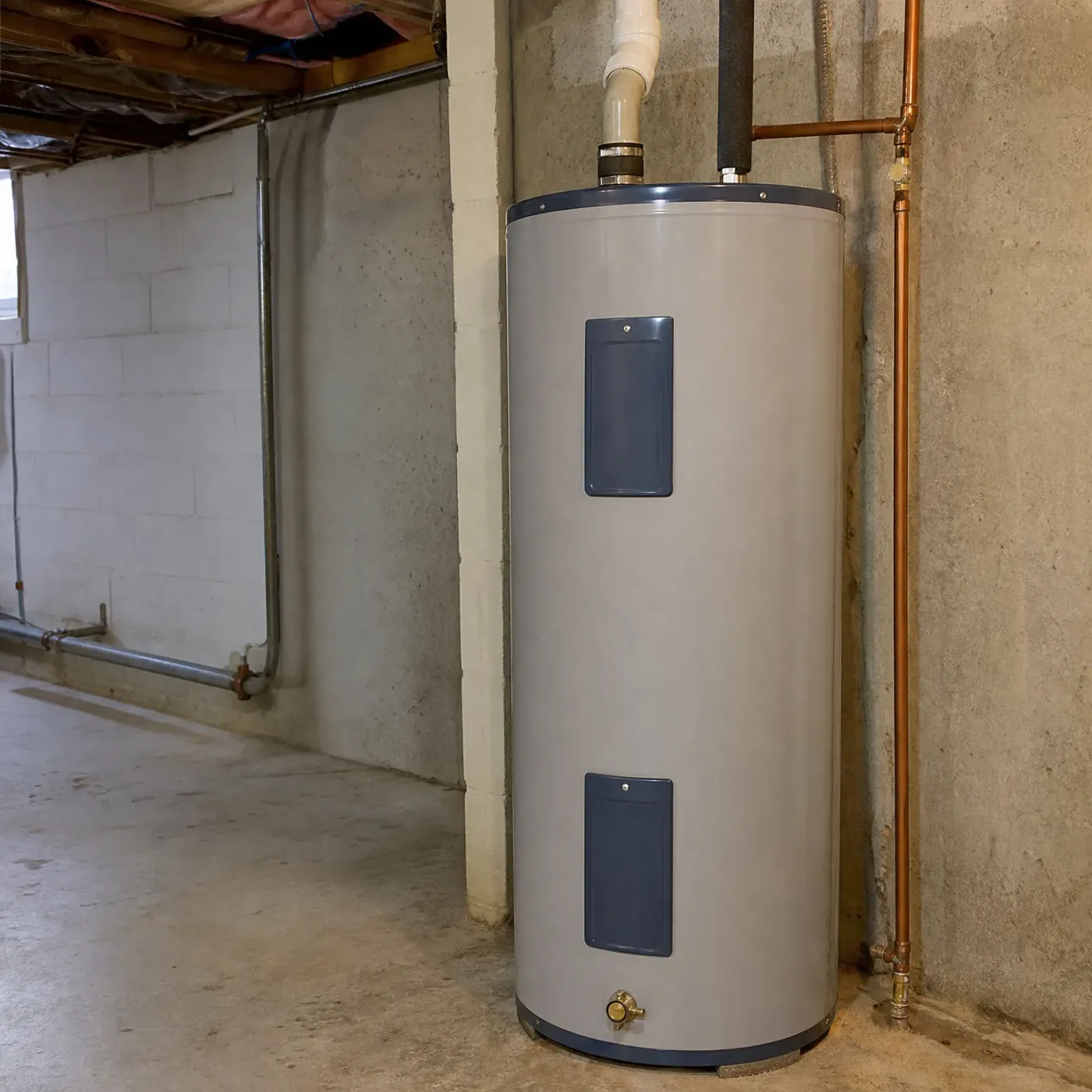
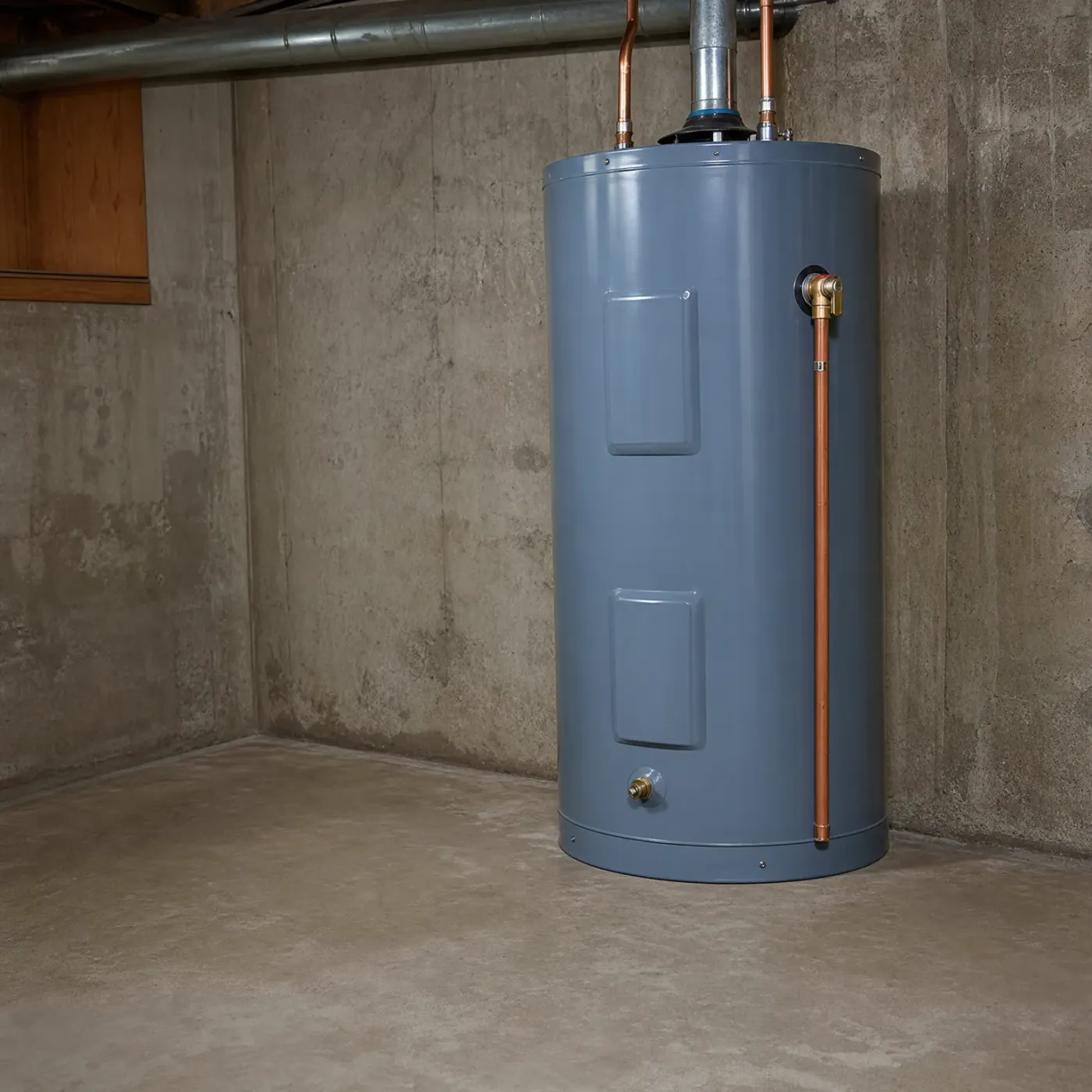
A gray cylindrical water heater standing on a concrete floor in a basement corner, with copper pipes and a metal duct running overhead along bare concrete walls.
A tank kept at 120 degrees with the anode and element checked on schedule, no rust showing at the fittings.
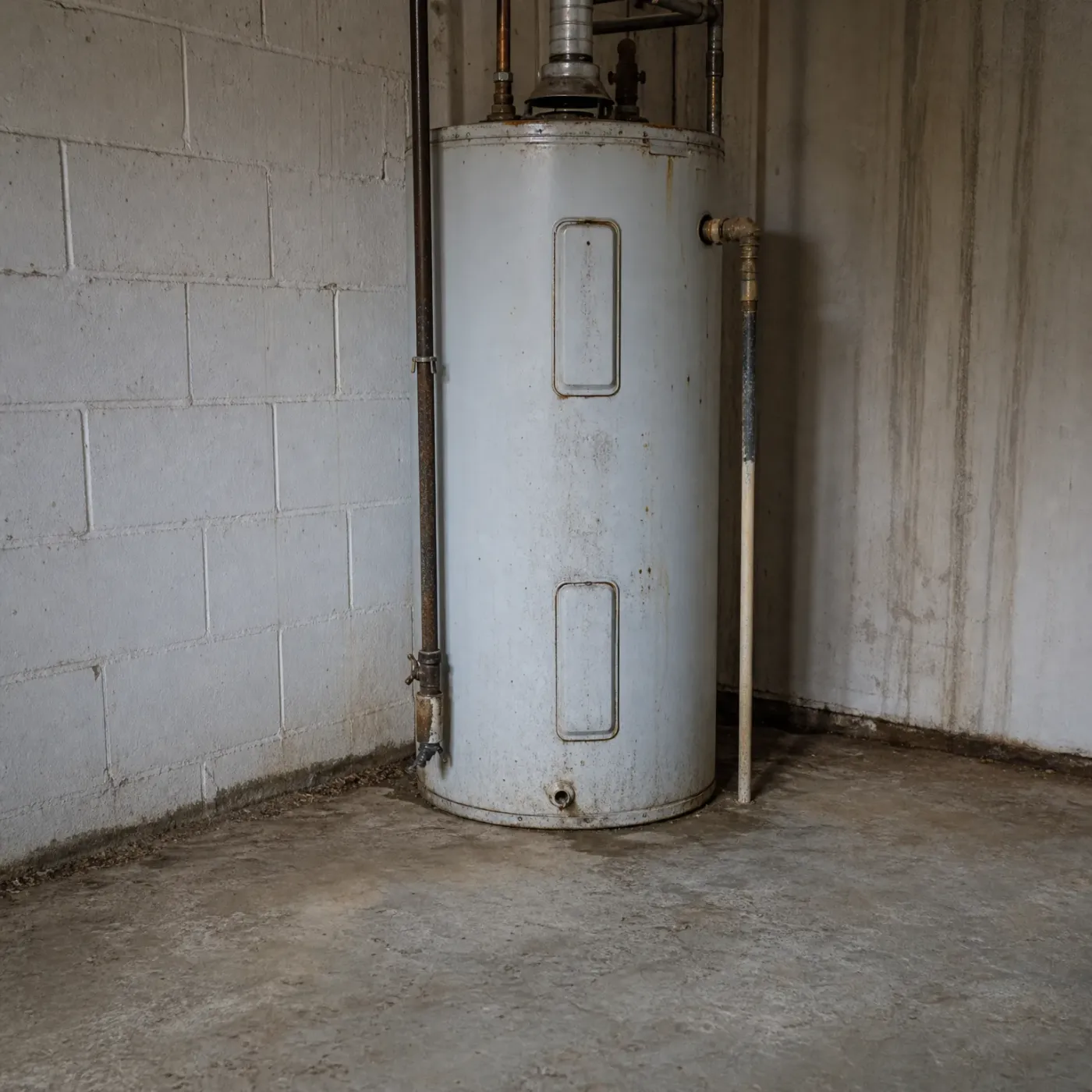
A white cylindrical water heater with rust stains and two access panels stands in a basement corner between a painted concrete block wall and a bare concrete wall, with metal pipes running up and alongside it on a concrete floor.
A tank left to run on its own for years, rust climbing the tank and the fittings showing their age.

58.6% of homes statewide heat with electricity

With more than half of Washington homes heating with electricity, your water heater's dial is doing real work on that bill every month. Set it at 120 and the element cycles only as much as it has to, instead of running up the cost of water nobody asked for that hot.

ACS 2020-2024 5-year B25040

120 degrees, checked and left alone

  • 120 degrees gets you hot showers and clean dishes without paying to heat water past what anyone in the house uses.
  • A dial left too high doesn't show up as a water heater problem, it shows up as a higher electric bill month after month.
  • A local contractor who services water heaters all year knows which tanks in this area tend to run hot and why.
  • Checking the dial takes a few minutes, and it's the kind of thing worth doing alongside the anode and element checks.
  • You're matched with one contractor who works in your area, not a list of companies competing for the job.
  • A tank running at the right setting now is one less thing to worry about through the next bill cycle.

120 degrees is the number. Set there, a water heater does its job without costing more than it should, and that's the whole answer this page came to give you. Most homes in Washington heat water with electricity, so that dial is the one place you can see the difference on a bill before it ever shows up as a problem with the tank itself.

Checking the setting is a small thing, and it's easiest to do alongside the kind of maintenance that catches the bigger issues first. A contractor who works on water heaters in your area all year has seen which tanks tend to drift up in temperature and why, whether that's a dial that gets bumped, a thermostat that reads wrong, or just a setting nobody's touched since the unit went in. That's the kind of thing you notice after doing this work season after season in the same area, not something you'd guess at from a single visit.

When you put in a request through this page, it goes to one contractor who serves your area, not several companies calling to compete for the job. That contractor can look at the dial, the anode, and the element in the same visit and tell you where things actually stand. A tank set right and checked on schedule is one less thing to think about. That's true whether you do it yourself today or have someone who does this for a living confirm it.

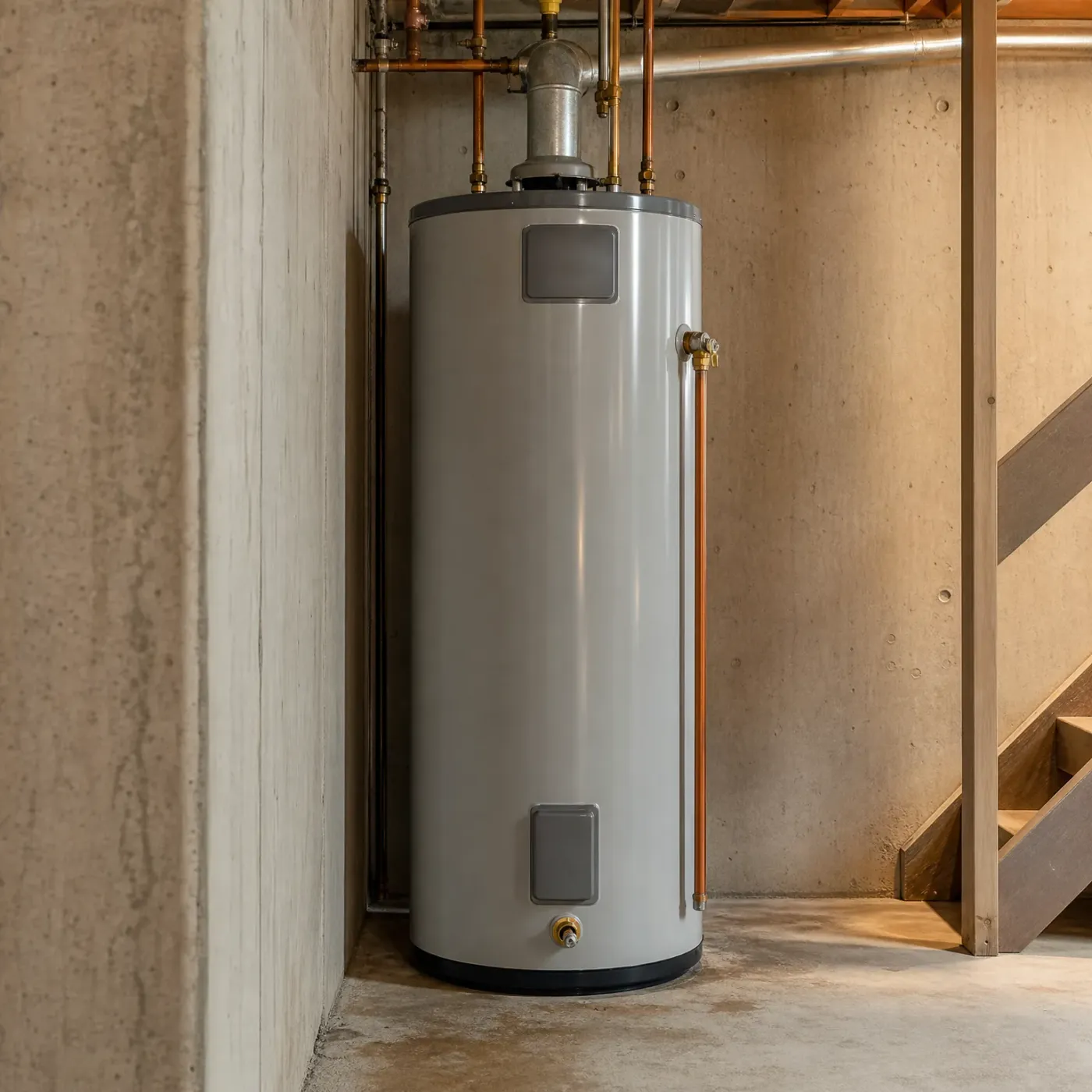
A tall gray cylindrical water heater stands in a concrete basement corner with copper pipes and a metal flue above it and a wooden staircase at right.

A pro who works on water heaters

Find a pro near me

Only one pro gets your request, so you hear from one company.

No fee to send it, and nothing to sign.