 Skip the calls
What size water heater a Washington home needs
Skip the round of in-home estimates for a new water heater.
Picking the right size water heater matters more than most homeowners expect. Too small and you run out of hot water halfway through a shower. Too large and you pay to keep water hot you never use. Getting it right depends on how many people live in your home, what fixtures you run at once, and whether you're sizing a tank or thinking about going tankless.
In Washington, most homes run on electric water heaters, and electricity here is cheap enough that the tank size matters more than the fuel cost. A unit sized wrong wastes less money here than it would somewhere with high power rates, but it still means cold showers or a tank that's bigger than your home needs.
Sizing it right takes knowing your household, your plumbing, and the equipment itself. That's not a guess you want to make alone, and it's not something worth spending a weekend researching either. You could spend hours searching for a plumber who installs water heaters, calling a few to see who answers, explaining your home and your old unit's size to each one, then waiting on quotes to compare line by line. Most people don't have time for that, and most don't need to.
This page connects you with one licensed Washington plumber who installs water heaters for a living and sizes them for homes like yours all year round. No explaining your situation five times to five different companies, no sorting through quotes that all describe the job differently. One contractor, local to you, who already knows what tends to go wrong with undersized or oversized tanks in this state and can tell you straight what size your home actually needs.
Below, you'll find what goes into sizing a water heater correctly and what's typical for homes in Washington. Read through it, then use the button to get matched with someone who can size and install the right one for your house.
What size water heater do I need for my house in Washington?
Most Washington homes heat water with electricity, so the question usually comes down to tank size rather than fuel type. You want enough hot water for everyone at home, especially when mornings get busy, but you don't want to pay to keep a tank full of water nobody uses. The right size depends on your household, not on the climate here, since Washington's mild summers and cold winters don't change how much hot water a family actually draws.
A 40 to 50 gallon tank fits most Washington households
A household of two to four people typically does fine with a 40 to 50 gallon tank. Larger families, or homes where two showers run back to back in the morning, often need 50 to 80 gallons to keep up. Tank size matters more than climate here, since electric water heaters, which most homes in Washington use, recover more slowly than gas ones. That slower recovery means an undersized electric tank runs out of hot water faster than a gas tank of the same size would. A contractor who installs these regularly can size the tank to your household and your electric service rather than a rule of thumb.
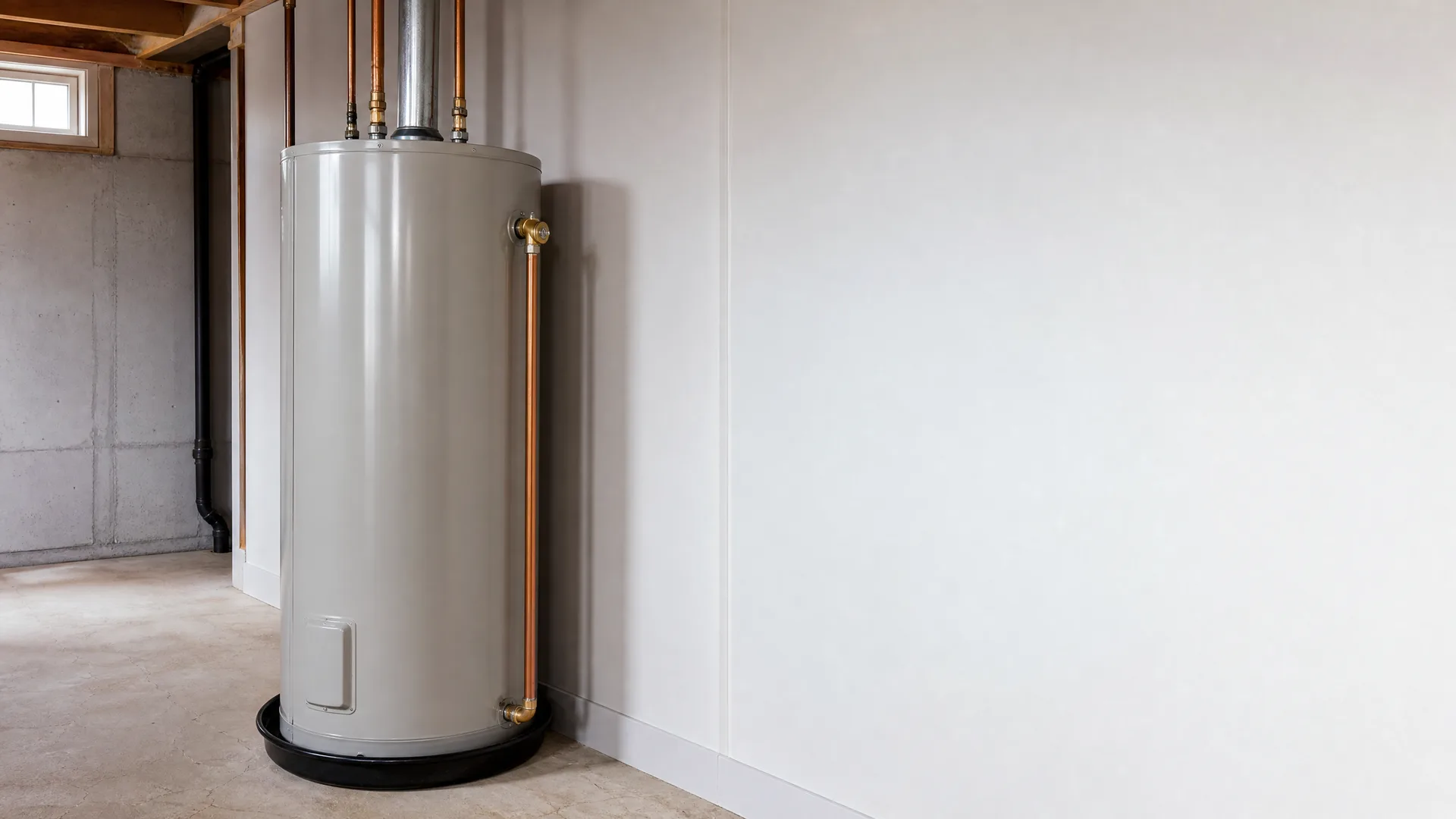
How tank size is counted
Electric water heaters are sized by first hour rating, which is how many gallons of hot water the tank can deliver in an hour starting full. A 40 or 50 gallon electric tank covers most households of two to four people. A household of five or more, or one with a soaking tub or two showers running back to back, often needs 50 to 80 gallons to keep up without the last shower running cold.
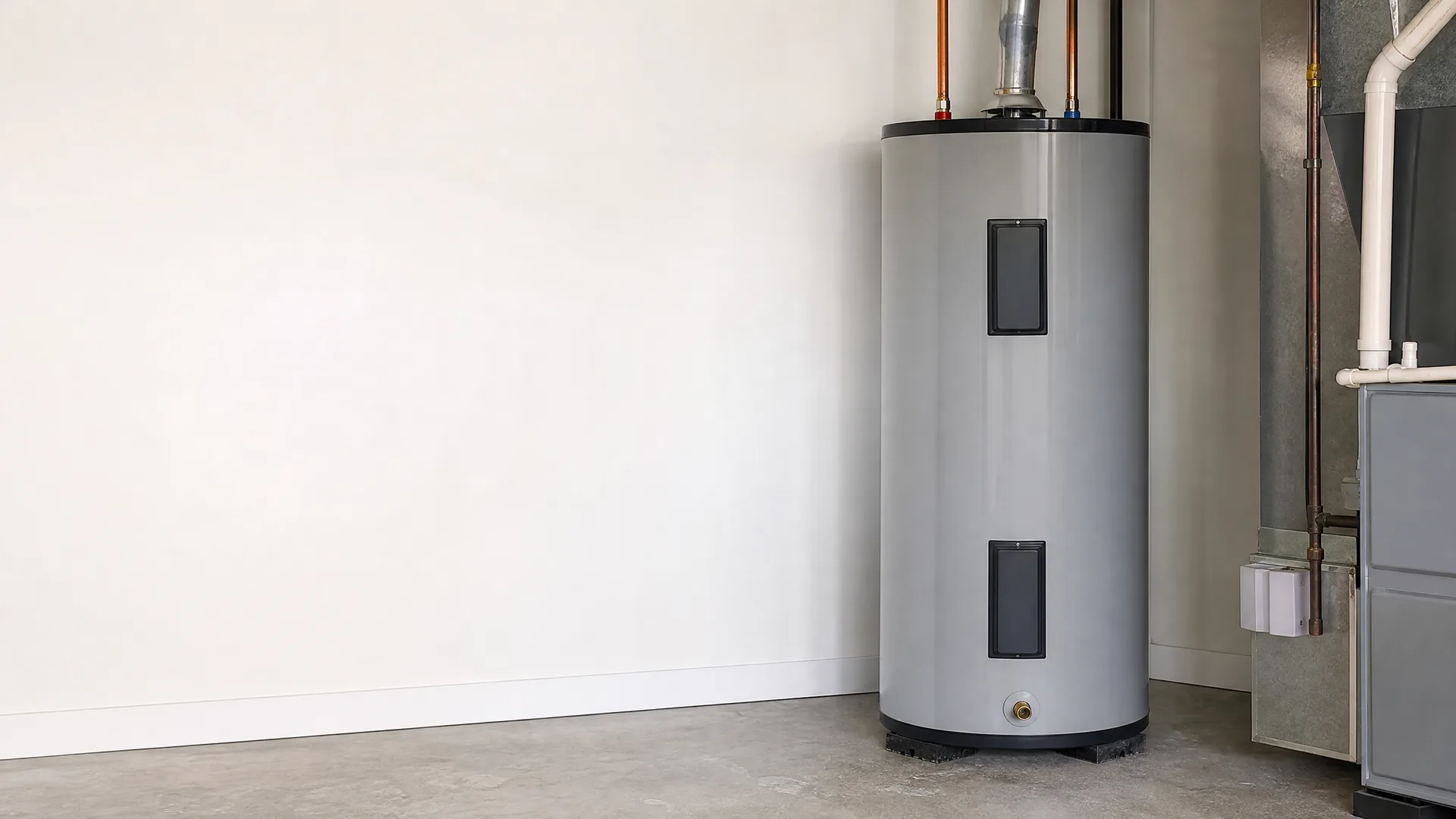
Why electric changes the math
Electric water heaters recover more slowly than gas ones, since two elements heating water take longer than an open gas flame. That means an electric tank needs more stored capacity to cover the same morning rush. A contractor who installs electric water heaters across Washington every week sizes for that slower recovery, not just for the number of people in the house, so you aren't short on hot water when it matters most.
58.6% of homes statewide heat with electricity
If your water heater runs on electricity, it's keeping the same company as most homes in the state. That matters when it's time to replace it: an electric tank recovers slower than a gas one, so getting the first hour rating right counts for more.
ACS 2020-2024 5-year B25040




No quotes to chase
Figuring out the right first hour rating for your house is one thing. Finding a licensed Washington installer who sizes the tank correctly instead of swapping in whatever matches the old one is another. That part usually means searching around, calling a few companies, explaining your household and your old tank's gallon rating more than once, then sitting on quotes trying to compare them against each other. A request here goes to one local contractor, someone who installs these tanks in homes like yours all year and knows how electric water heaters in this state typically get undersized or oversized. You skip the round of calls and the repeat explanations, and you're not stuck sorting through several bids for the same job. If your current tank is running out of hot water in the morning or your electric bill reflects a tank bigger than your household needs, that's the kind of thing worth having looked at before you're replacing it under pressure.
A 40 gallon tank is cheaper to buy and cheaper to run every month, since a smaller tank cycles less power to keep its water hot.
A 50 gallon tank costs more upfront but covers a house where two showers and a load of laundry can land at the same time, so nobody downstairs loses their hot water.


Right Size, Right Installer
- Matching first hour rating to how many people live in your house is still the deciding factor, not the brand or the price tag.
- A household of two or three usually lands on a 40 gallon electric tank, while four or more often needs 50 gallons to avoid running short.
- A licensed Washington installer who works on electric tanks all year knows which failures show up first in this climate and sizes around that.
- Working with one local contractor means one visit, one set of answers, and no juggling quotes from companies that never saw your house.
- Once the tank is sized to your household, the same questions about running out of hot water or overpaying to heat water you don't use stop coming up.
The sizing question has one answer worth remembering: match the first hour rating to how many people are home, not to whatever tank is already bolted into the closet. Two or three people, 40 gallons. Four or more, 50 gallons, so a shower and a load of laundry don't compete for the same hot water. That's the part you can check yourself before anyone shows up.
The installer matters just as much as the number. Washington runs mostly on electric tanks, and an installer who works on them all year has already seen which parts give out first in this climate and which households outgrow a 40 gallon tank within a year or two. That's not guesswork, it's what happens when someone sees the same equipment on repeat. A licensed local installer sizes the replacement to your house, not to the box that happened to fit last time.
Working with one contractor also means you explain your situation once. No separate calls, no retelling the layout of your utility closet to three different companies, no comparing quotes that were never based on the same tank size to begin with. One visit, one assessment, one answer you can act on.
Get the size right and the two problems that started this search, running short on hot water or paying to heat more than you use, stop being something you think about.
Skip calling around
Your request stays with one local pro.