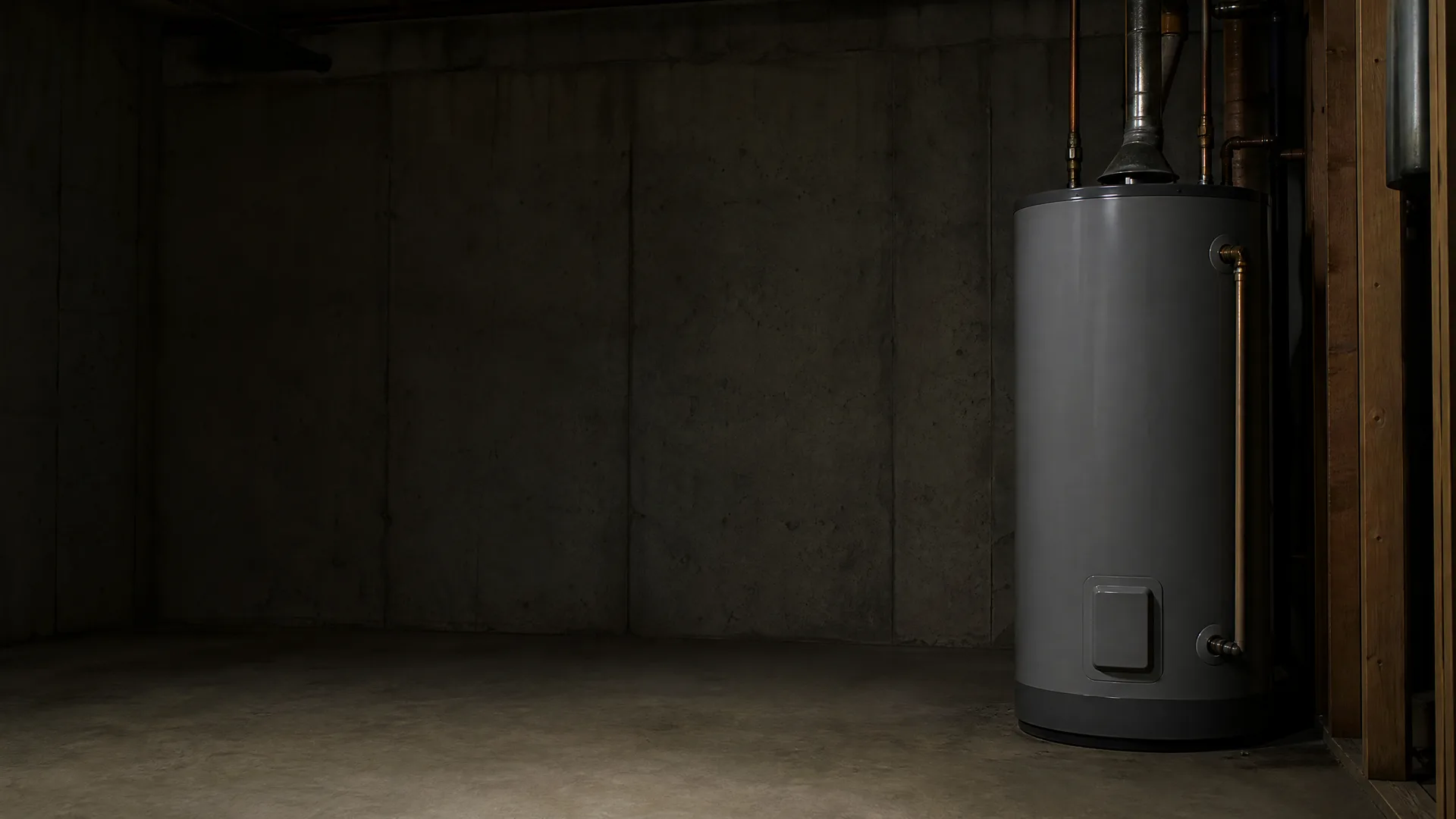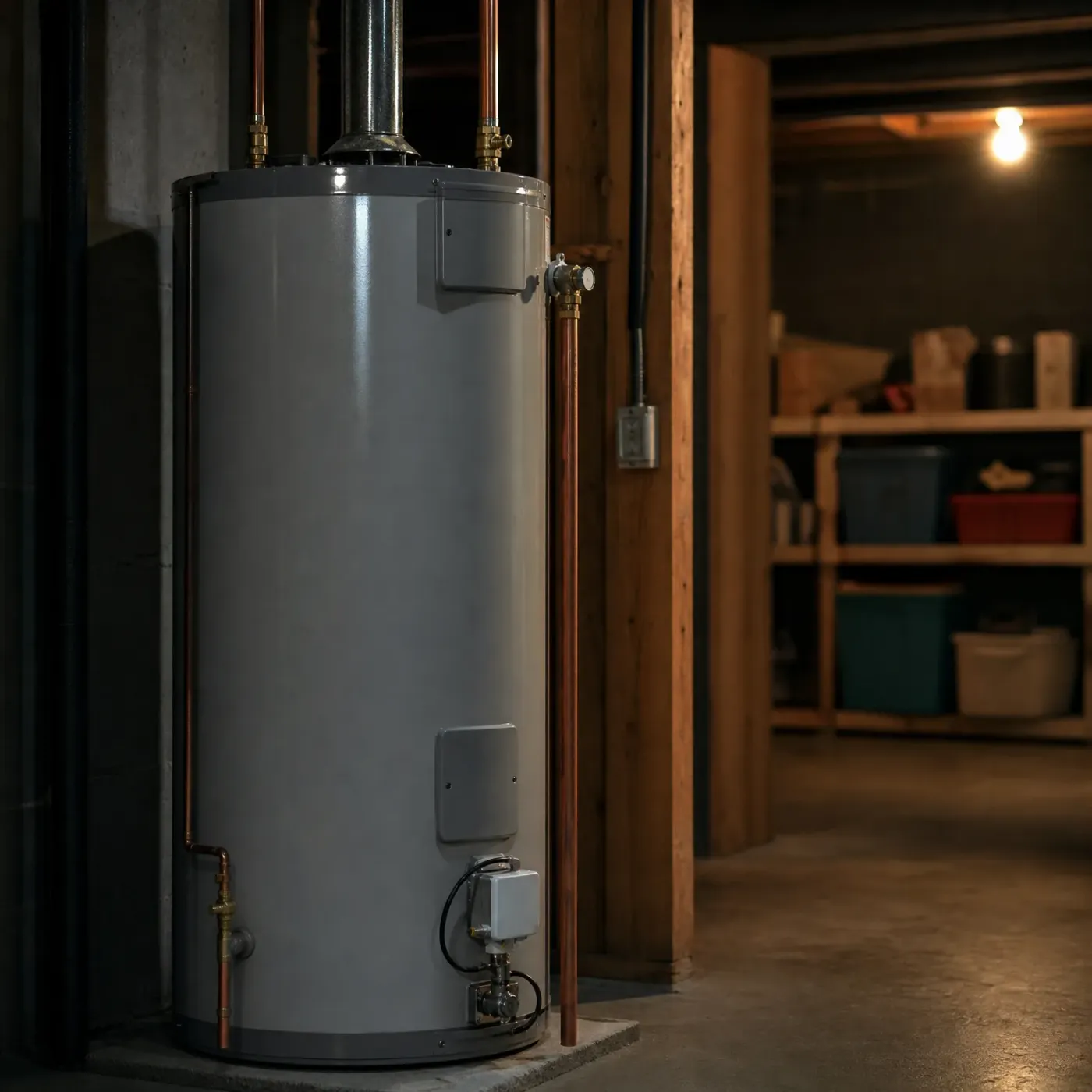





A large gray cylindrical water heater with copper pipes and a metal flue stands on a concrete pad in a dim basement, with wood framing and shelves of storage bins lit by a bare bulb behind it.

Skip calling around

Water heater pilot light keeps going out in Washington

A pilot that won't stay lit usually comes down to a few parts: the thermocouple, the thermopile, or a draft pulling the flame out. This page walks through what causes each one. Instead of searching around for a plumber, calling a few, and explaining the same problem over and over, you can get matched with one licensed contractor near you in Washington who works on gas water heaters regularly and knows what to check first.

Describe it once

A pilot light that keeps going out almost always means the thermocouple has worn out and stopped sensing the flame, or something is pulling the flame sideways so it never heats the sensor properly. The thermocouple is a small rod that sits in the pilot flame. Its job is to tell the gas valve the flame is lit so the valve stays open. Once it wears out, the valve reads a weak signal and shuts the gas off, even though the pilot was burning fine seconds before. A draft from a vent, a loose flue connection, or wind getting into the space around the tank can do the same thing by snuffing the flame directly. Either way, relighting it yourself only holds until the same cause pulls it out again. A plumber can test the thermocouple's output and check the draft and venting to find which one is actually failing.

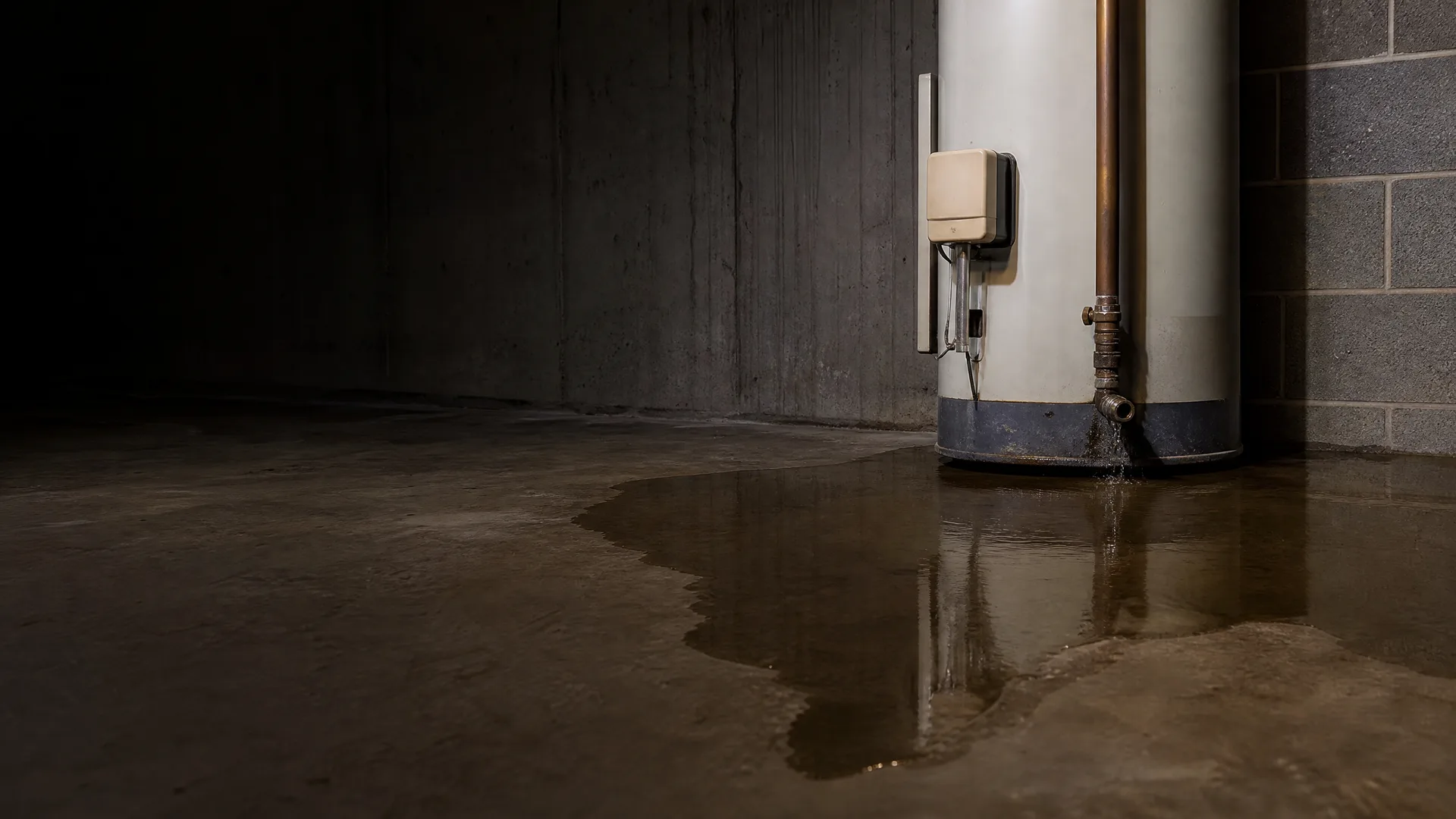
A water heater tank with copper piping and a drain valve stands against a concrete and block wall in a dim basement, with a large puddle of water spreading across the floor.

Saturday morning, and you're down in the basement looking for the breaker box when you see it. Water, spread out in a thin ring around the base of the tank, soaking into the concrete. You'd relit the pilot twice this week already, the usual fight with the igniter button, and figured that was the whole problem. Now there's a puddle instead. You crouch down and touch the floor near the tank. Wet, and cold. Outside it's the kind of mild, dry Washington morning where nothing else in the house is running, no furnace, no AC, just this. You stand back up and look at the tank for a while before you go find a flashlight.

A closed laptop and a cream mug of coffee on a coaster sit on a dark wooden table, with a potted plant at left and a kitchen counter, tiled backsplash and shelf of ceramics in the background.

The thermocouple has a job, and it's not relighting the pilot

The thermocouple is a sensor, not a switch. Once the pilot lights, the flame has to touch the tip of the thermocouple and hold it hot enough to send a small electrical signal to the gas valve. That signal is what keeps the valve open. If the thermocouple is worn, coated in soot, or bent even slightly away from the flame, the valve reads it as no flame at all and shuts the gas off. That is why you can relight the pilot, watch it burn, and still have it drop out twenty minutes later. The part looks fine. It just isn't making contact the way it needs to.

A draft does the same thing a different way, by pulling the flame itself off the tip before the thermocouple ever cools. Either way the fix means knowing which one it is, and that's not something you can tell by looking at a pilot light from across the basement. A plumber who works on water heaters in homes around here knows which brands tend to wear a thermocouple early and which ones are usually a draft problem, so instead of explaining the whole thing twice to two different companies while you wait on quotes, one licensed plumber gets the full picture once and goes straight to checking it.

A living room corner with a beige upholstered armchair holding navy and striped cushions, a small round wooden side table with a carved bowl and a potted green plant, a framed landscape picture on a pale wall, built-in shelving, and a curtained window.
A smiling woman with dark shoulder-length hair in a cream V-neck sweater sits at a marble counter with a glass of red wine, with a kitchen and softly lit living room behind her.
A woman in a dark green sweater laughs while seated at a marble kitchen island with a glass of red wine, with open shelving, cabinets and a living room visible behind her.
A woman with long dark hair in a cream knit sweater laughs while looking off to the side, seated at a counter with a glass of red wine, in a dimly lit living room with a sofa, lamp, framed pictures and houseplant behind her.
A smiling woman with long dark hair in a beige sweater sits at a marble kitchen counter with a glass of red wine, with a dimly lit living room behind her.

Describe it once

A pilot that won't stay lit isn't something you fix by relighting it again and tomorrow night. Most homes in Washington heat with electricity, so the water heater is often the one gas appliance in the house, and the one thing that cuts out when the thermocouple wears down or the draft hood isn't doing its job. Figuring out which it is means someone who sees this part fail every week, not a guess over the phone. Finding that person usually means searching, calling around, describing the same dripping pilot light three or four times, then sitting with quotes that don't match because nobody saw the same thing. Handing this to one local plumber who already knows what a worn thermocouple looks like, and what a draft problem looks like, skips all of that. You explain it once, to the person who's actually coming to look at it, while you're still down in the basement deciding whether to try lighting it again tonight.

What a thermocouple actually does

A thermocouple is two different metals joined at the tip, and when the pilot flame heats that joint, it generates a small voltage, just a few millivolts. That signal is what tells the gas valve to stay open. There's no switch to flip and nothing to adjust. Once the metal fatigues or the tip pulls away from the flame, the voltage drops below what the valve needs, and the valve closes on its own. That's the safety working as designed. A worn thermocouple doesn't fail all at once either, so you might get a flame that holds for a few minutes before it drops out again.
Why a draft changes the picture

If the pilot goes out the moment you turn a bathroom fan on, or right after a door slams, the thermocouple might be fine. Air moving past the burner compartment can push the flame off the thermocouple tip before it ever generates enough voltage to hold the valve open. This shows up more in a basement utility room near a vent or a gap around the flue. A contractor checking this looks at airflow around the tank before replacing any part, since swapping a good thermocouple won't fix a flame that's being blown sideways every time.

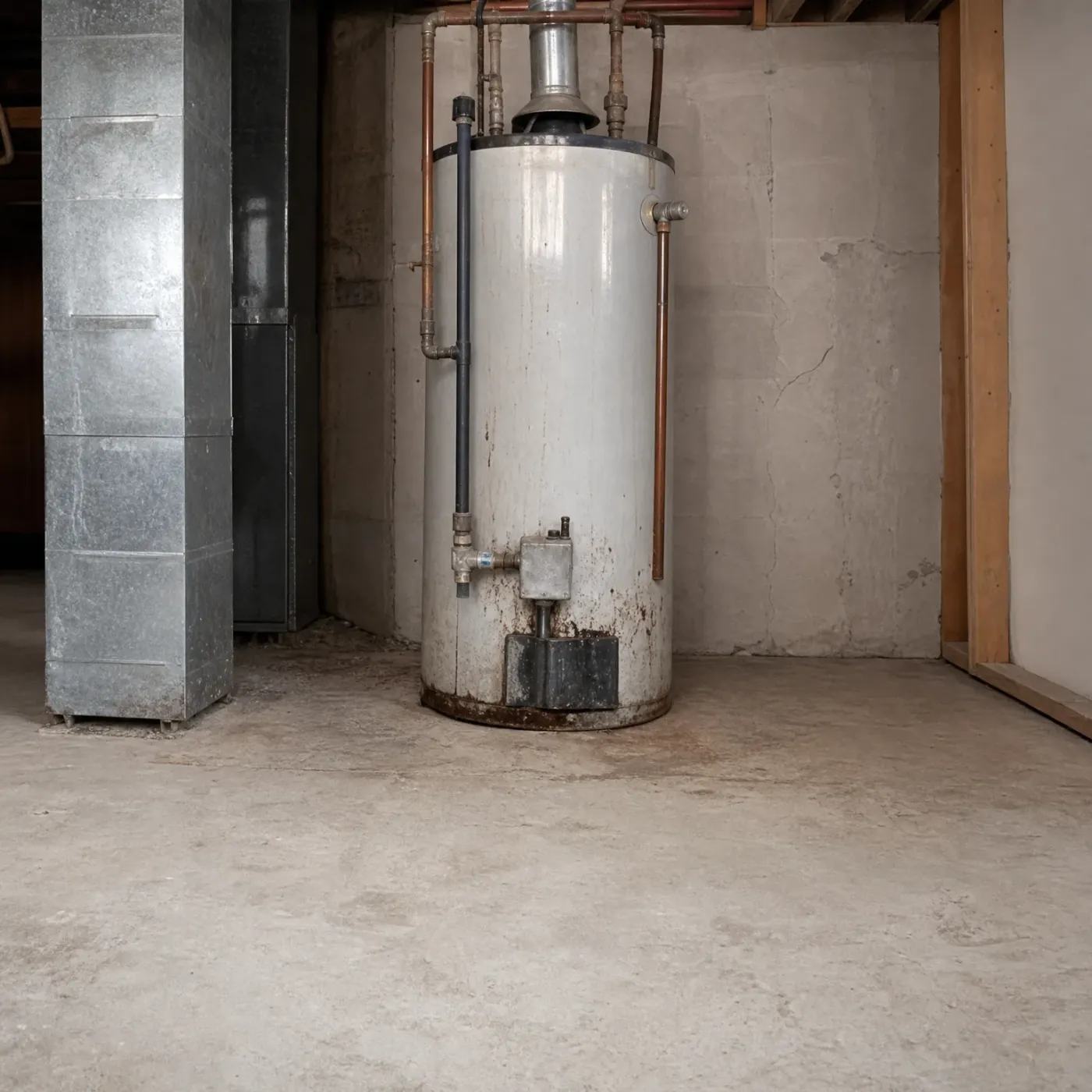
An old rusting cylindrical gas water heater with copper and steel pipes and a flue stands against a concrete basement wall beside metal ductwork on a bare concrete floor.
Before you get your water heater repair
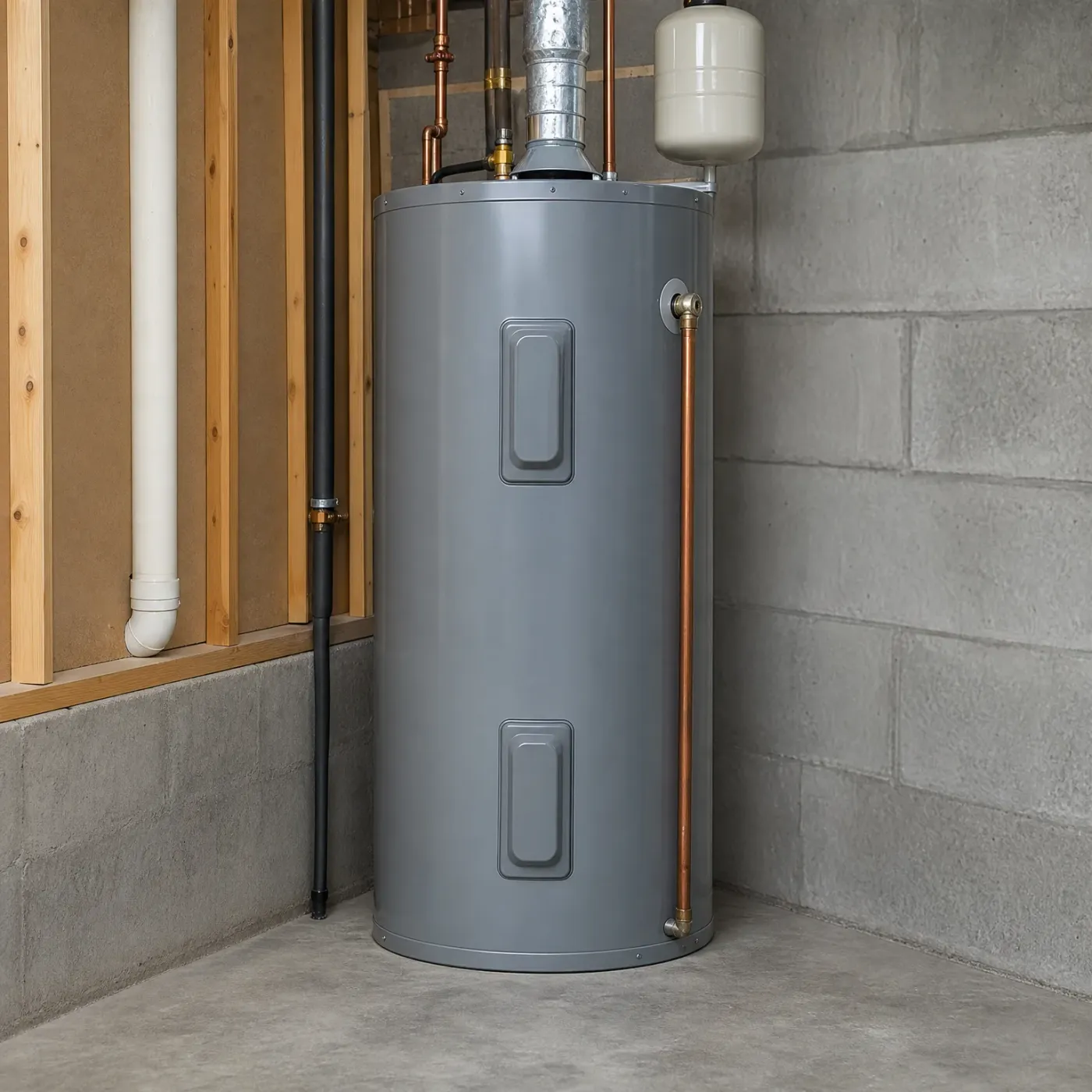
A gray cylindrical water heater with copper piping and an expansion tank stands in a basement corner beside a concrete block wall and exposed wood framing.
After you get your water heater repair
  1. Pilot flame heats the thermocouple tip for about 30 seconds

  2. Thermocouple sends a small millivolt signal to the gas valve

  3. Gas valve reads that signal and stays open

  4. Flame keeps heating the tip, so the valve keeps feeding gas

58.6% of homes statewide heat with electricity

Most houses around you heat with electricity, so gas usually only runs to the water heater. That makes it worth getting right, since a pilot that won't hold means no hot water until someone fixes it, not just a thermostat turned down.

ACS 2020-2024 5-year B25040

A smiling bearded man in a navy sweater sits at a candlelit dinner table with a glass of red wine, a bowl of salad, and plates of food in the foreground.
A woman with dark hair in a bun reclines on a sofa with her eyes closed, wrapped in a cream fleece blanket, a closed blue hardcover book resting in front of her, with a lit lamp and a vase of dried flowers in the background.

What this comes down to

  • A pilot that won't hold almost always traces back to a worn thermocouple or a flame getting pulled off the sensor by a draft.
  • Relighting it again doesn't fix either problem, and it leaves you without hot water until the part gets replaced or the draft gets found.
  • A local contractor who services gas water heaters regularly has likely replaced this exact part more times than you'd guess.
  • Sending one request means one contractor looks at your tank, not a handful of companies calling you back at once.
  • Someone who knows these units can usually tell within minutes whether it's the thermocouple or something pulling the flame sideways.
  • Once you know which it is, the fix is straightforward for someone who's licensed and does this kind of work all year.

A pilot that won't hold is either a worn thermocouple or a flame that's getting pulled off the sensor before it can do its job. Both have been covered above, and both end the same way: no hot water until someone opens up the access panel and deals with it directly. Relighting it buys you a shower, maybe a day, not a fix.

Gas water heaters aren't common in homes that heat with electricity, which is most houses around you. That means a contractor working in Washington isn't guessing at this problem once a year. Someone who services gas water heaters on a regular basis has pulled a bad thermocouple more times than you'd guess, and has probably traced a flame problem to a loose vent cap or a draft from a nearby vent more than once too. That kind of familiarity is what lets someone look at your tank and know within minutes which of the two it is, rather than replacing a part and hoping.

Sending a request here puts one contractor on your tank, not several. You explain what you've seen, the relighting, the ring of water if there was one, once. No comparing quotes from three companies who all want a callback first. Just someone local, licensed to work on gas appliances, who's seen this exact failure before and knows what it takes to stop it from happening again.

A gray cylindrical water heater with copper pipes and a metal flue stands against a concrete wall in a dim basement with a bare concrete floor.

No phone calls to make

Only one pro gets your request, so you hear from one company.

Step 1 of 3: Equipment