Tell us about the job
Takes about a minute. No obligation.
Wood heat shapes what a replacement water heater can and cannot be in this county. Wood heats more occupied homes in Ferry County, Washington than any other fuel, at 48.4% (2020-2024 ACS 5-year). Where wood is burning for space heat, a gas or propane water heater shares combustion air with whatever else is running, and a contractor has to confirm that the home's envelope supplies enough before sizing a new unit. Venting matters too: an orphaned flue after a high-efficiency swap can pull back-draft from other appliances. The fuel mix in a home decides those constraints, and a contractor has to work them out before the equipment decision is made.
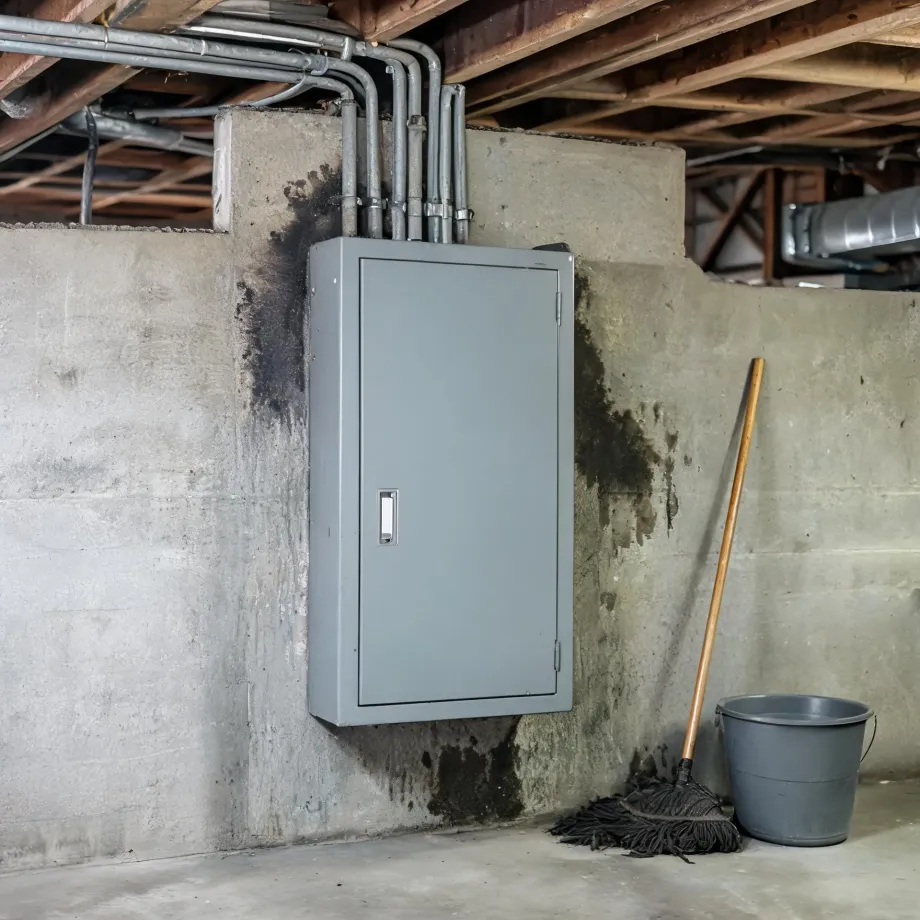
Older electrical panels are where water heater installations in Ferry County tend to stall. Half the homes in Ferry County, Washington were built in 1985 or earlier (2020-2024 ACS 5-year). Houses built by that point were wired for loads that reflect what equipment drew then, and a new water heater, particularly a heat pump unit, pulls more from the service panel than many of those installations were designed to carry. A contractor assessing a job here checks the panel before anything else, because the answer there determines whether the installation is straightforward or whether an electrician has to come in first.
What a Water Heater Installation Covers
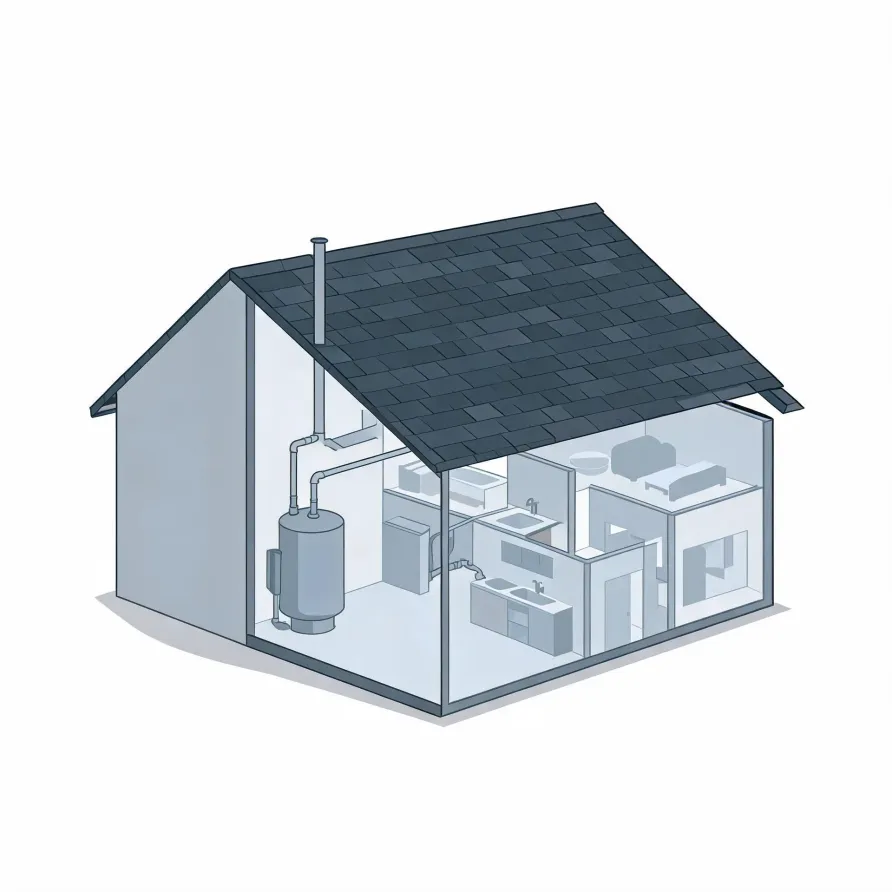
The tank or tankless unit is the centerpiece of the system, sitting in a utility closet, basement, or garage and holding or heating water on demand. Attached to it are the cold-water inlet and hot-water outlet lines, which carry water in from the supply and out to every fixture in the house.
A pressure relief valve mounts directly on the unit as a safety device, and a discharge pipe runs from it toward a drain. The gas line or electrical connection feeds the burner or heating element, and an expansion tank often sits on the cold-water side to absorb pressure changes in a closed system.
The drawing shows a representative layout, and a licensed contractor determines what the specifics of your house call for.
Find a contractor in Ferry CountyFerry County, Washington, by the numbers
131 severe weather events were recorded in Ferry County, Washington between 2015 and 2024.
NOAA National Centers for Environmental Information, Storm Events Database, bulk CSV export, events 2015-01-01 through 2024-12-31.Half the homes in Ferry County, Washington were built in 1985 or earlier (2020-2024 ACS 5-year).
U.S. Census Bureau, 2020-2024 American Community Survey 5-Year EstimatesFerry County, Washington holds 4,117 housing units (2020-2024 ACS 5-year).
U.S. Census Bureau, 2020-2024 American Community Survey 5-Year EstimatesOwners occupy 78.1% of the occupied homes in Ferry County, Washington (2020-2024 ACS 5-year).
U.S. Census Bureau, 2020-2024 American Community Survey 5-Year EstimatesSevere Weather Events in Ferry County
Ferry County's climate puts real demands on water heating equipment. How hard a system has to work over its lifetime is shaped by local conditions, which is why weather history belongs on a page about installation.
131 severe weather events, 2015–2024. Source: NOAA National Centers for Environmental Information, Storm Events Database.