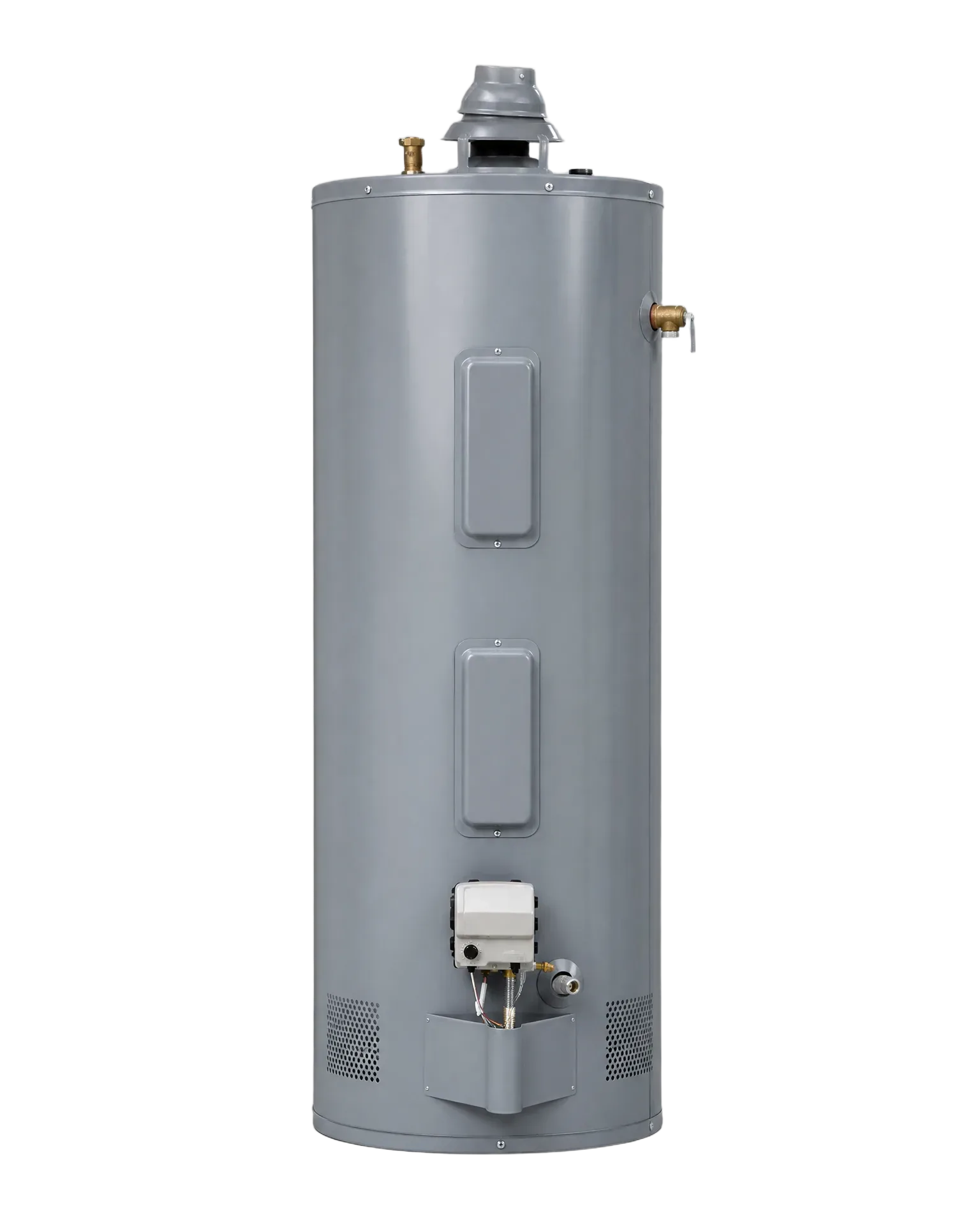
Either one works fine in Washington, and the choice comes down to how much hot water your household uses and whether your electric service can handle a tankless unit. Most homes here heat water with electricity, and electric tankless models need a strong dedicated circuit, sometimes more power than an older panel has to spare. A tank heater runs on standard household wiring and costs less to install for that reason alone. Tankless units take up less space and don't run out of hot water during a long shower, but they run on electricity that, cheap as it is here, still gets used in bigger bursts to heat water instantly rather than gradually. If your panel has room and you want endless hot water, tankless makes sense. If not, a tank heater does the job without rewiring your house.
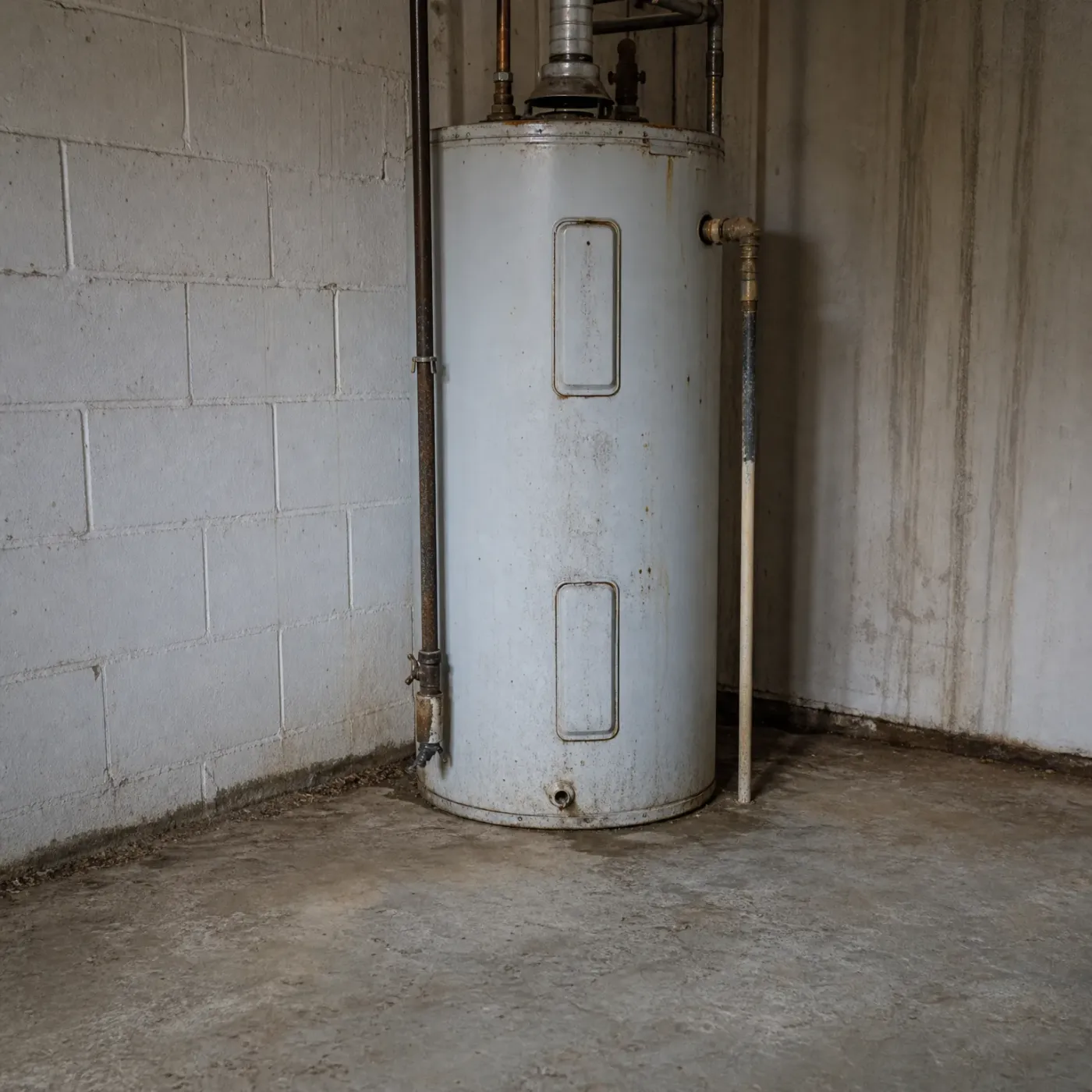
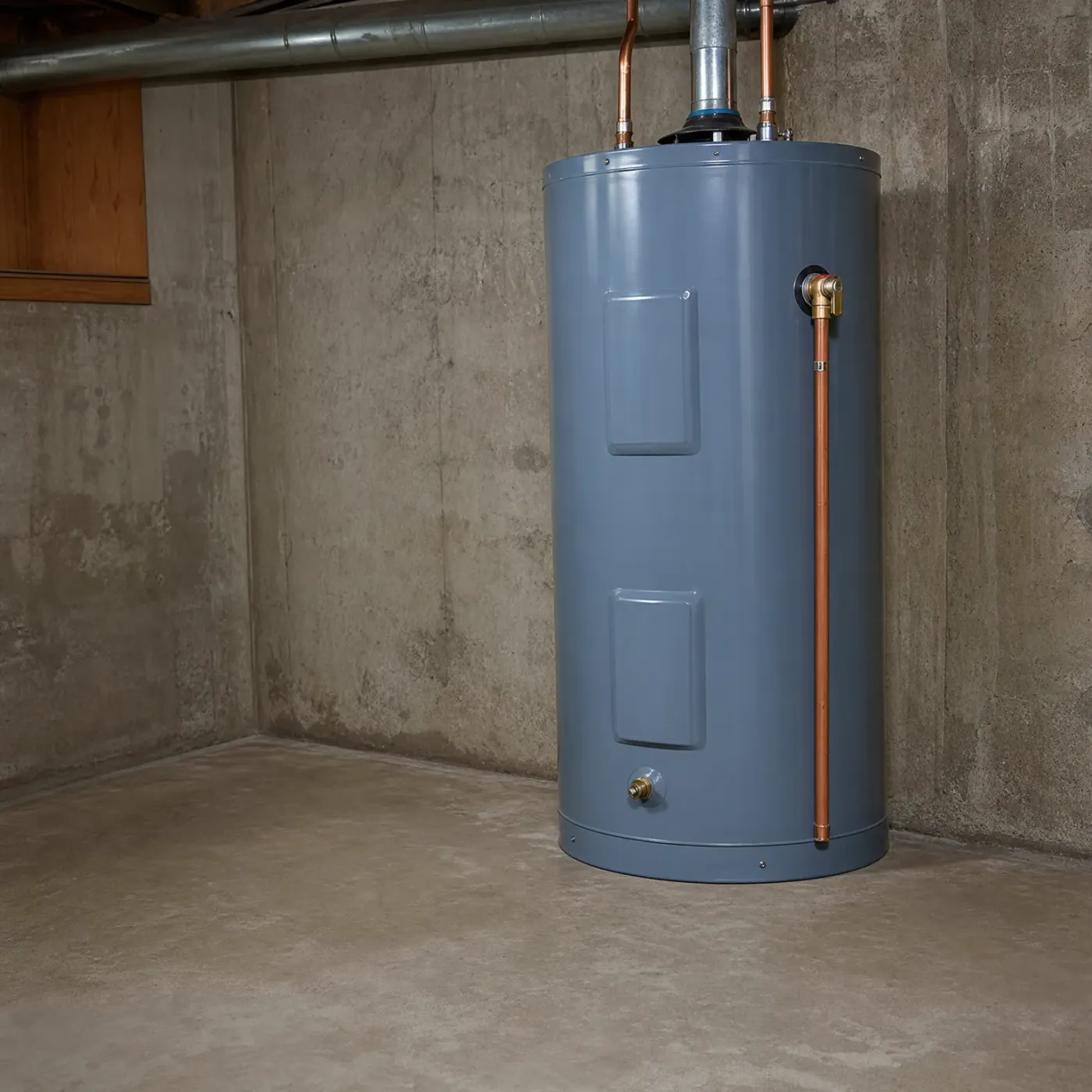
Tank vs. Tankless: Which Fits Your Home
Tank
- A tank keeps 40 to 50 gallons heated and ready, so two showers back to back won't run you cold if the tank is sized right.
- Electric tank units pull less current than tankless, so they work with standard household wiring without an electrical panel upgrade.
- If the tank fails, it usually gives some warning first, a puddle at the base or a popping sound as sediment builds on the element.
- Replacement is a same-day swap in most cases since the water line, power circuit and drain pan are already in place.
- Storage tanks lose some heat while the water sits, so the unit cycles on periodically to keep the tank at temperature even when no one is running water.
Tankless
- An electric tankless unit heats water only as it flows through, so it won't run out partway through a long shower or back-to-back loads.
- It needs a dedicated circuit sized for its heating elements, and many homes need the electrical panel checked or upgraded before one goes in.
- With no tank to lose heat, it only draws power while water is actually running.
- It takes up far less space than a tank, which matters if yours is tucked in a closet or crawlspace.
- Running two or three fixtures at once, like a shower and a dishwasher, can outpace what one unit delivers unless it's sized for your household.
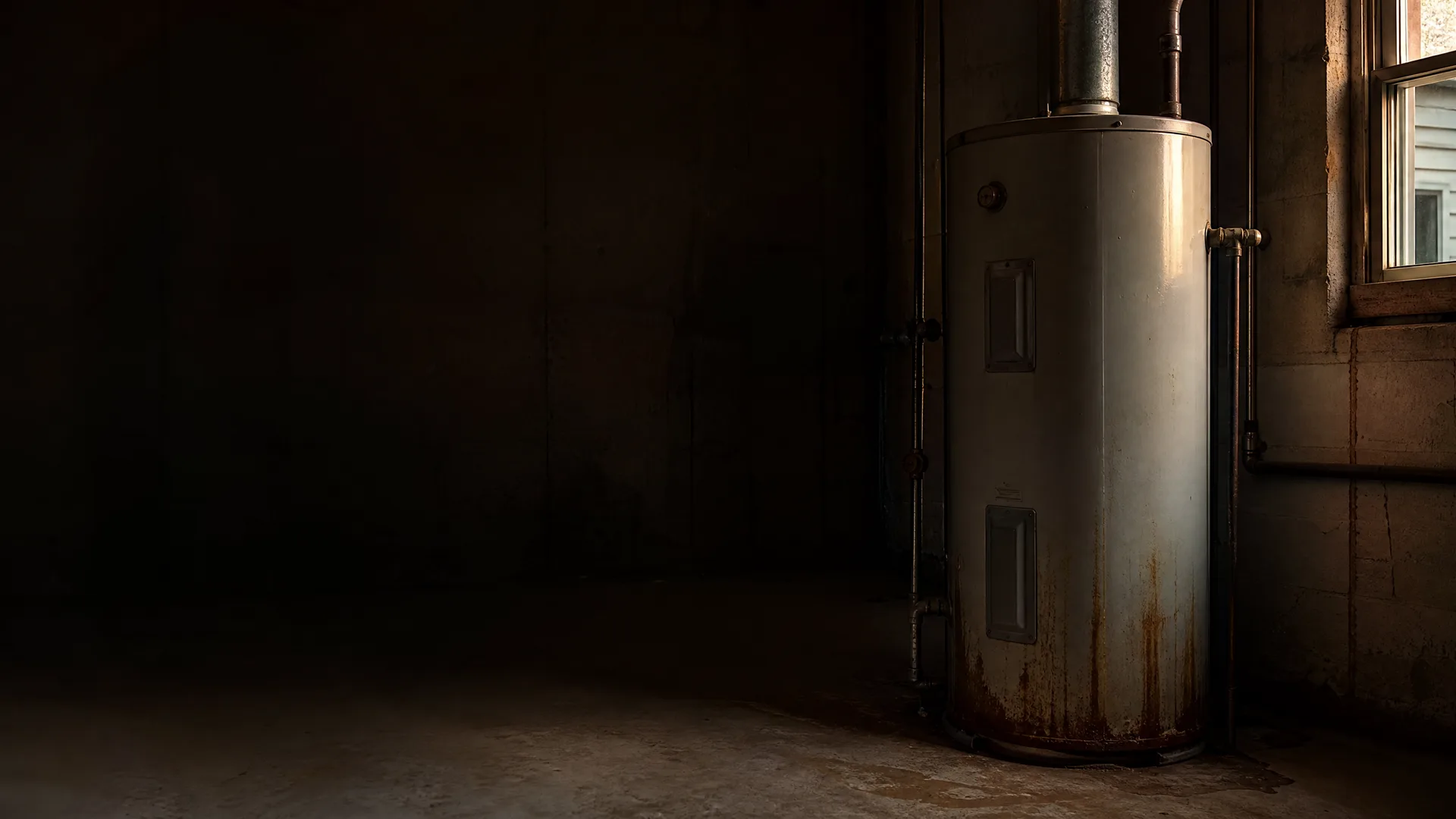
You go down to the utility room after dinner to grab something from the shelf, and you catch it this time: a thin rust stain running down the side of the tank, pooling faint and orange on the concrete. The light's dim but it's enough. You crouch and touch the floor near the base and it's dry tonight, just the stain left behind from some other night. The tank hums along like nothing's wrong. Outside it's a mild evening, the kind Washington gets most of the year, nothing pressing about the weather at all. You stand there a minute, working out how many more evenings you want to spend checking that same spot before you do something about it.
A pro who works on water heaters

Answer a few questions instead of calling shop after shop.
It costs nothing to send, and you don't have to hire anyone.

How each one actually heats your water
A tank water heater keeps its whole volume hot around the clock. Two heating elements, one upper and one lower, cycle on and off to hold the water at your thermostat setting, so the tank is always spending some power just standing by. A tankless unit sits idle until you open a hot tap. Flow sensors detect the draw, and the heating elements fire only long enough to bring that water up to temperature as it passes through. Nothing is stored and nothing is kept hot between uses.
That difference is why sizing a tankless unit means looking at your electrical panel, not just your household size. The elements that heat water on demand pull a lot of current in a short burst, and your panel has to be able to support that load. Whether it can is specific to your house, your panel's capacity, and what else is already wired into it. A contractor who looks at your actual setup can tell you which option your wiring supports and size the installation to it, rather than you guessing from a chart.


Cold water enters the tank or the tankless unit first.
A tank heater brings the whole tank up to temperature before storage.
A tankless unit fires its burner or element only when a tap opens.
The thermostat holds a tank at its set temperature around the clock.
Why is your water heater acting up now
You notice the shower runs cooler than it used to, or the recovery takes longer when someone else runs the dishwasher at the same time. Maybe you've started timing laundry around showers so nobody gets caught in cold water. With a tank, that's a sign the unit is working harder to keep up with the household than it did when it was new. With a tankless unit, cooling off mid-shower usually means two fixtures are drawing hot water past what the unit can deliver at once. Left alone, either problem tends to get worse rather than better, and a tank nearing the end of its life is also a tank more likely to leak.




58.6% of homes statewide heat with electricity
Since most houses in this state run on electric heat already, a new electric water heater, tank or tankless, works with the wiring and service most homes already have. If your panel is on the older side, a contractor can check it before install so the tankless option is actually on the table for you.
ACS 2020-2024 5-year B25040
Tank or Tankless, Either Way Works
- A tank fits most households fine if your current unit keeps up and the wiring already supports it.
- A tankless unit makes sense if you run out of hot water often or your panel can handle the extra draw.
- Electric service is already common in Washington homes, so either type generally works with existing wiring.
- Tank units cost less upfront and are simpler to install if your panel isn't rated for tankless.
- Tankless units take up less space and supply hot water continuously, but may need a panel check first.
- The right choice depends on your household's hot water use and what a contractor finds when they look at your setup.
There's no wrong answer here. A tank water heater has done the job in Washington homes for decades, and it'll keep doing it if your household's hot water use hasn't outgrown it and your wiring already supports it. A tankless unit earns its keep when someone's always waiting for the shower to heat up again, or when floor space in the utility room matters more than upfront cost. Both run on electricity without issue, since that's already how most homes here heat water, so you're not fighting your panel just to pick one over the other. What decides it is narrower than people expect: how many people are showering back to back, how much laundry and dishes overlap with that, and whether your electrical service has the capacity a tankless unit asks for. A contractor looking at your actual setup will know in a few minutes whether your panel clears that bar or needs an upgrade first. If it doesn't, a tank install is the simpler path and there's nothing wrong with taking it. If it does, a tankless unit gives you a smaller footprint and water that doesn't run out partway through a long day of guests or laundry. Either way, the equipment itself isn't the hard part. Getting a straight answer about your specific panel, your specific household, and what it'll take to install one or the other is what actually matters here.


Water Heater Installation
Get your water heater to the right pro
Describe your water heater job once, to one pro.