How often to flush a water heater in Washington

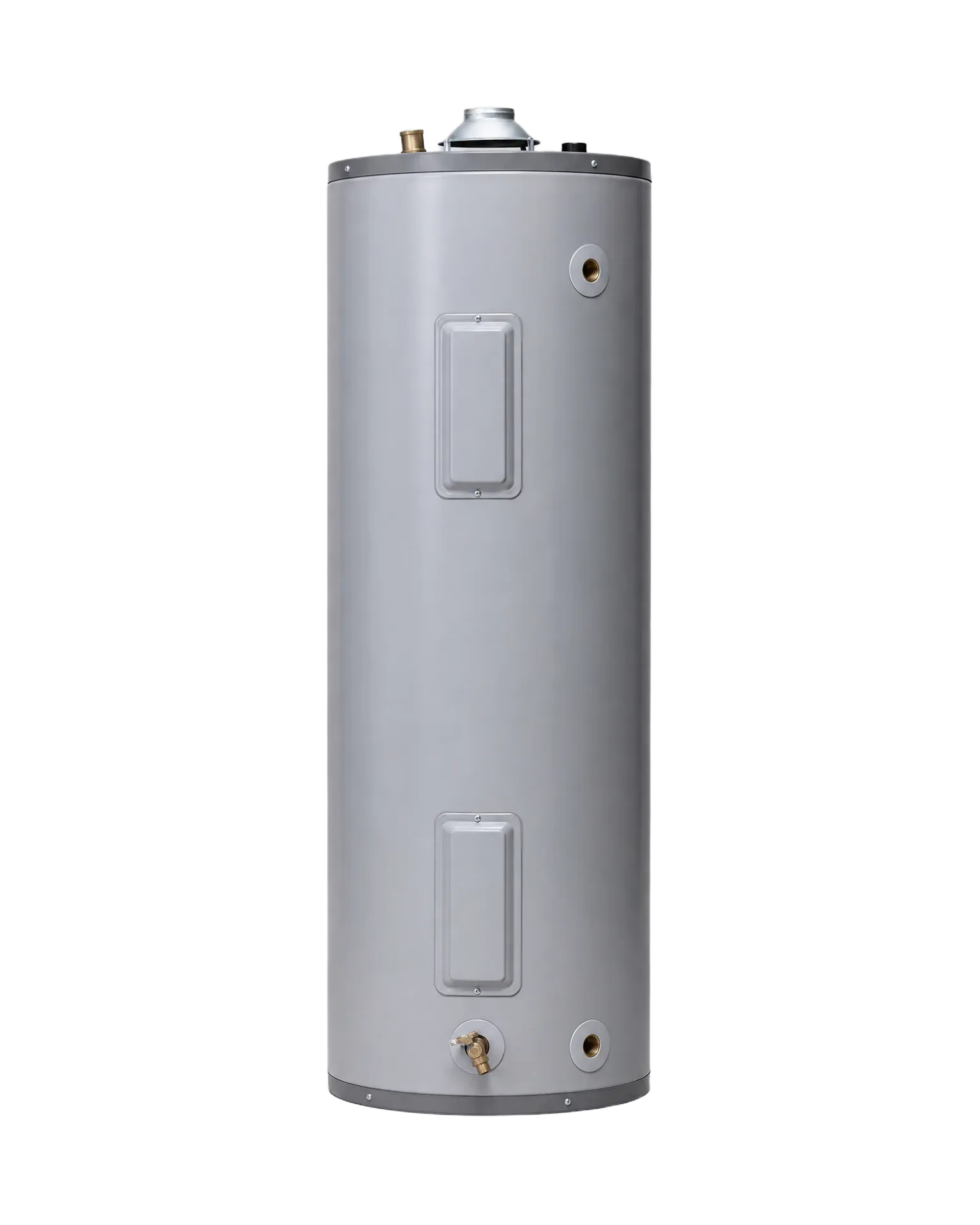
A tall cylindrical gray water heater with two access panels, brass fittings and a drain valve, standing against a plain light gray background.
Let a pro reach out

Flush your water heater once a year. That holds true wherever you live in Washington, whether the tank is gas or electric. Sediment settles to the bottom of the tank over time, and a year is usually long enough for a layer to build up that starts getting in the way. Once it does, the burner or the lower heating element has to work through that layer to heat the water above it, which means more time running to get the same hot water. Left alone, it also lets a tank fail earlier than it should, and once sediment hardens enough, flushing it out gets harder to do at all. Washington's water varies by utility, so some homes build up sediment faster than others, but once a year is the safe default no matter what's coming out of your tap. If a flush has never been done on your tank, or you can't remember the last one, that's reason enough to get it looked at now.

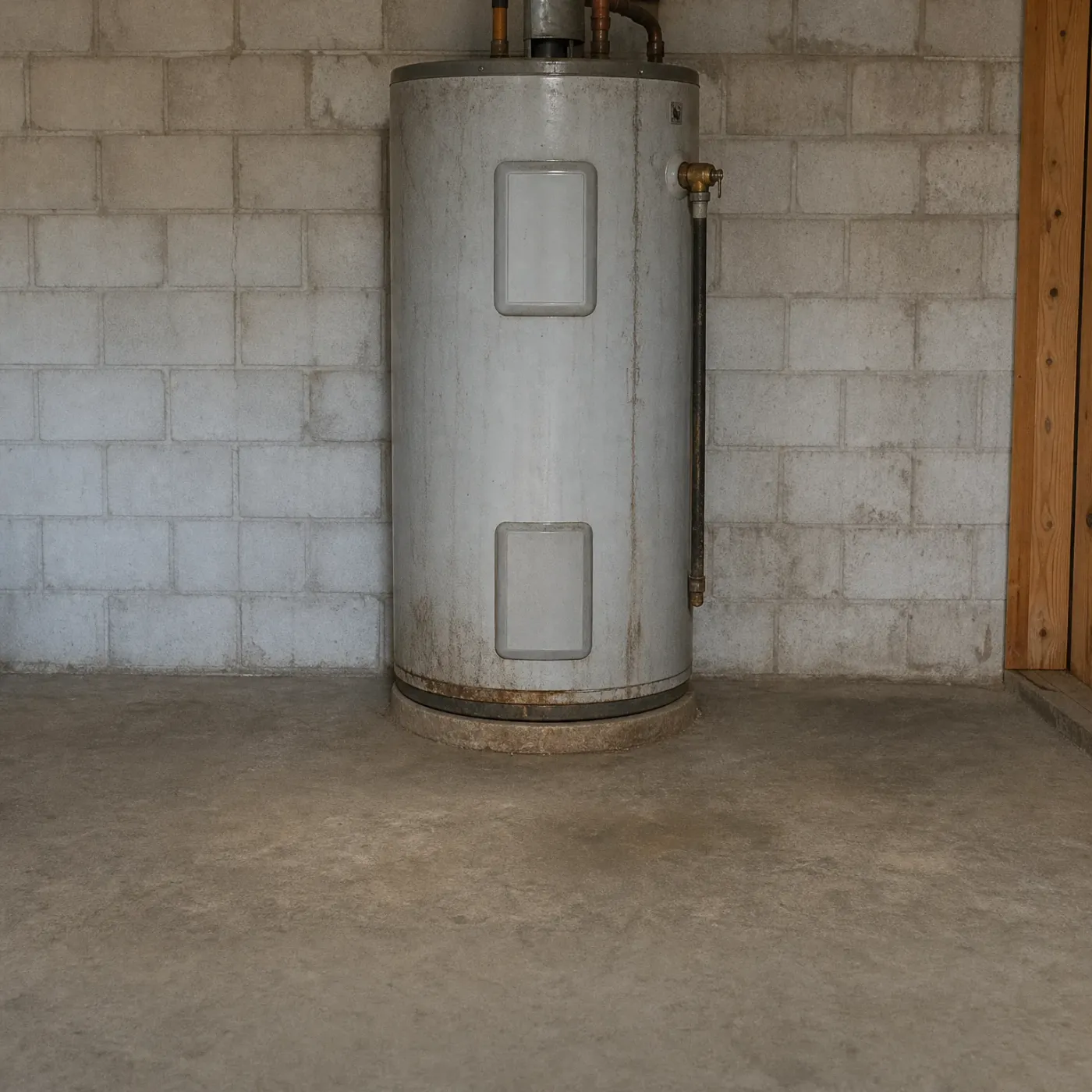
A cylindrical water heater with two access panels and copper pipes stands on a concrete floor against a painted concrete block wall.
Before you get your water heater maintenance
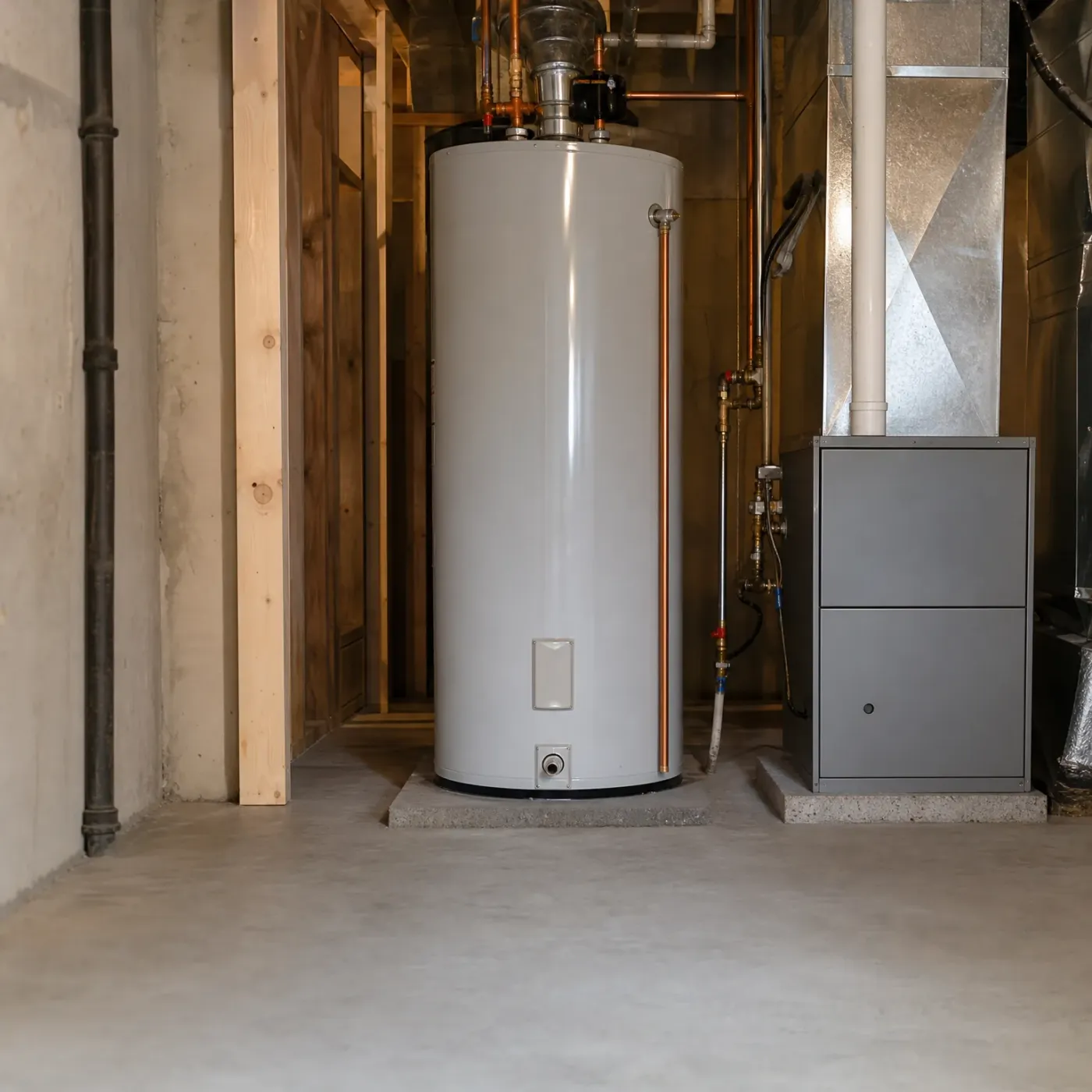
A white cylindrical water heater on a concrete pad in a basement, with copper and metal piping above it and a gray furnace cabinet with ductwork to the right.
After you get your water heater maintenance

What sediment does to the tank

Washington's water runs harder in some areas than others, but almost every tank collects sediment at the bottom. That layer sits between the burner or heating element and the water above it, so the tank has to work through it to heat what's on top. Left alone, it hardens and takes up space the tank needs for hot water. On a gas tank, it can also start to rumble or pop as water gets trapped underneath and boils against the hot metal. A yearly flush clears it out before it packs down.


Electric tanks wear differently

Most homes in Washington heat water with electricity, and an electric tank doesn't have a burner at the bottom, it has an element sitting down in the sediment itself. When that layer builds up around the element, the element has to run longer to get the same water hot, and it runs hotter doing it. Over months that shortens the life of the element. A flush keeps the sediment off the element so it heats the way it did when the tank was new, rather than straining through a year's buildup.

58.6% of homes statewide heat with electricity

If your water heater runs on electricity, you're in the majority here. Most homes in Washington heat water the same way. An electric element sits down in the tank, right where sediment collects, so that yearly flush matters as much as it does for a gas unit.

ACS 2020-2024 5-year B25040

Skip the flush for a few years and that sediment layer turns into a crust on the bottom of the tank. The electric element has to push its heat through it to reach the water above.

That crust is what burns elements out early and leaves you with a tank that runs hot water short and loud, long before it should.

A man in a gray sweater reclines in a brown leather armchair with his eyes closed, beside a wooden side table holding a mug, a folded newspaper and a potted plant, with a bookshelf and sunlit window behind him.
A man with greying hair and a dark sweater leans back on an armchair with his eyes closed and a slight smile, in a living room with a bookshelf, plant, folded newspaper and mug on a wooden table.
A man in a gray fleece jacket sits reclined in a leather chair with his eyes closed, in a room with bookshelves, a table lamp, a window, and a desk holding a folded newspaper and a dark mug.
A bearded man in a gray fleece pullover sits with eyes closed in a brown leather armchair in a living room, with a floor lamp, bookshelf, potted plants, a side table holding newspapers and a dark mug, and a bright window behind him.

Send one request and you're done looking

That electric element down in your tank doesn't care that power here is cheap. It still has to push heat through whatever sediment has built up, and once a year has passed, there's usually enough sitting on the bottom to make it work harder than it should. Waiting doesn't cost much on your power bill, not with Washington rates the way they are, but it costs the element, and a burned-out element is a repair instead of a flush. You don't need to figure out which contractor near you handles tank maintenance or wait on hold to find one with an opening. Send the request and a licensed local contractor who works on water heaters all year, in homes with the same electric tanks as yours, gets it. One contractor, not five calling back at once. That's one less thing on your list, and the tank gets looked after before sediment turns into a bigger job.

One flush a year, done

  • Once a year keeps sediment from building up into a crust on an electric element.
  • Gas and electric tanks both need the same yearly flush in Washington.
  • A flush takes the burner or element back to heating clean water instead of pushing through buildup.
  • Waiting a few years past that mark usually means a shorter life for the tank.
  • A local contractor who flushes tanks all season knows what buildup looks like in your area.
  • Scheduling now means the tank is clear before the next year's worth of sediment starts settling.

A water heater in Washington needs the same thing every year regardless of what fuel it runs on: a flush that clears out the sediment sitting on the bottom of the tank. Gas tanks and electric tanks both collect it, and both need it gone on the same yearly schedule. For an electric tank, that layer sits right where the heating element lives, so skipping a year means the element is pushing heat through buildup instead of water. Keep up the yearly flush and the element keeps doing the job it was built for. Let it go a few years and that sediment hardens into a crust that wears the element down early, which usually means a shorter life for the tank than it should have had. A contractor who handles this kind of maintenance all season in Washington has seen what that buildup looks like in tanks like yours, and knows what to check once the sediment is cleared. Getting it scheduled now means the tank starts the next year clean, instead of carrying over sediment that's already partway to a crust. It's a small piece of upkeep, but it's the one that decides whether the tank runs the way it should or starts falling behind on heat it used to produce without any trouble.

A gray-haired man in a blue quarter-zip sweater sits in an armchair with his eyes closed, beside a large window with bare trees outside and a potted plant and lamp nearby.
A woman in a cream knit sweater sits in an armchair with her eyes closed and head tilted back, beside a window showing orange autumn foliage and a wooden side table with a mug.

Water Heater Maintenance

Finding a pro stops being your job

The pro who reaches out is licensed in Washington.

A black smartphone standing upright against a plain light gray background, its screen filled with solid green.
Step 1 of 3: Equipment