Working the way it should
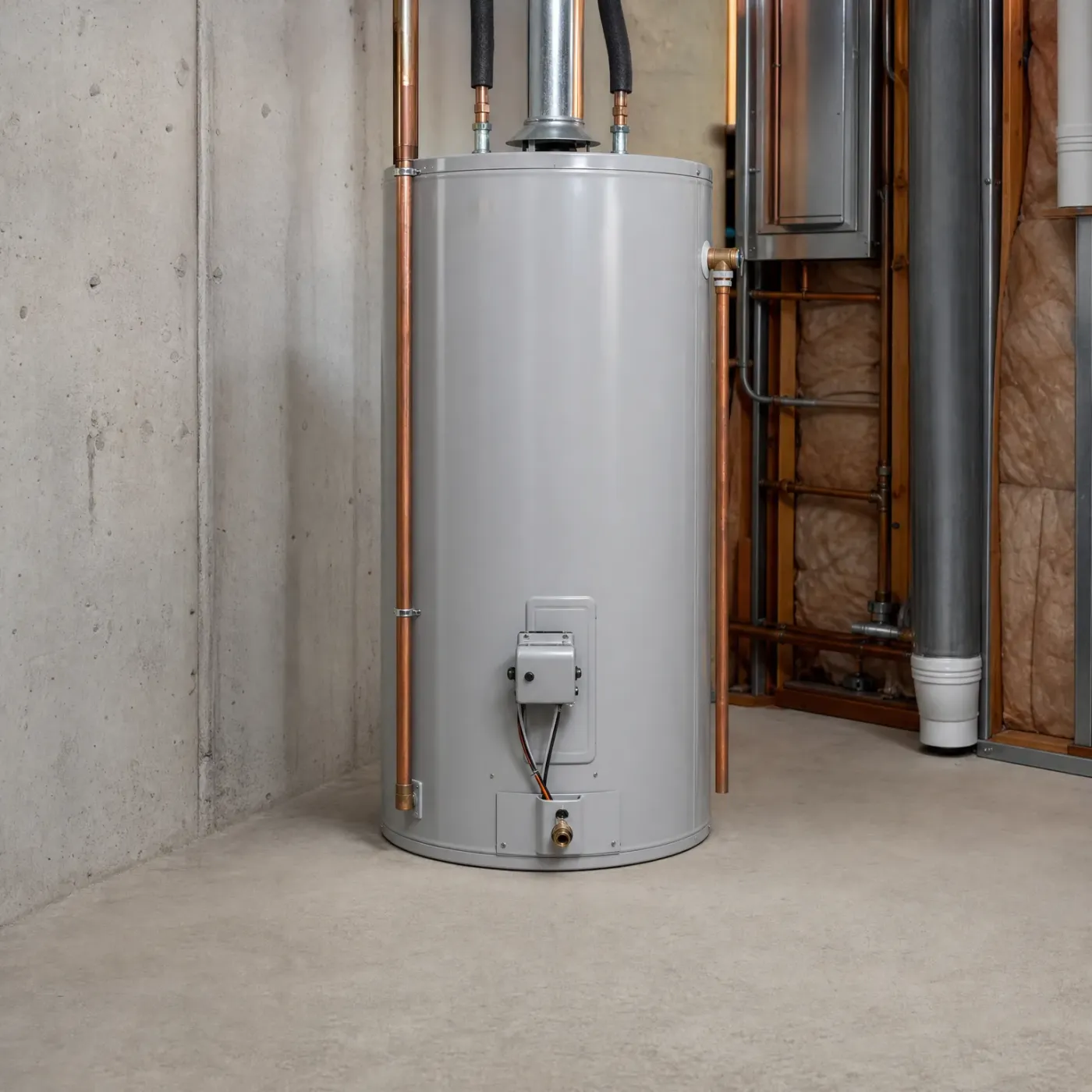
Copper lines run clean to the fittings, the gas line sits tight, and the flue draws straight up. No rust where the jacket meets the floor. Water comes out hot and steady, and the tank stays quiet while it works.

A water heater in Washington lasts 8 to 12 years, with tank units on the shorter end and well-maintained ones stretching longer. Most homes here run on electric water heaters, and an electric tank heats cleaner than a gas one, which means less wear on the parts inside and often a longer working life. The tank itself is usually what fails first. Years of heating and reheating the same water lets sediment build up at the bottom, and that sediment works the steel until it rusts through. Once a tank leaks, it is done. There is no patch for a cracked tank. If yours is nearing 10 years old, it is worth having someone look at it before it fails on its own schedule, since a water heater rarely gives much warning before it quits for good.
You've had the same electric water heater since you moved in, and you're starting to wonder what's actually limiting its life. It's not like a car engine with moving parts wearing down. You want to know what inside that tank is actually ticking toward failure, since nothing about it seems to be straining or working hard.
Inside the tank is a steel shell lined with glass, and a rod of magnesium or aluminum called the anode rod that corrodes on purpose so the tank doesn't. Electric water heaters here in Washington don't deal with the mineral buildup gas tanks get from the burner cycling, but the anode rod still wears down year after year as it protects the steel. Once it's used up, the water starts eating into the tank wall itself. That's a slow process, which is why electric units can run 8 to 12 years instead of failing early. A new anode rod before it's fully spent can add years, but once rust shows at the base, the tank itself is already going.
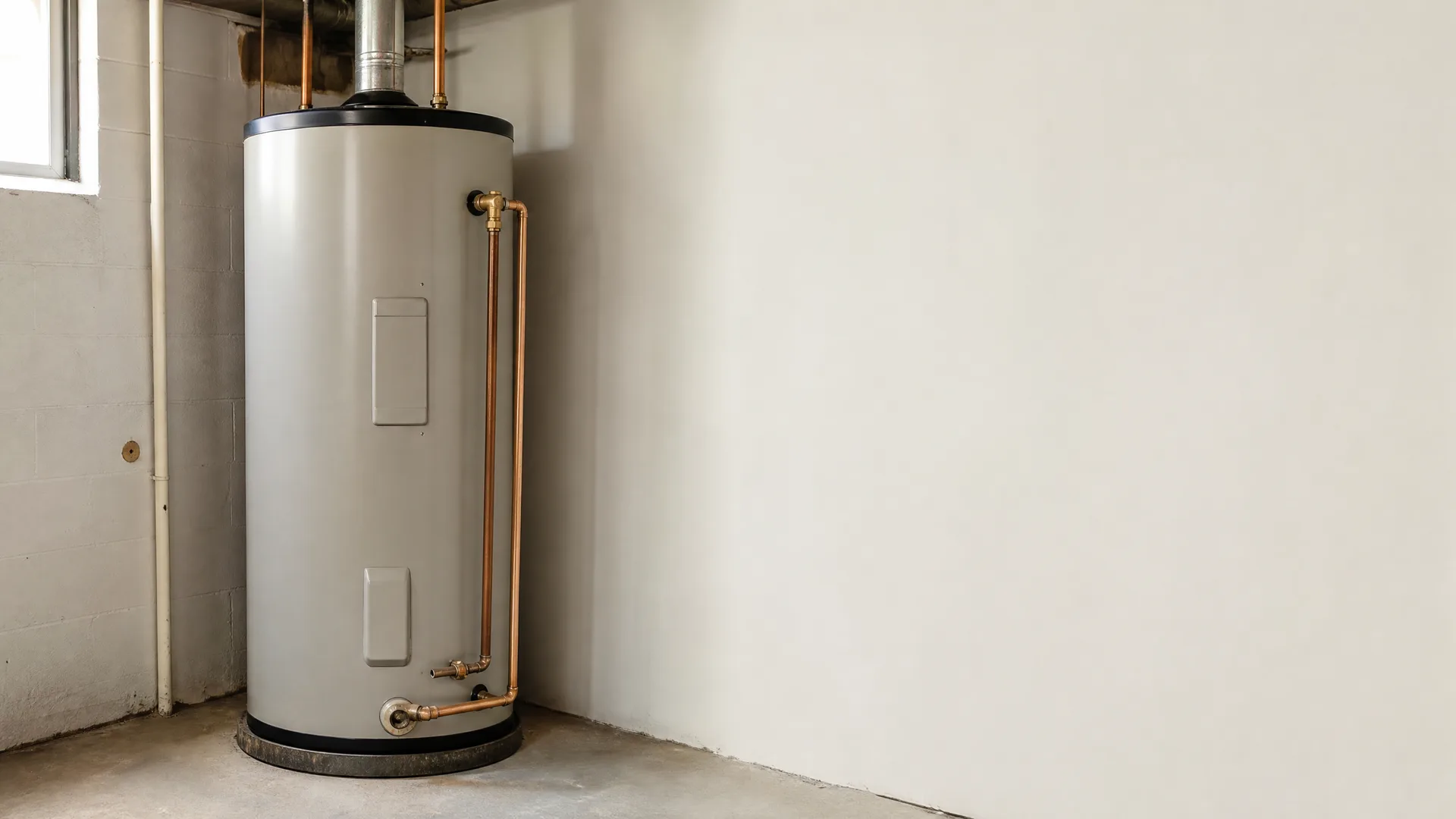
The lower heating element sits down in the tank, and sediment settles right around it. Once that layer builds up, the element has to push heat through grit instead of water, so it cycles on longer and runs hotter than it should. Over years, that extra heat stresses the metal near the element and the tank starts to go from the inside. A heater left alone for a decade usually has a thicker layer than one that's been drained once in a while.
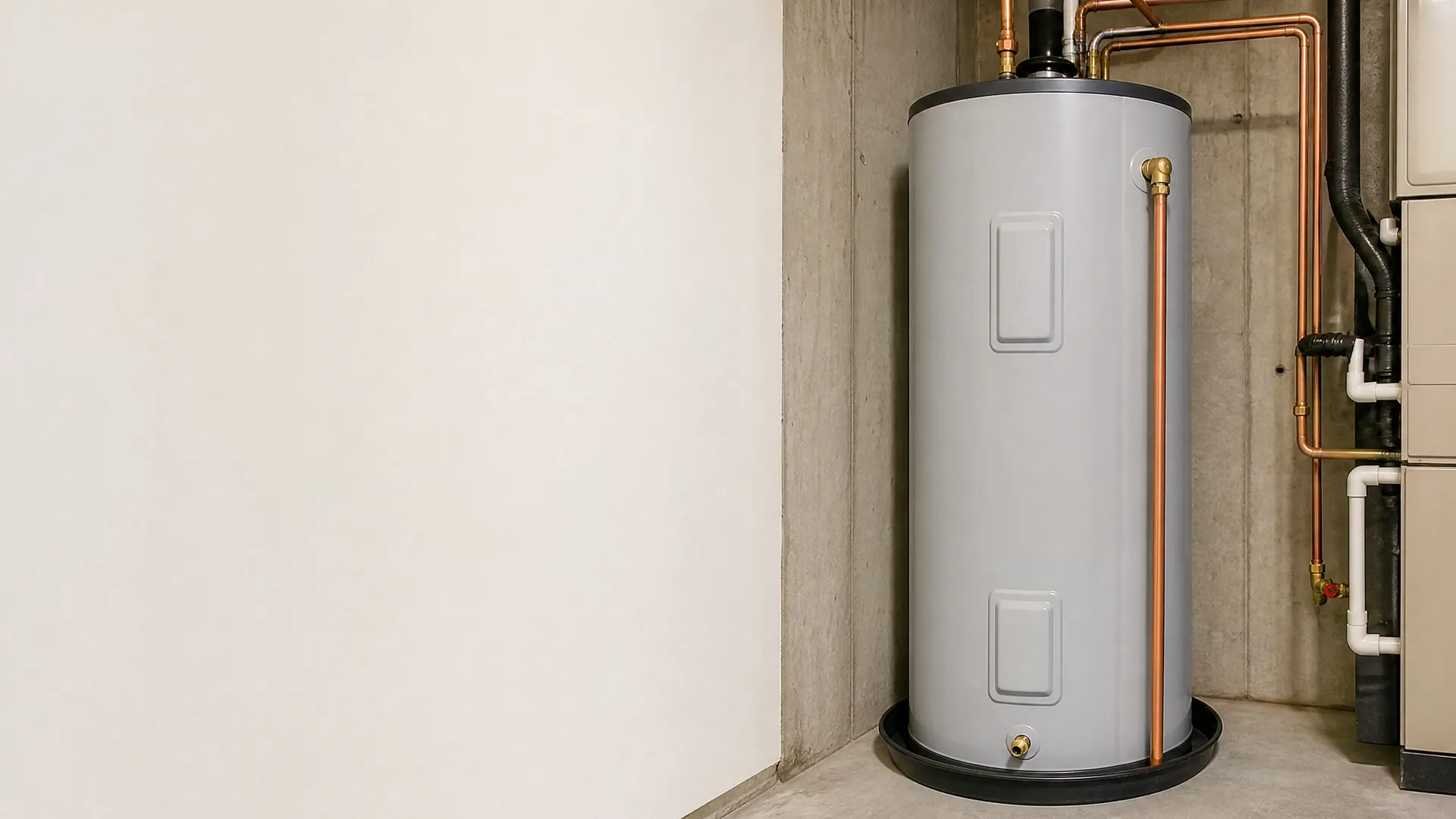
Inside every tank there's a rod made of a softer metal than the tank itself. Its whole purpose is to corrode first, so the steel around it doesn't have to. Once that rod is used up, the water starts working on the tank directly, and that's usually when a unit moves from the 12 year end toward the 8 year end instead. Checking the rod isn't something most homeowners do on their own, but it's one of the few parts that decides which end of that range you land on.
Chances are your water heater runs on electricity, same as most homes in this state. That's good news for the tank itself. Electric elements heat water directly with no flame or flue, so there's nothing to scorch the tank from inside and no combustion byproducts working against the steel.
ACS 2020-2024 5-year B25040
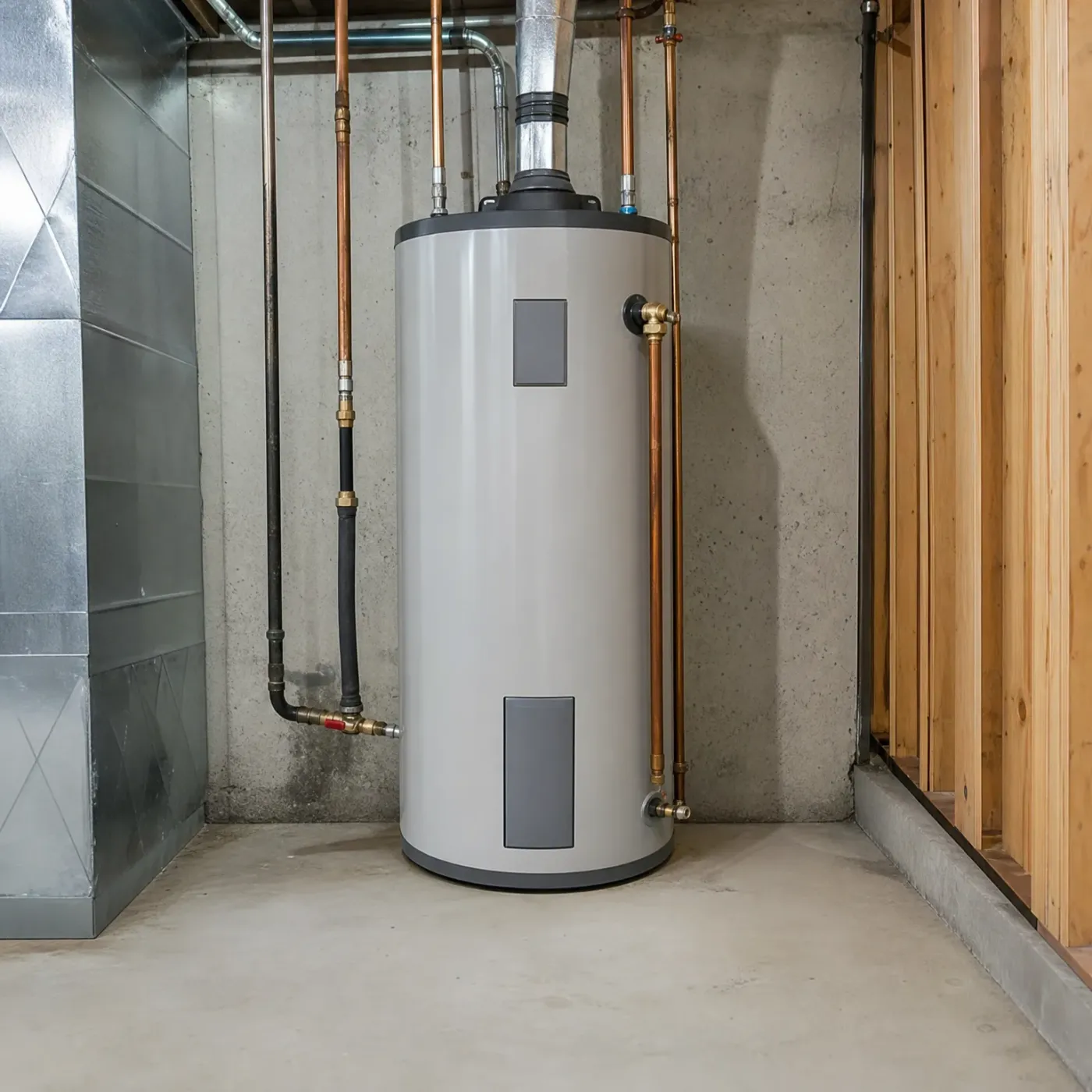
Copper lines run clean to the fittings, the gas line sits tight, and the flue draws straight up. No rust where the jacket meets the floor. Water comes out hot and steady, and the tank stays quiet while it works.
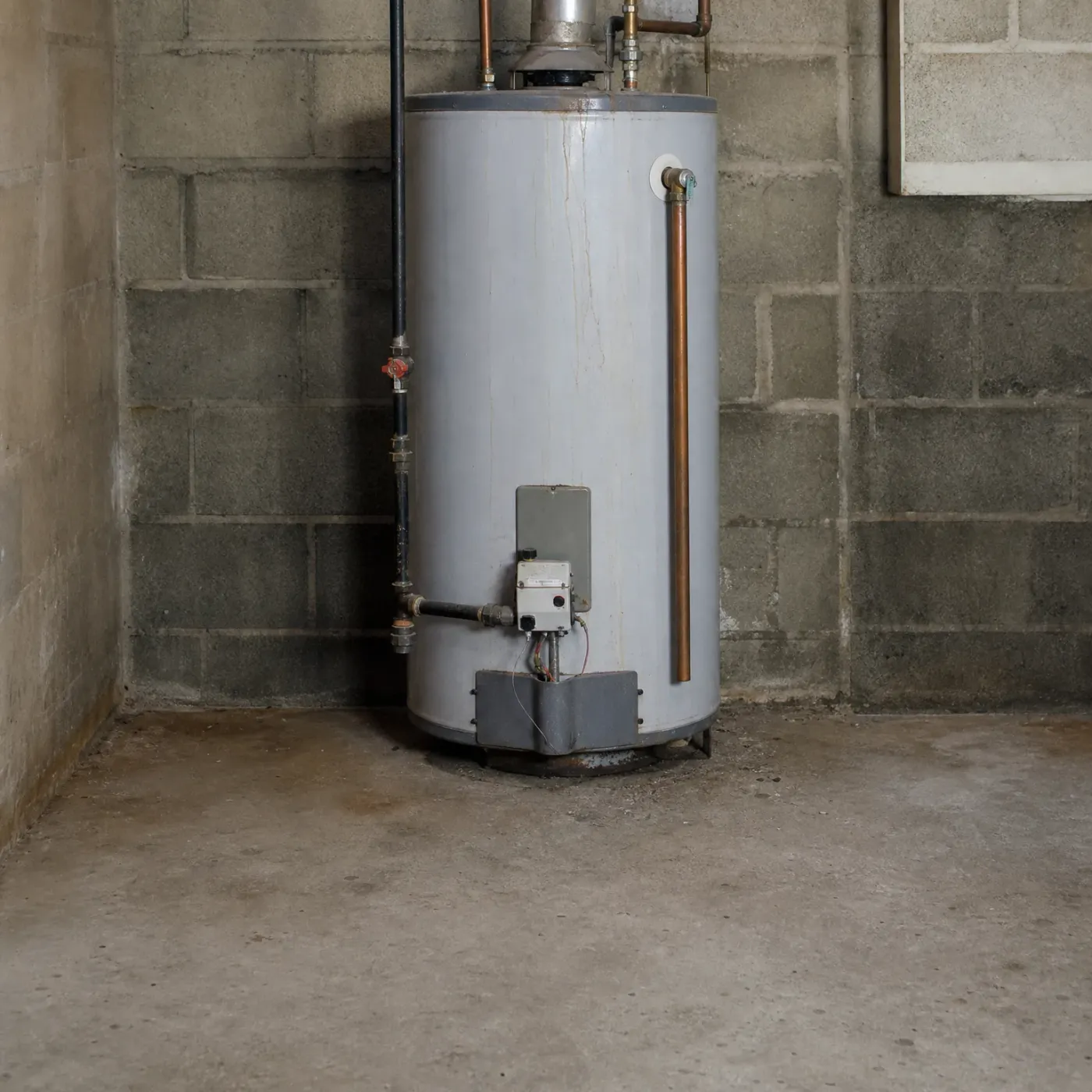
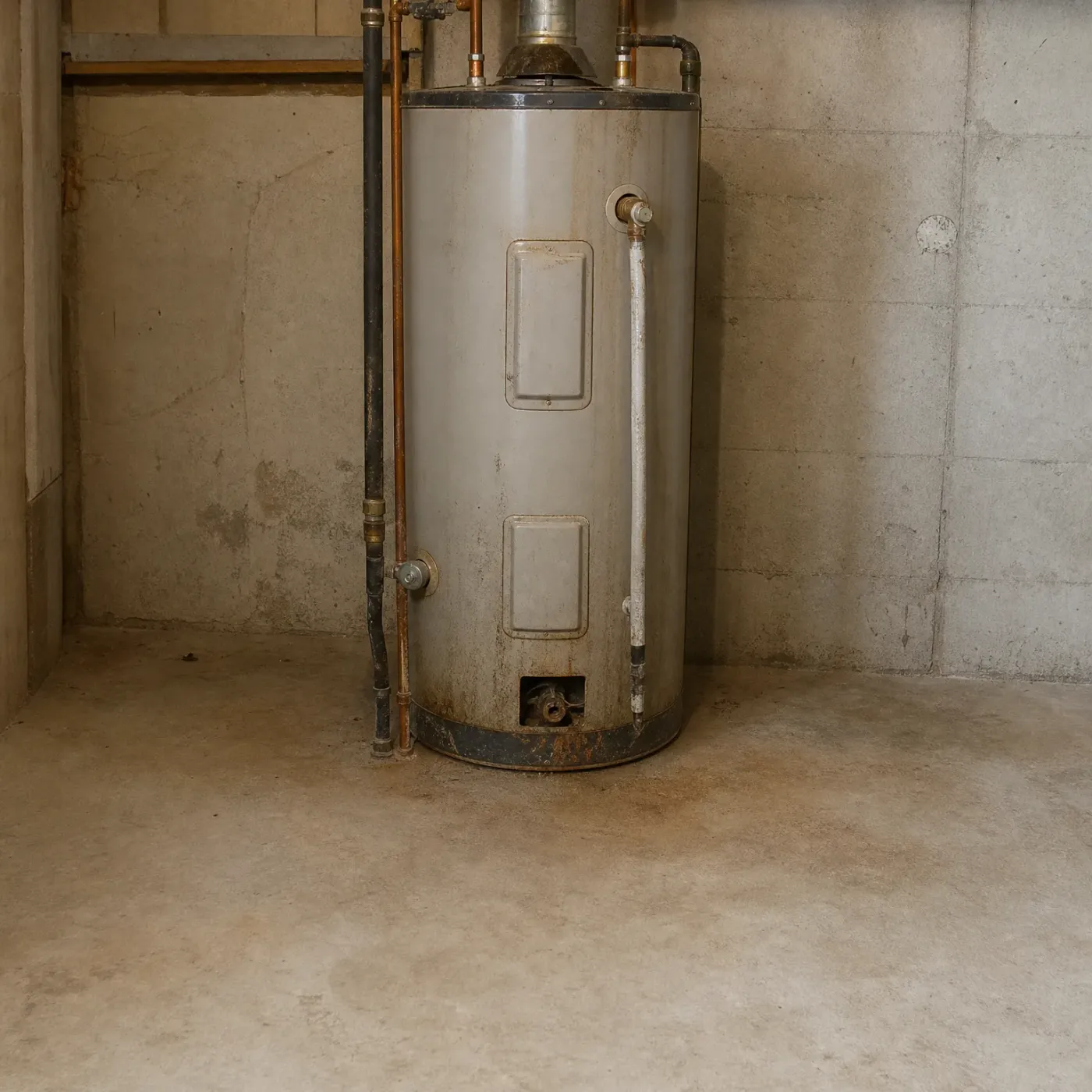
Iron pipe and copper fittings show the same strain the tank is under. Rust creeping around the gas valve or the base means the steel is corroding from the inside out. Once that starts, a water heater doesn't repair itself back to new.


A 12 year old electric water heater isn't a reason to wait for it to fail outright. Sediment builds slowly, and by the time you notice lukewarm water or a popping sound from the tank, the lower element has likely been fighting through grit for a while. Replacing it on your schedule, before a leak shows up on the floor, means you pick the day instead of the tank picking it for you. Washington's cheap power keeps an electric tank running efficiently for years, but that same long life makes it easy to lose track of how old yours actually is. If it came with the house, or you can't remember installing it, that's worth checking now. Finding a contractor to size and install the right replacement is one more thing on a list that's probably already full. Hand this one off and let someone who does this daily take it from here.
An electric water heater in Washington has a lot going for it. Cheap power means the elements aren't straining to keep up, and electric heat doesn't leave the scorching a gas flame does. That buys most tanks the full 8 to 12 years, sometimes more if the water here isn't especially hard. But the tank still has one job it can't avoid, and that's holding water against steel until the steel gives out. Sediment is what speeds that up. It settles around the lower element, the element pushes harder to heat through it, and the metal underneath takes more heat than it was built for. You won't see this happening. What you'll see, eventually, is rust creeping down from the fittings or along the base, and that's not a surface problem. That's the tank wearing through from the inside, and once it starts, there's no stopping it. A tank that's quiet, holds steady hot water, and shows no rust is doing exactly what it should, and there's no reason to touch it. One that's past 10 years and showing any of those signs is a different story. The failure at the end isn't a slow decline you can watch coming. It's usually a tank that held fine for years and then didn't, and the first sign is water on the floor.




An electric water heater in Washington is good for 8 to 12 years, and cheap power here means the tank runs without the strain gas units face elsewhere. What ends its life is sediment around the lower element, not the electricity itself. Rust at the base or a tank past 12 years is worth having looked at before it fails and floods the space around it. Send the form and you'll be matched with a contractor who installs water heaters in your area, and they'll reach out to you directly.
After you send the request, you're done searching.
You're not committing to anything by asking.